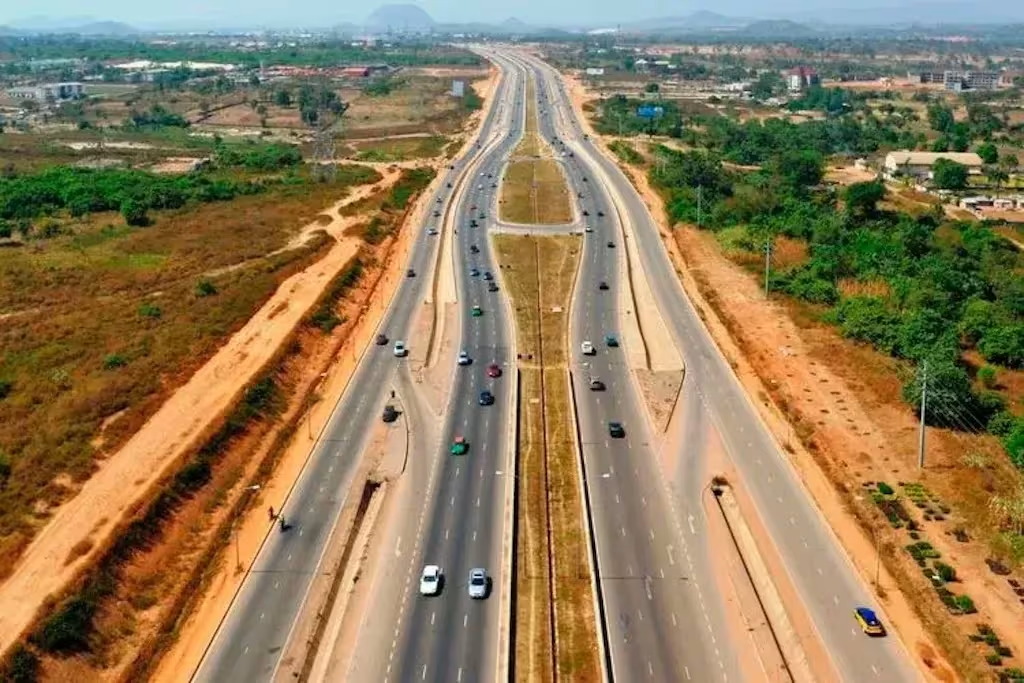

The Federal Ministry of Works has announced a ban on commercial motorcycles and tricycles operating along the Lagos-Calabar Coastal Highway as part of efforts to safeguard the newly constructed road from misuse and early damage.
The Federal Controller of Works in Lagos State, Olufemi Dare, made the announcement on Sunday, noting that enforcement of the restriction would begin this week.
According to Dare, the move is aimed at preserving the quality and durability of the superhighway to ensure its long-term functionality.
He also warned that indiscriminate parking of trucks and other articulated vehicles would no longer be allowed on the coastal highway and bridges across Lagos.
In addition, the ministry banned the indiscriminate disposal of waste along highway corridors, describing the act as harmful to public infrastructure and unacceptable.
Dare stated that anyone found violating the new directives would face strict sanctions as authorities step up efforts to maintain order and ensure proper use of the facility.
He revealed that warning signs outlining the restrictions had already been placed along the highway, while task force personnel would be deployed to key locations to enforce compliance.
Describing the Lagos-Calabar Coastal Highway as a world-class infrastructure project, the Federal Controller emphasized the importance of protecting and maintaining the road network.
He appealed to motorists and all road users to adhere to the regulations in the interest of safety and infrastructure preservation.
According to him, proper maintenance of the highway would prolong its lifespan and ensure Nigerians continue to benefit fully from the project.
Why FG Banned Okada, Keke on Lagos-Calabar Coastal Highway
The Lagos-Calabar Coastal Highway is one of the Federal Government’s flagship infrastructure projects, designed to connect major coastal states and boost trade, tourism and economic activities across southern Nigeria.
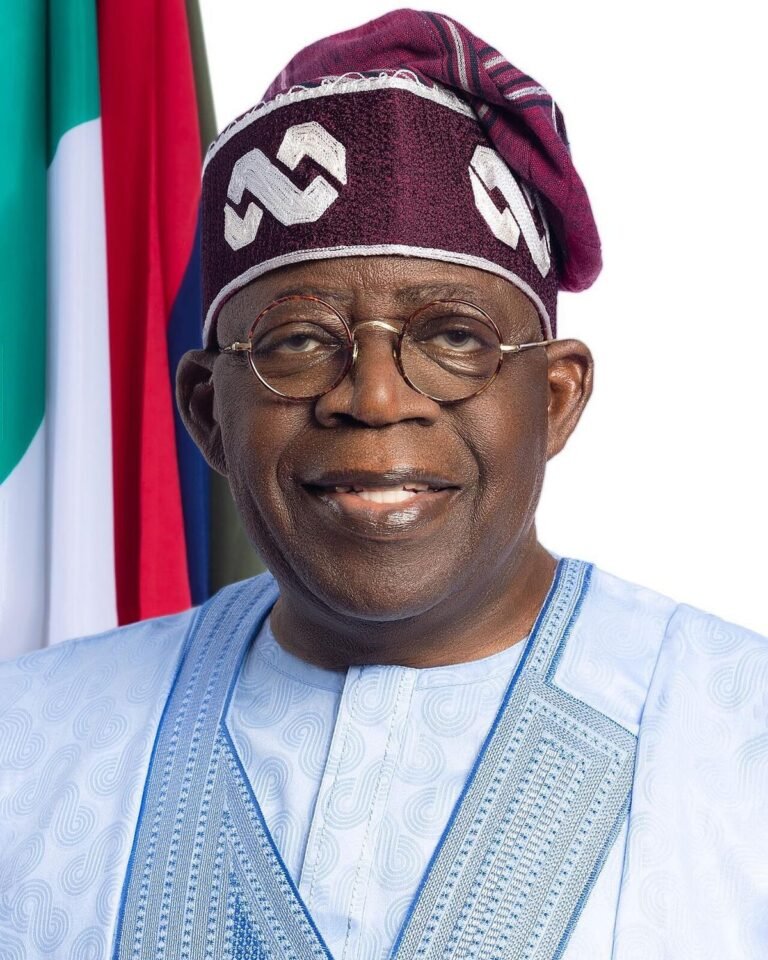
The highway project, championed under the administration of President Bola Ahmed Tinubu, has attracted both praise and controversy since construction began, with supporters hailing it as a transformative project while critics raised concerns over cost, environmental impact and displacement of affected communities.
As sections of the highway near completion, the government has intensified measures to protect the infrastructure from misuse, citing experiences on other major roads where commercial motorcycles, tricycles, indiscriminate parking and waste dumping have contributed to traffic disruption and road deterioration.
The latest restriction aligns with similar traffic and safety policies in cities like Lagos, where commercial motorcycles and tricycles have faced limitations on highways and bridges due to safety concerns and infrastructure preservation.
ALSO READ: Abia State Govt Calls for Cooperation as Okada Ban Enforcement Begins

Chinenye Ubunama
Chinenye Ubunama is a content writer and storyteller with a background in Biological Science. She specializes in crafting engaging, well-structured, and SEO-optimized content that simplifies complex ideas for everyday readers. With a focus on audience-centered writing, she consistently delivers value-driven content that informs, connects, and drives visibility across digital platforms.