
The Chief Executive Officer of Pinterest, Bill Ready, has ignited global debate after calling for a complete ban on social media use for individuals under the age of 16. His position, shared publicly in recent days, places him at odds with many leaders in the technology sector and signals a growing shift in how digital platforms are approaching child safety, according to Reuters.
Ready’s argument is direct and uncompromising. He believes the digital space has reached a point where voluntary safeguards are no longer enough to protect young users. According to him, governments must step in to establish clear, enforceable rules that prevent children from accessing social media platforms altogether until they are at least 16 years old.
This call is coming at a time when global scrutiny of tech companies is intensifying. Courts, regulators and lawmakers are increasingly questioning the long-term effects of social media on young people, particularly around mental health, exposure to harmful content and addictive design features.
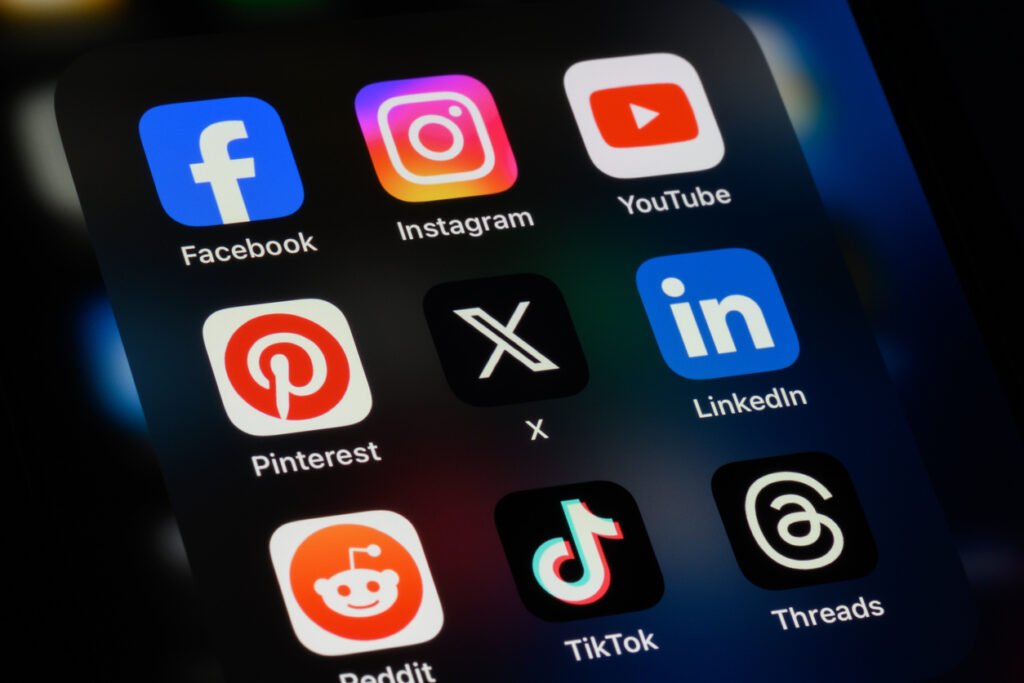
A Growing Global Concern Over Youth Mental Health
The push for stricter controls did not emerge in isolation. It is closely tied to ongoing legal and societal concerns about the psychological impact of digital platforms on teenagers. In the United States, major tech firms, including Google and Meta, are currently facing legal challenges over allegations that their platforms contribute to a youth mental health crisis.
Ready has gone further to describe social media as one of the largest unregulated experiments on young minds. In his view, the risks are no longer hypothetical. He argues that excessive exposure to curated content, online validation systems and algorithm-driven feeds can shape behaviour in ways that are difficult to reverse.
This perspective reflects a broader global trend. Countries, advocacy groups and educators are increasingly linking prolonged social media use among teenagers to anxiety, depression and reduced attention spans. While not all experts agree on the scale of the impact, there is a growing consensus that stronger safeguards are needed.
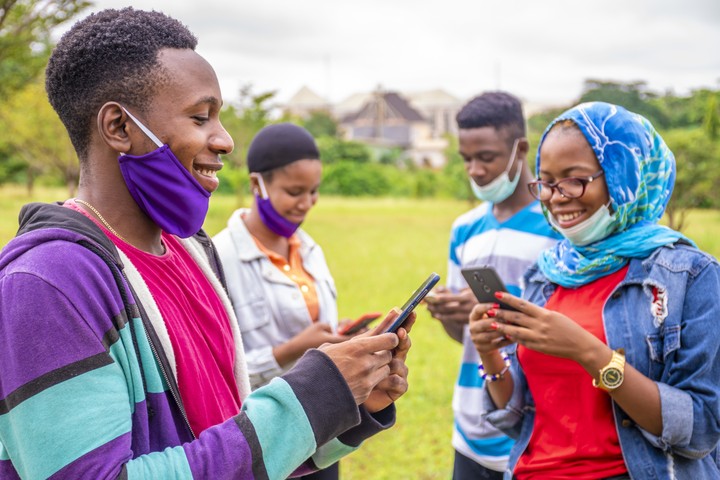
Australia’s Ban Becomes a Model for the World
One of the key examples cited in this debate is Australia, which recently became the first country to implement a nationwide ban on social media access for users under 16. The law requires major platforms such as TikTok, Snapchat and others to block underage users or face significant financial penalties.
Interestingly, Pinterest itself was not included in the ban. Regulators argued that the platform functions more as a content discovery and inspiration tool rather than a traditional social network, although this classification remains under review.
Ready has pointed to Australia’s approach as a practical template for other nations. He believes that without clear legal backing, tech companies will continue to struggle with enforcement, especially since many young users bypass age restrictions by providing false information.
The Australian model also introduces a new level of accountability. Instead of relying solely on platforms, it places responsibility on app stores and digital ecosystems to verify user ages more effectively. This multi-layered approach is seen as a possible blueprint for future global regulation.

What This Means for Nigeria and the Future of Social Media
For countries like Nigeria, the conversation is still in its early stages, but the implications are significant. Nigeria has one of the fastest-growing youth populations in the world, with millions of teenagers actively using platforms for education, entertainment and business.
A complete ban on under-16 social media use would raise complex questions. On one hand, it could help address issues such as cyberbullying, online exploitation and digital addiction. On the other hand, it could limit access to valuable opportunities, especially in a country where social media has become a major tool for learning, entrepreneurship and global exposure.
There is also the challenge of enforcement. Unlike countries with advanced digital identity systems, implementing strict age verification in Nigeria may prove difficult without significant investment in infrastructure and policy coordination.
What is clear, however, is that the global conversation is shifting. Tech companies are no longer just being asked to innovate. They are being asked to take responsibility.
Even within Pinterest, efforts have already been made to improve teen safety through private accounts, restricted interactions and wellbeing prompts that encourage users to limit screen time. These measures suggest that the industry recognises the problem, even if there is no universal agreement on the solution.
As the debate continues, one question remains at the centre of it all. Should access to social media be considered a right for young people, or a privilege that must be carefully regulated?
The answer may shape the future of the internet for an entire generation.
Join Our Social Media Channels:
WhatsApp: NaijaEyes
Facebook: NaijaEyes
Twitter: NaijaEyes
Instagram: NaijaEyes
TikTok: NaijaEyes