
Across many rural communities in Nigeria, education is still heavily affected by poor electricity supply, limited internet access and a shortage of digital learning tools. While urban schools increasingly rely on smart boards, online lessons and computer-based teaching, thousands of pupils in villages continue to learn in classrooms where power outages are normal, and technology is almost nonexistent.
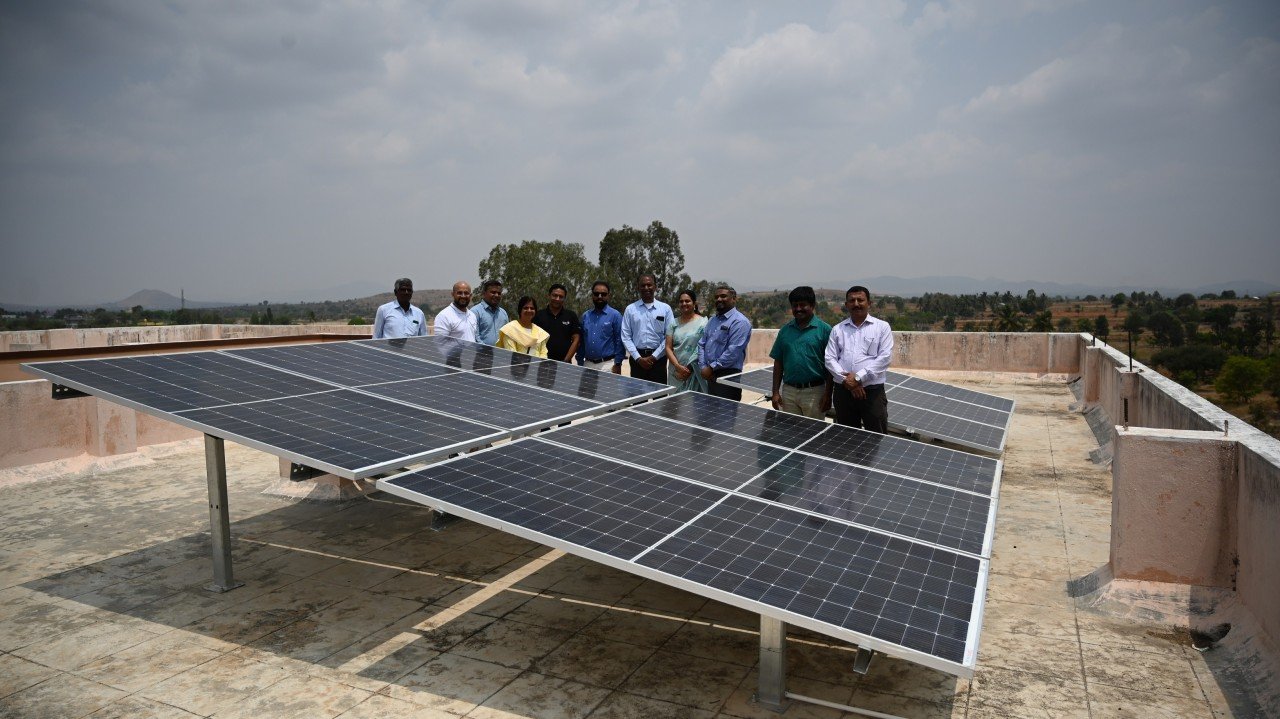
Education experts and development organisations are now pointing to solar-powered learning kits as one of the most practical ways to close this gap. These portable systems combine solar panels, rechargeable batteries, laptops or tablets, projectors and internet-enabled devices to create mini digital classrooms in areas that are off the national grid.
The idea is gaining attention because it solves two major problems at once. It provides reliable electricity and also introduces digital learning tools into underserved schools. For many rural communities, this could mean the difference between students being left behind and students gaining access to the same educational opportunities available in larger cities.
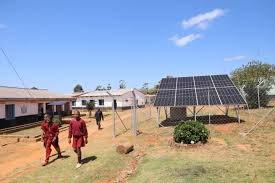
In parts of sub-Saharan Africa, studies have shown that lack of electricity remains one of the biggest barriers to modern education. Children often cannot access online learning materials, teachers struggle to use digital teaching aids, and schools are unable to power even basic devices consistently. According to findings highlighted by global education organisations, internet access in low-income regions remains extremely limited for school-age children.
Solar-powered learning kits are designed specifically to work in such conditions. Unlike traditional computer laboratories that depend on constant grid electricity, these systems operate independently through solar energy. Most kits include solar panels mounted on rooftops or portable units, battery storage systems, LED lighting and devices such as tablets or laptops. Some also come with projectors and offline educational content that can be accessed without internet connectivity.
Education advocates say the approach is especially important in Nigeria, where rural schools continue to battle infrastructural challenges. In many communities, teachers still rely entirely on chalkboards while students have little exposure to digital technology before leaving secondary school.
Several pilot programmes already show how the model can work. In Ebonyi State, a solar for schools initiative helped provide steady electricity for learning activities at a local academy that previously struggled with regular blackouts. Organisers said the project improved access to ICT tools and created a more stable learning environment for students and teachers alike.
There are also examples beyond Nigeria. A solar-powered “school in a bag” project tested in Uganda, Ethiopia and Mozambique allowed teachers to convert almost any space into a functioning classroom using portable solar equipment. The kits powered laptops, projectors and speakers, enabling students in remote communities to access modern teaching resources even without grid electricity.
Experts believe rural schools considering the adoption of solar learning kits should begin with a needs assessment. Schools first need to determine how much electricity they require daily and what educational tools are most important. A small primary school may only need lighting, a few tablets and a charging station, while larger schools may require projectors, computer systems and internet routers.
Cost is another important consideration. Although the initial investment can appear expensive, many organisations argue that solar systems save schools money in the long run by reducing dependence on diesel generators and fuel costs. Some studies and community projects have shown that solar systems can significantly cut electricity expenses over time while providing more reliable power for educational activities.
Partnerships are also becoming critical in helping rural schools adopt the technology. Non-governmental organisations, corporate donors and international development agencies are increasingly supporting projects that combine renewable energy with education. In some communities, local associations and philanthropists are contributing funds to install solar systems in schools that otherwise could not afford them.
Technology experts say schools do not always need sophisticated systems before seeing results. Even basic solar learning kits can transform the classroom experience. A small setup capable of charging devices and powering LED lights can allow pupils to continue studying during cloudy weather or evening hours. In homes where children previously depended on candles or kerosene lamps, solar-powered study devices can improve reading time and academic performance.
Teacher training is equally important. Education technology specialists warn that simply donating devices without training teachers often leads to poor results. Rural educators need practical support on how to use digital tools effectively, especially in schools transitioning from fully traditional teaching methods.
Recent education studies have stressed that infrastructure alone cannot solve rural education challenges. Teachers must understand how to integrate technology into lessons in ways that improve learning outcomes rather than creating confusion or dependency.
Another major advantage of solar-powered learning kits is flexibility. Unlike permanent infrastructure projects that can take years to complete, portable systems can be deployed relatively quickly. This is particularly valuable in conflict-affected communities, internally displaced persons camps and remote settlements where traditional classroom development may not be immediately possible.
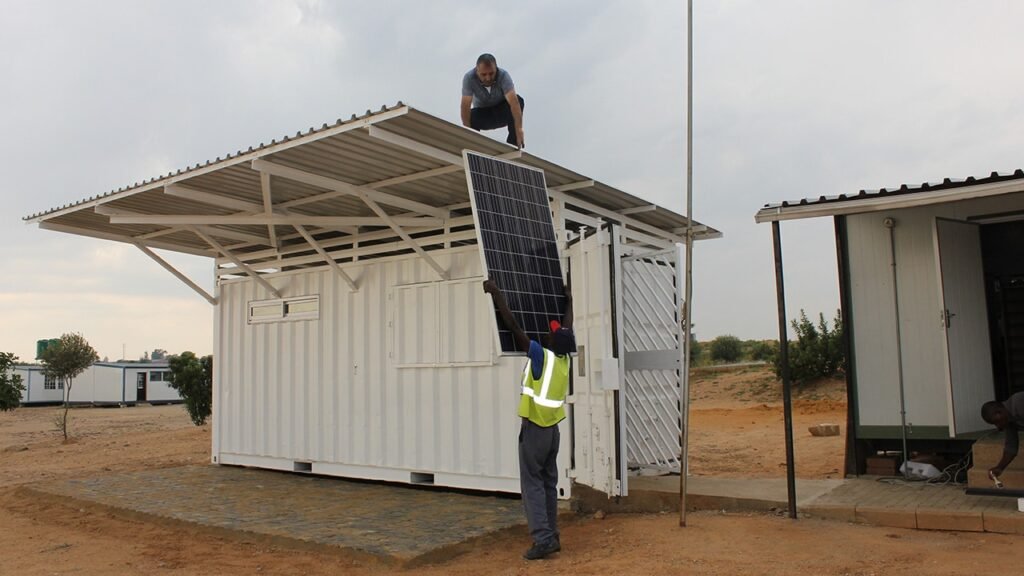
In Nigeria, innovators are already exploring container-based solar classrooms that can be moved into underserved areas. One such initiative developed modular classroom systems powered by solar energy and designed for rural schools and displacement camps. The model demonstrates how renewable energy and mobile infrastructure can work together to expand educational access.
Education analysts also believe solar learning systems can help schools prepare students for future employment opportunities. Digital literacy is becoming increasingly important across industries, yet many rural students graduate with little practical exposure to technology. By introducing computers, internet-based learning and digital educational content early, schools can better prepare students for higher education and modern workplaces.
Some rural education programmes are now integrating entrepreneurship and technology training into school activities. Researchers studying technology-based education projects in rural communities found that hands-on exposure to digital tools improved students’ confidence and increased interest in innovation-driven careers.
Still, challenges remain. Maintenance is one of the biggest concerns for rural schools adopting solar systems. Batteries require replacement over time, and technical faults can become difficult to resolve in remote communities with limited skilled technicians. Experts recommend involving local technicians during installation and training school staff on basic maintenance procedures.
Security is another issue. Solar panels and electronic devices can attract theft if schools do not have proper protective measures in place. Community involvement, therefore, becomes essential. Many successful projects involve parents, local leaders and community associations from the beginning to create a sense of ownership and responsibility around the facilities.
Internet access also continues to limit the full potential of digital education in many rural areas. However, education technology providers are increasingly developing offline learning platforms that allow schools to store educational videos, textbooks and teaching materials locally without needing continuous internet connectivity.
For many education stakeholders, the broader goal is not simply to introduce gadgets into classrooms. The focus is on creating equal learning opportunities for children regardless of where they live. Solar-powered learning kits are being viewed as practical tools that can help bridge long-standing inequalities between urban and rural education systems.
Back Story
The push for solar-powered learning in rural schools grew stronger during and after the COVID-19 pandemic, when millions of students around the world lost access to traditional classroom learning. Schools in communities without electricity or internet connectivity faced even greater setbacks as digital education became more important globally.
In Nigeria and across Africa, the crisis exposed the deep divide between urban schools with digital infrastructure and rural schools lacking even basic electricity. Development groups, renewable energy advocates and education experts began exploring how solar energy could provide a more sustainable foundation for modern learning.
Over the years, several organisations have tested portable solar classrooms, solar backpacks and microgrid-powered schools in different countries. These experiments showed that renewable energy could help schools maintain stable learning environments while also lowering energy costs over time.
Today, many experts believe solar-powered education systems could become one of the most important investments for improving learning outcomes in rural communities. As governments and private organisations continue searching for ways to modernise education, solar-powered learning kits are increasingly seen not as temporary interventions but as long-term solutions for the future of rural education.
Join Our Social Media Channels:
WhatsApp: NaijaEyes
Facebook: NaijaEyes
Twitter: NaijaEyes
Instagram: NaijaEyes
TikTok: NaijaEyes
READ THE LATEST EDUCATION NEWS