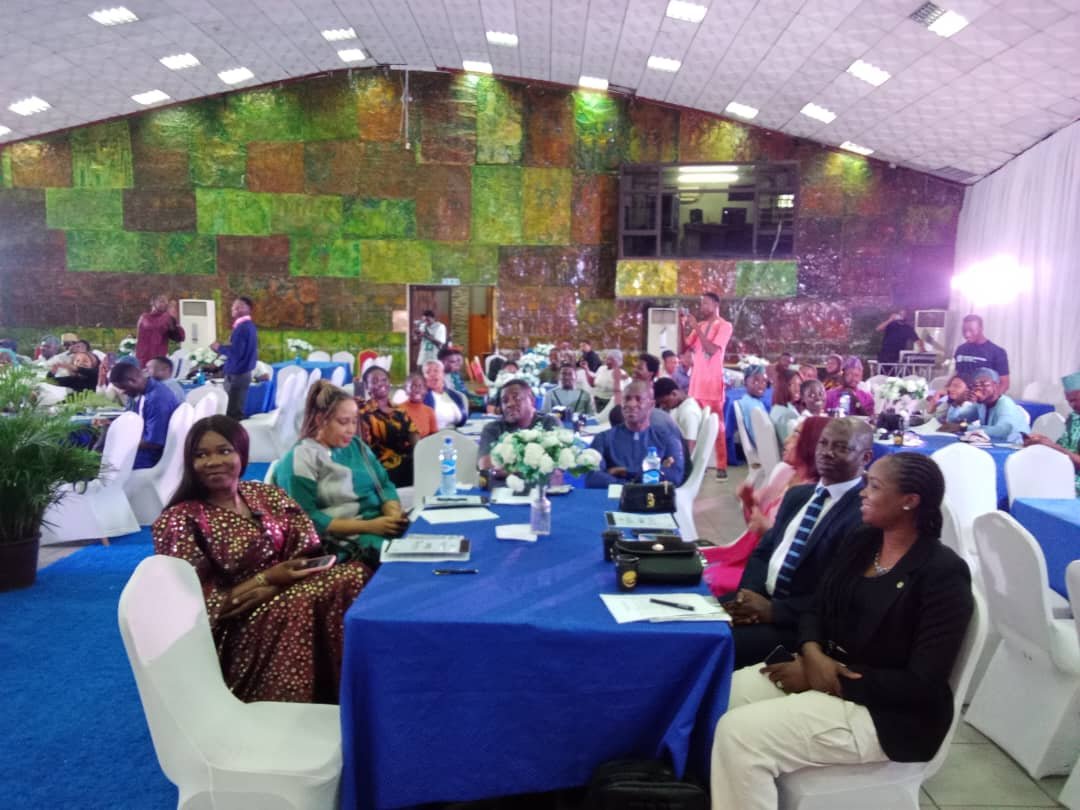
In today’s Nigeria, the conversation around youth employment is no longer just about earning academic certificates. The real question is whether those certificates come with practical skills that match the demands of a fast-changing job market. This was the message echoed at the 2025 International Youth Day celebration in Lagos, where the Institute of Industrial Development (IID) urged Nigerian youths to take skills development as seriously as their formal education.
Held at the prestigious NECA House in Ikeja, the event gathered young people, educators, industry leaders, and entrepreneurs under the theme: “Design, Build, Lead.” The central idea was simple yet urgent — certificates open doors, but skills determine whether those doors stay open.
Mr Precious Adeho, the Founder and Executive Director of the IID, did not mince words. He explained that the programme was more than a conference; it was a call to action for a generation faced with the double challenge of rising unemployment and rapid technological transformation.
“We are committed to bridging the gap between education and industry needs, particularly in Science, Technology, Engineering, and Mathematics (STEM) fields,” Adeho said. His words struck a chord with participants, many of whom admitted that their academic journey had not adequately prepared them for the realities of the Nigerian workplace.
Adeho further described the initiative as a platform to inspire innovation, resilience, and leadership in young Nigerians, noting that “our aim is to raise a generation that will not only survive but thrive in a world driven by technology and sustainability.”
The event featured workshops, panel discussions, and job fairs where participants interacted directly with industry experts. Young people were able to receive mentorship, explore job opportunities, and most importantly, learn how to turn academic knowledge into practical, marketable skills.
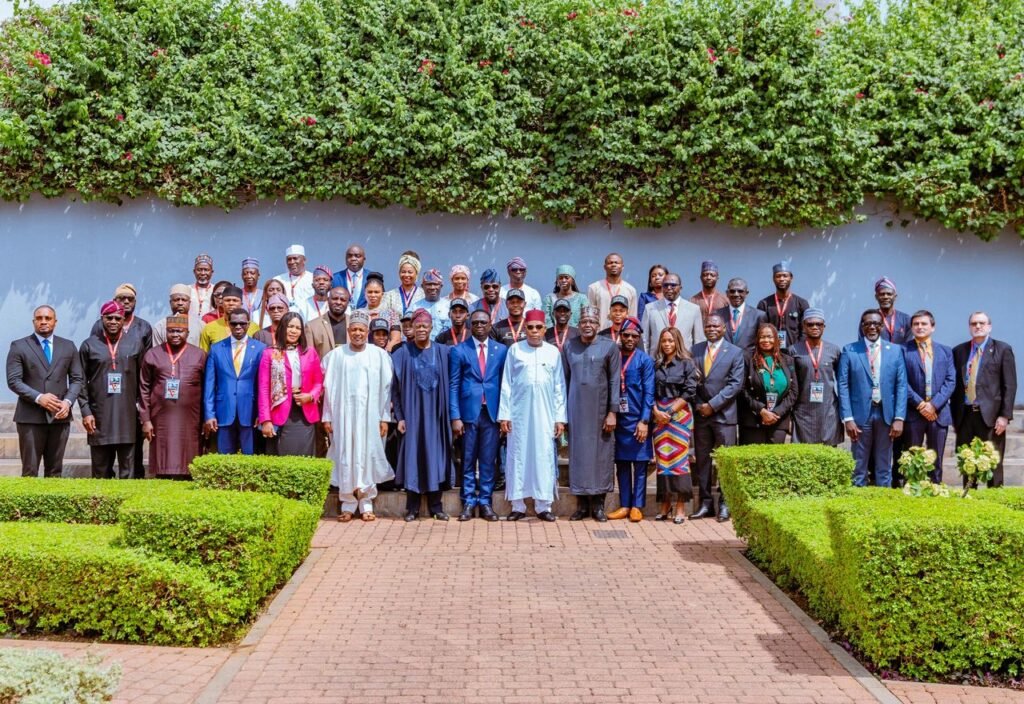
Table of Contents
Lessons from Industry Leaders and Entrepreneurs
The highlight of the day came from a series of keynote addresses and interactive sessions where business leaders shared their real-life experiences. Among them was Mr Gbenga Afolabi, Chief Executive Officer of Hazon Holdings, who underscored the importance of adaptability.
According to Afolabi, a pharmacist by training, his career trajectory demonstrates why Nigerian youths must broaden their skill sets. Over the years, he diversified into technology, marketing, and management — proof that survival in today’s economy requires flexibility.
“With all the changes in technology, are youths actively engaging with opportunities that will drive growth in business and career?” he asked rhetorically. His challenge was clear: a certificate is good, but continuous learning is better.
Mrs Adetola Akinola, Founder of Glitz Group of Companies, added her voice by stressing the importance of innovation. “With the advent of AI, young people must become more innovative. As the saying goes, ‘Innovate or Die’,” she warned. Akinola encouraged participants to merge creativity with traditional businesses, explaining that innovation is not limited to tech companies but cuts across agriculture, fashion, and even retail.
Her advice was practical and unapologetic: “The future will favour those who adapt quickly. If you’re waiting for things to return to how they used to be, you’ll be left behind.”
What made the discussions powerful was not just the theory but the lived experiences of these speakers. They didn’t present themselves as untouchable experts; instead, they narrated their own career struggles and how learning new skills helped them remain relevant.

Youth Voices: Shifting Mindsets and Redefining Careers
Beyond the experts, what truly captured the spirit of the event were the voices of the young participants themselves. Many admitted that their perspectives on education and career had been reshaped.
One participant, Mr Olawale Daniel, shared a moment of honesty. “I used to focus only on academics, ignoring my other capabilities. This programme has inspired me to embrace skills alongside academic pursuits,” he said.
His testimony reflects a common struggle among Nigerian youths — the cultural pressure to prioritise certificates over practical abilities. For years, parents and schools have measured success by the number of degrees attained. But in reality, employers are asking tougher questions: Can you solve problems? Can you apply what you studied? Can you adapt?
Daniel’s story is not unique. Many young Nigerians graduate with high hopes, only to find themselves stuck in the cycle of unemployment or underemployment. What events like the IID empowerment programme demonstrate is that the solution lies in shifting the mindset: education is not enough if it is not blended with practical exposure.
Workshops at the event demonstrated hands-on skills in areas like digital marketing, coding, data analytics, project management, and entrepreneurship. Participants were paired with mentors who offered not only advice but also connections to potential career pathways.
This bridging of theory and practice is what Adeho describes as the movement of STEM for impact. It’s not just about teaching formulas and equations, but about showing young people how those skills can solve real-world problems — from climate change to financial inclusion.
A Call to Action: Building Nigeria’s Future Workforce
As the curtains closed on the International Youth Day event, the underlying message remained clear: bridging the skills gap is not a task for youths alone. It requires a collective effort from educators, policymakers, industries, and even parents.
Adeho passionately called on all stakeholders to see youth development as a national priority. “Investing in skills is investing in Nigeria’s future. The challenges are big, but so are the opportunities,” he said.
The statistics back him up. According to the National Bureau of Statistics (NBS), Nigeria’s unemployment rate among young people remains one of the highest in Africa. Yet, industries consistently report a shortage of skilled workers in areas like technology, renewable energy, and manufacturing. This mismatch creates both frustration and opportunity.
Experts at the programme proposed practical steps:
- Schools must integrate skill-based training into their curricula, not as afterthoughts but as core subjects.
- Private sector players should expand internships and mentorships, giving students real-world exposure before graduation.
- Government policies should prioritise vocational and technical education, ensuring they are adequately funded and respected.
- Youth themselves must adopt lifelong learning, embracing short courses, certifications, and self-taught skills that complement formal education.
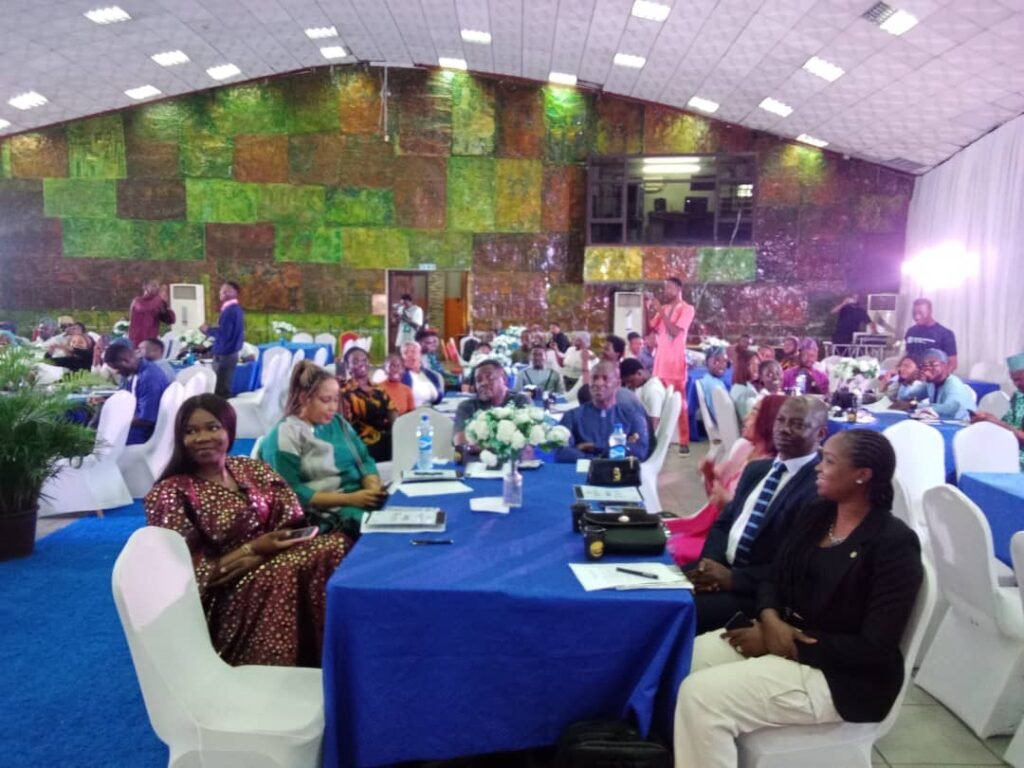
For the young people at NECA House, the day was not just about speeches. It was about realisation — that the future belongs to those who can combine knowledge with creativity, resilience, and adaptability.
The challenge, however, remains how to scale these initiatives beyond the walls of conferences. If Nigeria wants to compete globally, it must build a workforce that is not only educated but skilled, innovative, and future-ready.
As Adeho reminded the audience, the slogan of the programme — Design, Build, Lead — is more than a theme. It is a roadmap for a generation that must design its future, build its capacity, and lead with courage.
And if the testimonies of participants like Daniel are anything to go by, Nigerian youths are ready to rise to the occasion.
Join Our Social Media Channels:
WhatsApp: NaijaEyes
Facebook: NaijaEyes
Twitter: NaijaEyes
Instagram: NaijaEyes
TikTok: NaijaEyes