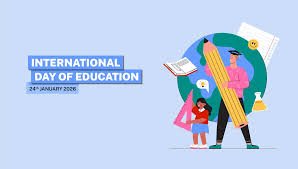
Paris, France and cities across the world are marking International Day of Education 2026 with renewed energy as young people’s voices take centre stage in global discussions about the future of learning. Each year on 24 January, the world recognises education as a fundamental human right and a powerful force for peace, development and human dignity. This year’s celebrations highlight how youth are not just learners but active partners in designing and improving education systems everywhere.
The United Nations Educational, Scientific and Cultural Organization organised a large hybrid gathering on 23 January at its headquarters in Paris, where young people, students and decision-makers shared ideas about strengthening education systems. On the same day, UNESCO released a fresh global measurement tool that examines how students and youth are taking part in law-making, policy design and education decisions. The event also introduced the newest members of the SDG4 Youth & Student Network, a global group that amplifies young voices in education forums and initiatives around the world.
UN Secretary-General and UNESCO leaders emphasised that the world’s youth are a vibrant force for innovation, transformation and social progress. People under 30 now make up more than half of the global population yet many still face barriers such as poverty, lack of quality schooling and limited access to jobs and meaningful roles in shaping policy. The International Day of Education 2026 focused on dismantling these barriers so youth can become full partners in the education systems that determine their future.

Table of Contents
Youth engagement driving policy and innovation in learning
Experts and advocates are calling on governments and institutions to go beyond symbolic involvement of young people. Engagement must be meaningful, sustained and embedded in decision-making at all levels. This includes schools, community organisations, national ministries and international development programmes. When youth have real power in shaping the curriculum, teaching methods and learning opportunities, systems become more responsive to societal needs and better prepared for rapid global changes.
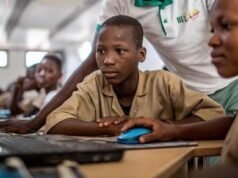
This shift in perspective is vital at a time of technological disruption. As digital tools and new ways of learning continue to change the face of education, young people are uniquely positioned to contribute insights into what works and what needs to improve. Their experience with technology and fresh ideas inject energy into education reforms that aim to be inclusive, practical and forward thinking.
Across different regions, youth-led events have been organised to coincide with the International Day of Education celebrations. In Africa, institutions like the Association of African Universities teamed up with research groups to discuss how youth can co-create education systems that reflect African realities and priorities. This regional engagement echoes global calls to broaden meaningful youth participation in policy and practice.

Addressing education inequities with youth at the forefront
International data show that millions of children and young people remain out of school or without basic literacy and numeracy skills. Around the world, more than 250 million children and youth are out of school, and hundreds of millions of adults cannot read or write. These figures remind policymakers and communities that quality education remains out of reach for far too many people.
By placing youth voices at the centre of efforts to improve education, advocates argue that the policies made will be more equitable and effective. Rather than treating young people as passive recipients of learning, policymakers are urged to involve them in every stage of the education cycle—from identifying challenges to designing solutions and evaluating results. Such meaningful participation builds ownership and ensures that education systems reflect the real needs and aspirations of learners.
UNESCO said advancing the Sustainable Development Goal on quality education requires listening to youth and integrating their perspectives into law and policy. This aligns with commitments made at the 2022 Transforming Education Summit and reiterated in many international forums seeking to accelerate progress toward inclusive, equitable education for all.
What this means for Nigeria and beyond
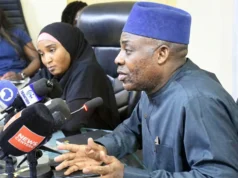
In Nigeria, the International Day of Education theme has sparked conversations about how young people can be more actively included in shaping education policy. Commentators are urging local leaders, educators and communities to create structures that enable youth to participate in school governance, curriculum design and education innovation spaces. Many believe that this will help unlock Nigeria’s potential by empowering its large youth population to contribute to national development through education that is relevant, modern and inclusive.
For communities and stakeholders across Africa and the world, International Day of Education 2026 is a moment to reflect on the role of youth in driving forward education reforms that leave no one behind. The call is clear: young people should have genuine influence in shaping how education systems evolve to meet the challenges of the twenty-first century.
Ultimately, the celebrations and discussions surrounding this year’s International Day of Education highlight a fundamental truth: education is not just about classrooms and exams. It is about equipping young people with the skills, confidence and agency to shape their own futures and meaningfully contribute to their societies.
Join Our Social Media Channels:
WhatsApp: NaijaEyes
Facebook: NaijaEyes
Twitter: NaijaEyes
Instagram: NaijaEyes
TikTok: NaijaEyes
READ THE LATEST EDUCATION NEWS