The Federal Government has confirmed the first case Ebola case in FCT, making the Ebola Virus Disease (EVD) present in the Federal Capital Territory (FCT).
The case was laboratory-confirmed after a woman, who recently returned to Nigeria from Uganda, was admitted to a private medical facility in the FCT.
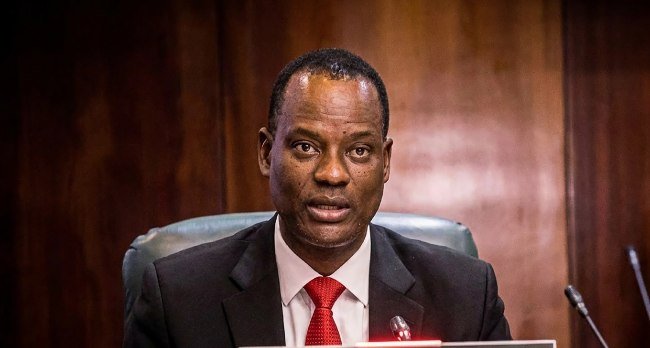
The Minister of Health and Social Welfare, Professor Muhammad Ali Pate, disclosed the development in an official statement released on Tuesday, October 20, 2026.
Following initial treatment at the hospital over several days, the patient has now been placed in isolation where she continues to receive medical care.
“A woman who recently arrived in Nigeria on an international flight from Uganda, was admitted to a private hospital in the FCT, where she received treatment for several days before the diagnosis was confirmed,” the statement noted.
According to Professor Muhammad Ali Pate, the Coordinating Minister of Health and Social Welfare, contact tracing operations have commenced, with 44 close contacts—comprising healthcare workers, fellow patients, caregivers, and travel companions—identified so far.
Surveillance measures have been intensified, and the medical facility where the patient received initial treatment is being provided with immediate support to reinforce infection prevention and control procedures.
Furthermore, the government has urged public and private healthcare facilities across the country to maintain heightened vigilance, sustain a high index of suspicion, rapidly isolate suspected cases, strictly observe infection control protocols, and immediately report potential infections to public health agencies.
The minister urged Nigerians to remain calm while adhering to safety precautions, including regular handwashing and avoiding exposure to the blood or bodily fluids of individuals suspected of harboring the Ebola virus.
Backstory…
In May 2026, the Nigeria Centre for Disease Control and Prevention (NCDC) warned that the spread of the Bundibugyo strain of Ebola in the Democratic Republic of the Congo (DRC) and Uganda posed a high risk of importation into Nigeria.
The agency cited international travel, cross-border movement and the difficulty of distinguishing early Ebola symptoms from illnesses such as malaria as factors that could complicate detection. NCDC advisory.
The Federal Government subsequently stepped up its preparedness efforts. In June, President Bola Tinubu approved ₦10 billion for emergency preparedness and established a Presidential Task Force on Ebola and other emerging public health threats
On October 6, the NCDC intensified its warning after Kenya confirmed an imported case linked to the outbreak in the DRC.
Read Also: Ebola Outbreak- DR Congo Says Death Toll Makes It Deadliest Ever