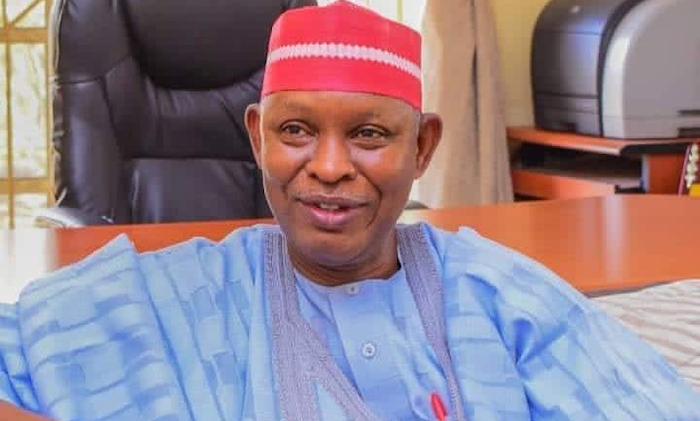
In a sweeping administrative decision that has stirred fresh political and policy discussions across Nigeria, the government of Kano State has announced the abolition of the Ministry of Higher Education as part of a restructuring aimed at strengthening the management of the state’s education system. The move, approved by Abba Kabir Yusuf, the governor of Kano State, also resulted in the removal of his deputy, Aminu Abdussalam Gwarzo, from his role as Commissioner for Higher Education.
The decision marks one of the most significant administrative adjustments in Kano’s education sector in recent years and reflects the state government’s broader effort to consolidate institutions, reduce governance costs, and streamline policy coordination across all levels of education.
Announced through an official statement issued by the governor’s spokesperson, the restructuring plan effectively dissolves the ministry that previously handled tertiary education in the state. In its place, the government will operate a unified education structure under the Kano State Ministry of Education, which will now supervise both basic and higher education through a newly created directorate dedicated to tertiary institutions.
For many observers, the development represents not only a policy shift but also a political moment within Kano’s evolving governance landscape.
Education Governance Reorganised Under a Unified Structure
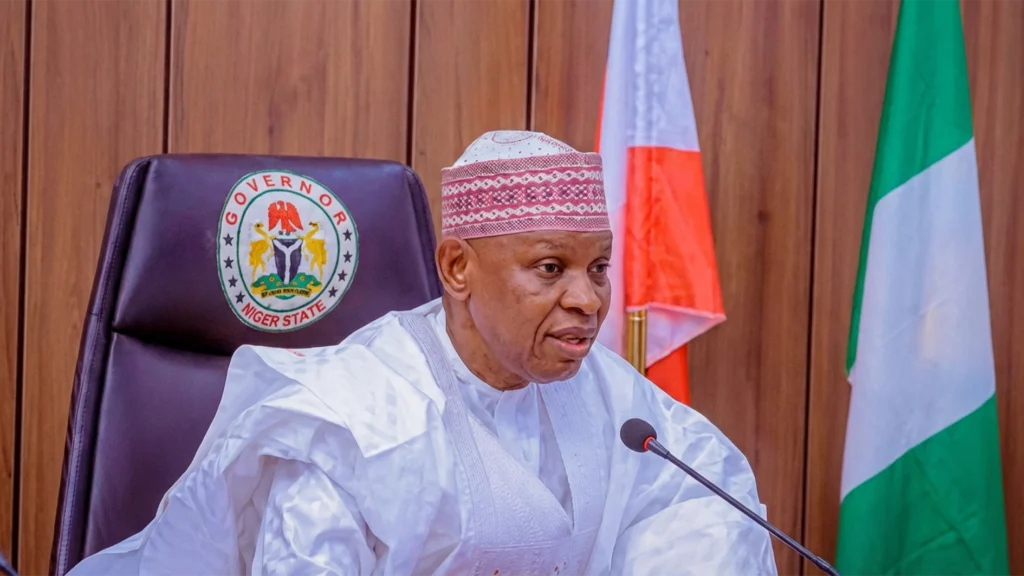
Under the new framework approved by the Kano State government, responsibilities that were previously assigned to the now defunct Ministry of Higher Education will be absorbed into the Ministry of Education. A specialised Directorate of Higher Education will be created within the ministry to oversee the administration of universities, polytechnics, colleges, and other tertiary institutions in the state.
The directorate will be headed by a permanent secretary and supported by administrative and technical staff responsible for policy supervision, institutional oversight, and programme coordination. The government believes that this arrangement will improve efficiency and create clearer lines of authority within the education sector.
Officials say the restructuring will also bring several agencies back under the central education ministry. These include the Kano State Scholarship Board and other organisations previously managed by the Higher Education Ministry. With the merger, these institutions will now operate within a unified administrative system that oversees all educational activities in the state.
According to government sources, the goal is to eliminate duplication of responsibilities between ministries and improve coordination between primary, secondary, and tertiary education policies. By integrating all education functions under a single ministry, the state hopes to align strategies more effectively and ensure that reforms in one segment of the sector support the others.
Policy analysts say this approach mirrors reforms carried out in some other jurisdictions where governments seek to centralise education administration in order to strengthen accountability and reduce bureaucratic delays.
Political Implications as Deputy Governor Loses Commissioner Role
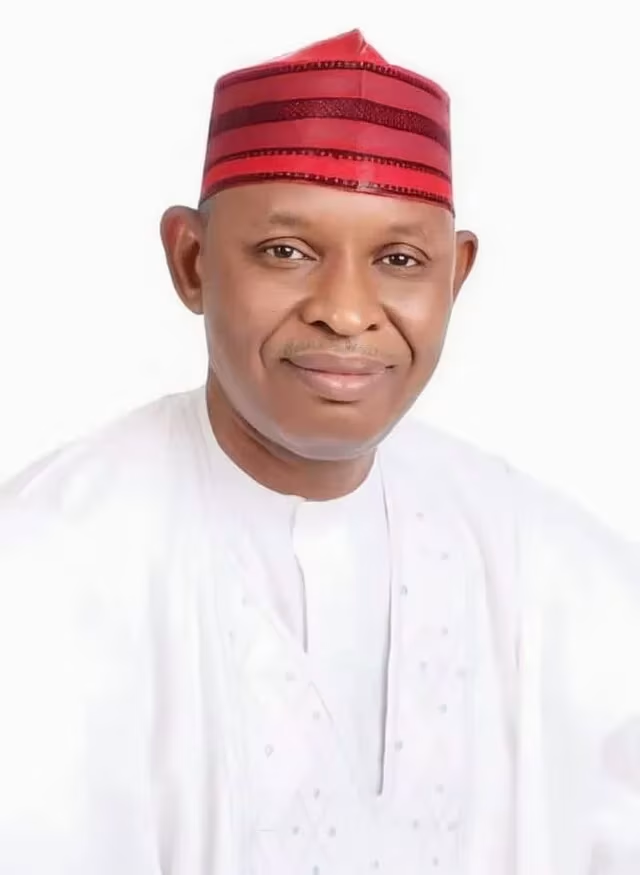
Beyond its administrative implications, the restructuring carries clear political consequences. One immediate effect is the removal of Deputy Governor Aminu Abdussalam Gwarzo from his additional role as Commissioner for Higher Education. Since the ministry itself has now been dissolved, the commissionership position automatically ceased to exist.
Gwarzo, who has served as deputy governor since 2023, had been overseeing the ministry alongside his responsibilities in the state government.
While officials emphasised that the restructuring is primarily administrative, political observers have noted that the development comes at a time of growing tension within Kano’s political landscape. Reports indicate that the state assembly had begun impeachment proceedings against the deputy governor, following allegations of misconduct and internal disagreements within the administration.
Some analysts also link the political tension to shifting alliances within Kano politics. Governor Yusuf recently moved closer to the ruling All Progressives Congress at the federal level, a decision that reportedly created differences between him and some political allies who remain aligned with other political movements in the state.
Although the government has not publicly connected the ministry’s dissolution to these political developments, the timing has inevitably sparked debate among political commentators and citizens alike.
Government Says Reform Will Improve Efficiency and Reduce Costs
Despite the political conversations surrounding the decision, the Kano State government insists that the reform is part of a broader agenda to strengthen governance and improve service delivery in the education sector.
Officials say the restructuring will reduce administrative costs and simplify decision-making within the state’s education system. By eliminating an entire ministry and merging its functions with an existing one, the government hopes to cut down on overlapping responsibilities and administrative overhead.
The reform also aims to enhance policy coordination across the education sector. With one ministry responsible for all levels of education, government planners believe it will become easier to align strategies, allocate resources efficiently, and monitor the performance of educational institutions.
Another objective is to strengthen oversight of tertiary institutions across the state. Through the new Directorate of Higher Education, officials say the government will be able to monitor universities and colleges more closely while ensuring that policies affecting students and academic staff are implemented consistently.
Supporters of the reform argue that Nigeria’s education sector often suffers from fragmented governance structures that slow policy implementation. They believe a unified ministry could help address some of these challenges by creating a clearer institutional framework for managing schools and higher institutions.
What the Change Could Mean for Kano’s Education Sector
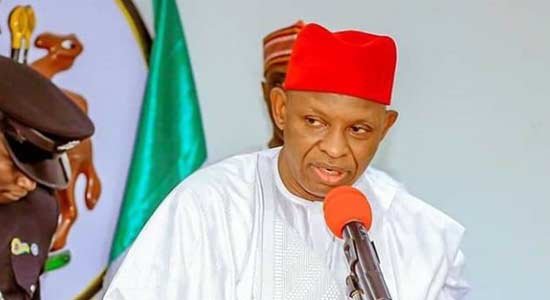
For students, lecturers, and administrators within Kano’s tertiary institutions, the long term effects of the restructuring will depend largely on how effectively the new directorate functions within the Ministry of Education.
If properly implemented, experts say the reform could create stronger coordination between the different levels of education in the state. This could influence areas such as curriculum alignment, scholarship management, and institutional development programmes.
However, transitions of this scale often come with initial challenges. Administrative restructuring can disrupt existing reporting lines, require staff redeployment, and demand adjustments from agencies that must now operate within a new framework.
The Kano State government has indicated that the transition will be carefully managed to ensure continuity in the administration of higher education institutions. Officials say personnel and resources from the former ministry will be absorbed into the new directorate to prevent operational gaps.
Beyond Kano, the reform may also draw attention from policymakers in other Nigerian states who are exploring ways to improve education governance. As the country continues to grapple with funding constraints, expanding student populations, and infrastructure needs, structural reforms like this one may increasingly become part of broader policy discussions.
For now, the decision by Governor Abba Kabir Yusuf stands as a major administrative shift that could reshape the management of education in one of Nigeria’s most populous states. Whether the reform delivers the efficiency and coordination promised by the government will become clearer in the months ahead as the new structure begins to take full effect.
Join Our Social Media Channels:
WhatsApp: NaijaEyes
Facebook: NaijaEyes
Twitter: NaijaEyes
Instagram: NaijaEyes
TikTok: NaijaEyes
READ THE LATEST EDUCATION NEWS