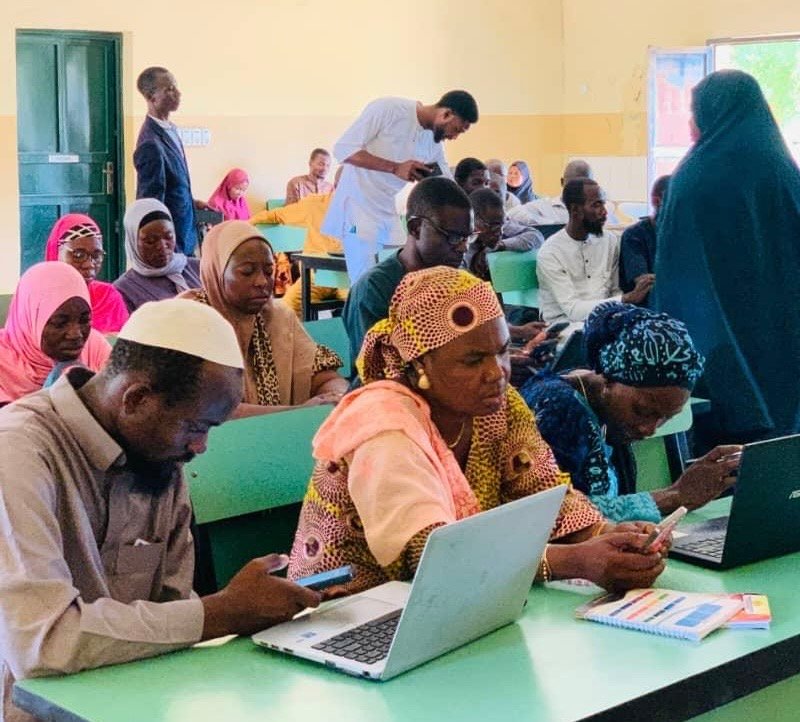
In a significant move to strengthen Nigeria’s evolving digital economy, the Kwara State Government has trained 50 teachers in digital entrepreneurship, a development that signals a growing shift towards technology-driven education in public classrooms. The initiative, reported on April 7, 2026, reflects a broader commitment to equipping educators with modern skills that align with global learning standards and innovation trends.
The training programme, facilitated in collaboration with industry stakeholders, focused on the practical use of digital tools, entrepreneurship principles, and STEAM education methods. Participants were introduced to approaches that not only enhance classroom delivery but also prepare students for real-world challenges in a rapidly digitising global economy.
At its core, the initiative is about transformation. It recognises that teachers are central to shaping the next generation of innovators, and without empowering them first, any meaningful educational reform would remain incomplete. By investing in teacher capacity, Kwara is positioning itself as a forward-looking state ready to compete in the knowledge economy.
Table of Contents

Bridging the Gap Between Education and the Digital Economy in Kwara
Across Nigeria, conversations around education reform have increasingly centred on digital literacy and entrepreneurial thinking. This programme in Kwara fits squarely within that national conversation. Experts have long emphasised that digital skills are no longer optional but essential for economic mobility and competitiveness.
The training exposed teachers to hands-on applications of technology in teaching, moving beyond theory into practical engagement. From integrating digital platforms into lesson delivery to understanding how entrepreneurship can be embedded into everyday learning, participants were given tools to rethink traditional teaching methods.
What makes this initiative particularly relevant is its dual focus. On the one hand, it enhances teachers’ professional capacity. On the other hand, it directly impacts students by creating classrooms that mirror the realities of today’s digital world. This approach ensures that learners are not just consuming knowledge but are also being prepared to create value, solve problems, and build enterprises.
In a country where youth unemployment remains a pressing concern, embedding entrepreneurship into education offers a pathway to self-reliance. By training teachers to pass on these skills, the ripple effect could be far-reaching, influencing thousands of students over time.
Government and Industry Collaboration Driving Innovation
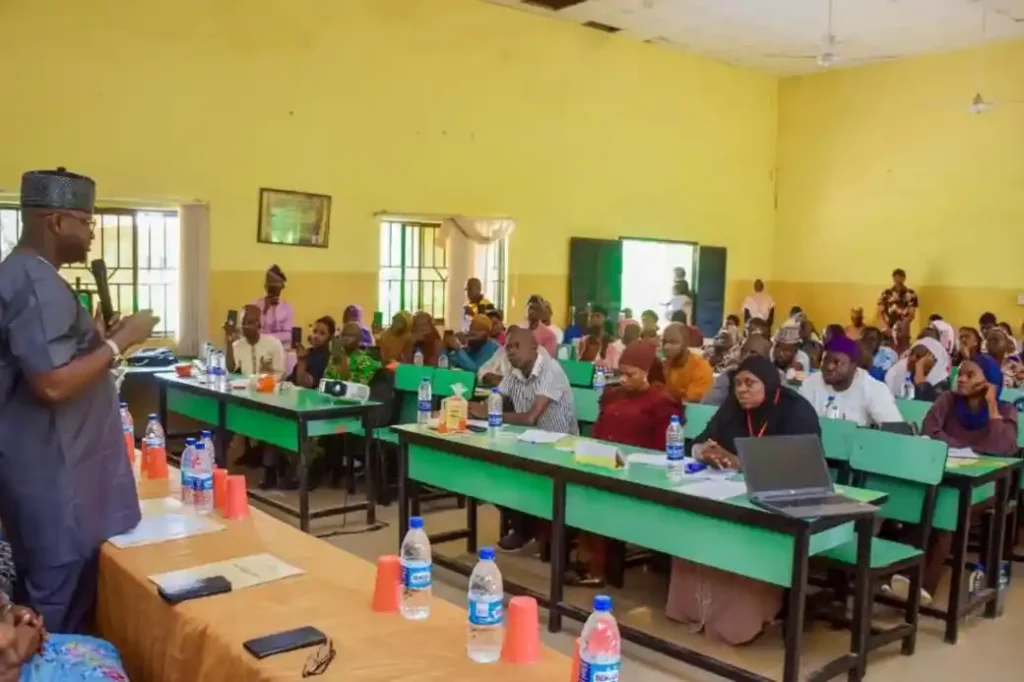
The success of the programme also highlights the importance of collaboration between the government and the private sector. The involvement of technology-driven institutions such as KwaraTech Academy underscores how partnerships can accelerate educational reform and innovation.
Speaking during the programme, stakeholders commended the state government’s consistent investment in education and urged participants to fully utilise the opportunity. The message was clear: the training is not just an event but part of a larger vision to build a digitally competent workforce capable of driving societal development.
Kwara State has, in recent years, taken deliberate steps to position itself as a hub for innovation. The presence of infrastructure such as the Ilorin Innovation Hub further reinforces this ambition, providing a platform for nurturing talent, supporting startups, and fostering a culture of creativity and enterprise.
This ecosystem approach is critical. Training teachers is one piece of the puzzle, but when combined with innovation hubs, policy support, and private sector involvement, it creates an environment where ideas can thrive and translate into economic value.
A Strategic Step Towards Future-Ready Classrooms
Beyond the immediate benefits of the training, the long-term implications are even more compelling. Education systems worldwide are undergoing rapid transformation, with technology redefining how knowledge is delivered and consumed. Kwara’s initiative demonstrates an awareness of this shift and a willingness to adapt proactively.
Teachers who participated in the programme are now better equipped to introduce students to concepts such as digital problem-solving, innovation thinking, and entrepreneurial mindset. These are skills that go beyond academic success and speak directly to employability and adaptability in the modern workforce.
Moreover, the inclusion of STEAM methodologies ensures a holistic approach to learning, combining science, technology, engineering, arts, and mathematics in a way that encourages creativity alongside technical competence. This integrated model is increasingly recognised as essential for preparing students to tackle complex global challenges.
The initiative also aligns with broader national and global trends that prioritise digital inclusion and skills development. As countries compete in the digital age, those with a workforce that can innovate and adapt will have a clear advantage.
For Kwara, this programme is more than a training exercise. It is a statement of intent. It signals a commitment to building an education system that is not only relevant but also transformative.
As the trained teachers return to their classrooms, the real impact of the programme will begin to unfold. Each lesson delivered with a digital and entrepreneurial lens represents a step towards a more innovative, resilient, and future-ready generation.
In the end, the success of such initiatives will be measured not just by the number of teachers trained but by the quality of change they inspire in students. If sustained and scaled, Kwara’s approach could serve as a model for other states seeking to bridge the gap between education and the demands of the 21st-century economy.
Join Our Social Media Channels:
WhatsApp: NaijaEyes
Facebook: NaijaEyes
Twitter: NaijaEyes
Instagram: NaijaEyes
TikTok: NaijaEyes