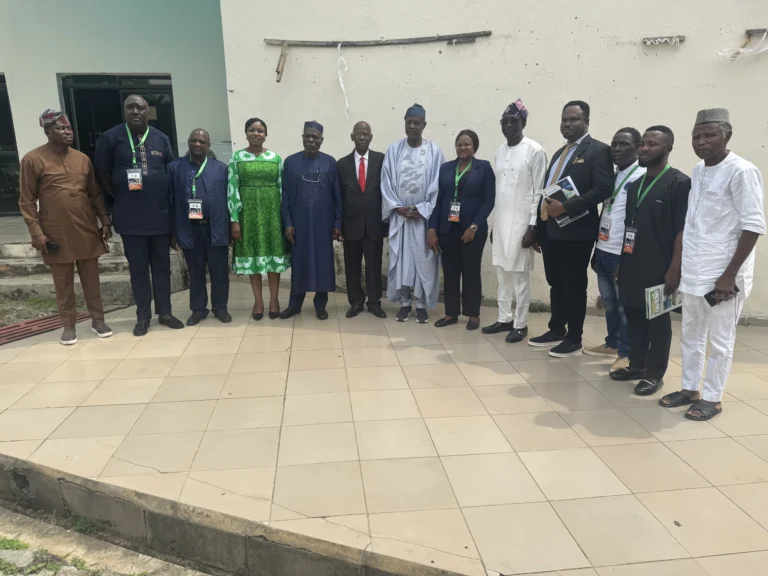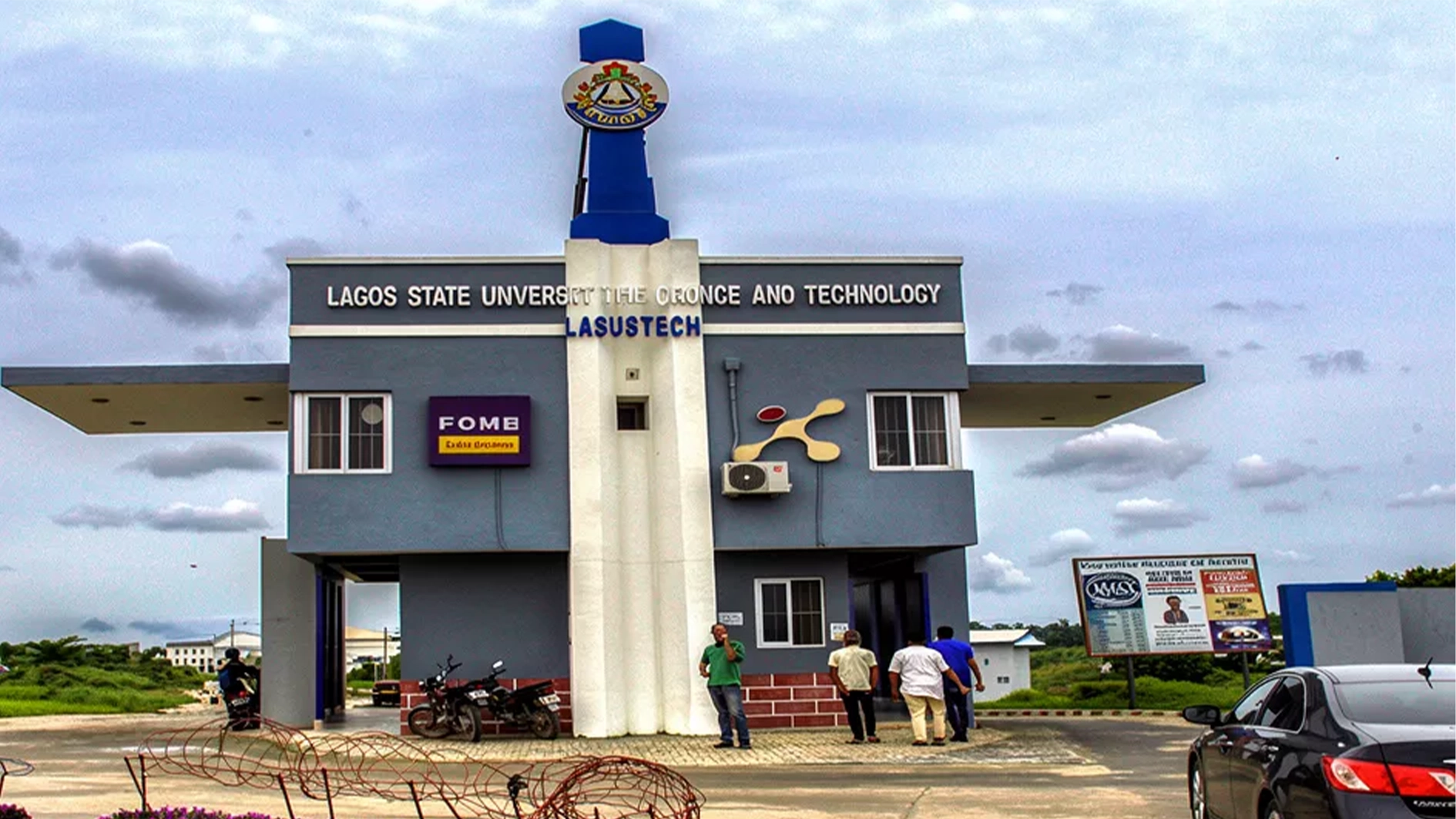

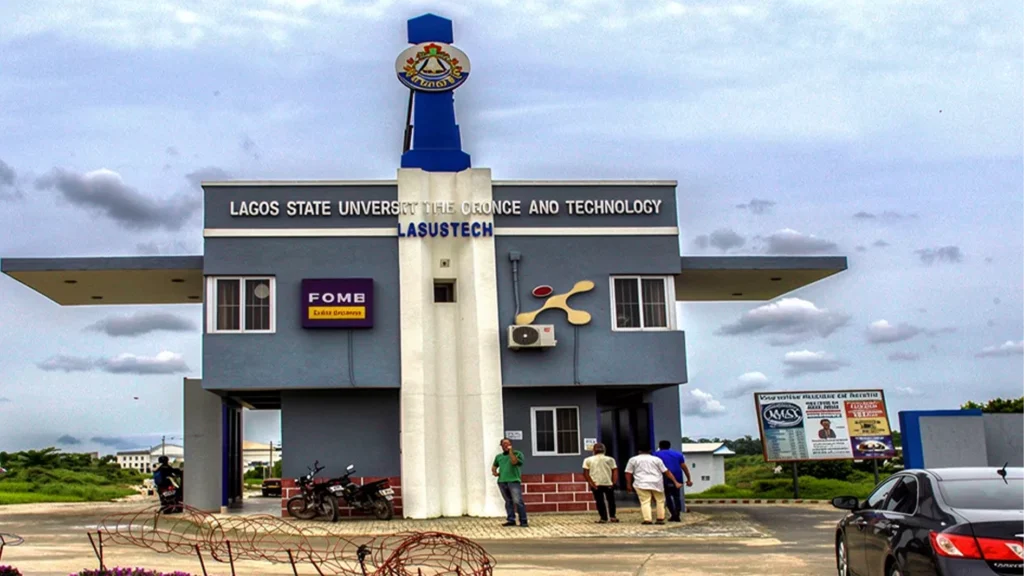
Nigeria’s higher education sector is taking another decisive step towards digital transformation, as Lagos State University of Science and Technology enters a strategic collaboration with Huawei Technologies to develop a smart university ecosystem designed for the future of learning.
The partnership, unveiled during a high-level engagement in Lagos, reflects a growing commitment among Nigerian institutions to embrace advanced technology infrastructure, improve academic delivery, and align with global standards in digital education. At its core, the initiative is about reimagining what a university should look like in a rapidly evolving, technology-driven world.

LASUSTECH moves to redefine higher education through smart campus innovation
At a time when universities globally are shifting towards integrated digital ecosystems, LASUSTECH is positioning itself as one of Nigeria’s forward-looking institutions ready to lead that transition. The engagement with Huawei represents more than a routine partnership. It is a deliberate move to transform the university into a smart campus where teaching, administration, and research are powered by intelligent systems.
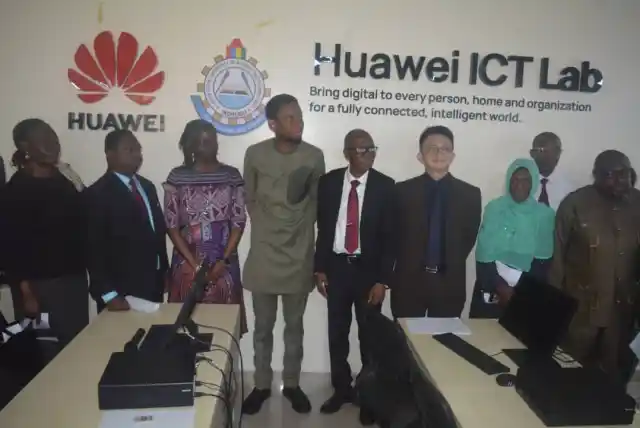
During the meeting held on April 22, 2026, at Huawei’s Lagos office, both organisations explored a broad range of solutions tailored to the institution’s needs. These include intelligent classroom technologies, advanced campus security systems, and integrated digital infrastructure designed to improve operational efficiency.
Vice Chancellor, Prof. Olumuyiwa Odusanya, made it clear that the university is not merely adopting technology for its own sake but is strategically embedding innovation into its academic DNA. According to him, the goal is to build an institution where digital excellence supports learning outcomes, research advancement, and institutional management.
This vision reflects a deeper understanding of the demands of the modern workforce. Students are no longer being prepared for static career paths. Instead, they must be equipped with adaptable skills relevant to the Fourth Industrial Revolution, where artificial intelligence, data systems, and digital platforms dominate.
Smart infrastructure and digital systems to drive efficiency and security
One of the key highlights of the proposed collaboration is the deployment of smart infrastructure across the campus. This includes the creation of an emergency command centre, advanced perimeter protection systems, and intelligent surveillance technologies designed to enhance safety.
In addition, the introduction of a high-level education network solution will provide seamless connectivity across the institution. This network is expected to support not just academic activities but also administrative processes, ensuring faster communication and better resource management.
Interactive classroom systems are also central to the plan. These tools will allow lecturers to deliver content more dynamically, using digital boards, real-time collaboration platforms, and virtual learning environments. For students, this translates into a more engaging and flexible learning experience.
Beyond the classroom, the partnership also considers the challenge of energy sustainability. Discussions included alternative power solutions aimed at ensuring that digital infrastructure remains functional despite Nigeria’s well-known power supply issues. This aspect is particularly critical, as reliable energy is the backbone of any smart campus initiative.
Huawei’s representatives emphasised the transformative potential of these technologies, noting that the solutions are designed to create a connected ecosystem where different parts of the university can interact seamlessly. This kind of integration is essential for institutions seeking to compete globally.
Public-private collaboration emerges as a model for digital transformation
The LASUSTECH Huawei collaboration is also significant for what it represents in terms of partnership models within Nigeria’s education sector. Rather than relying solely on government funding, the initiative leverages private sector expertise and innovation to achieve large-scale transformation.
Consultants supporting the project highlighted the importance of tailoring solutions to the specific realities of the university. This ensures that the technologies deployed are not only effective but also sustainable in the long term.
Such collaborations are increasingly becoming necessary as universities face rising demands for quality education, improved infrastructure, and global competitiveness. By working with established technology companies, institutions can access cutting-edge tools and knowledge that would otherwise be difficult to develop internally.
There is also a broader implication for Nigeria’s education system. If successfully implemented, the LASUSTECH model could serve as a blueprint for other universities seeking to modernise their operations. It demonstrates that with the right partnerships, it is possible to bridge the gap between traditional academic systems and the digital future.
Preparing Nigerian students for a technology-driven global economy
At the heart of this initiative is the student experience. The transition to a smart university is ultimately about creating an environment where students can thrive in a digital economy. From improved access to learning resources to enhanced campus services, the benefits are expected to be far-reaching.
The integration of digital tools into teaching and learning will allow students to develop critical skills such as problem-solving, collaboration, and digital literacy. These are competencies that employers increasingly demand in today’s job market.
Moreover, the smart campus model supports innovation and entrepreneurship. With access to advanced technologies, students can experiment, create, and develop solutions to real-world problems. This aligns with Nigeria’s broader ambition to build a knowledge-based economy driven by innovation.
The collaboration also opens up possibilities for inter-university connectivity. By leveraging Huawei’s global network capabilities, LASUSTECH could engage in digital partnerships with other institutions around the world, enabling knowledge exchange and collaborative research.
For Nigeria, this represents a significant opportunity. As the country continues to invest in its digital economy, universities must play a central role in producing the talent required to sustain that growth. Initiatives like this are a step in that direction.
In the coming months, stakeholders will be watching closely to see how the plans unfold. While challenges such as funding, infrastructure, and implementation capacity remain, the optimism surrounding the project is unmistakable.
What is clear is that LASUSTECH is making a bold statement about the future of education in Nigeria. By embracing technology and forging strategic partnerships, the university is not just adapting to change but actively shaping it.
Join Our Social Media Channels:
WhatsApp: NaijaEyes
Facebook: NaijaEyes
Twitter: NaijaEyes
Instagram: NaijaEyes
TikTok: NaijaEyes