
Nigeria is seeking a regional arrangement to protect submarine internet cables and reduce disruption when they fail. Communications Minister Bosun Tijani raised the proposal during engagements with member states at the International Telecommunication Union’s 2026 Plenipotentiary Conference in Doha, Qatar.
A Federal Ministry of Communications statement published on November 16 said Tijani advocated a shared regional protocol for digital infrastructure resilience, including procedures for rerouting network traffic and coordinating repairs after cable failures. It remains a proposal, not a signed agreement.
A cross-border problem needs a regional response
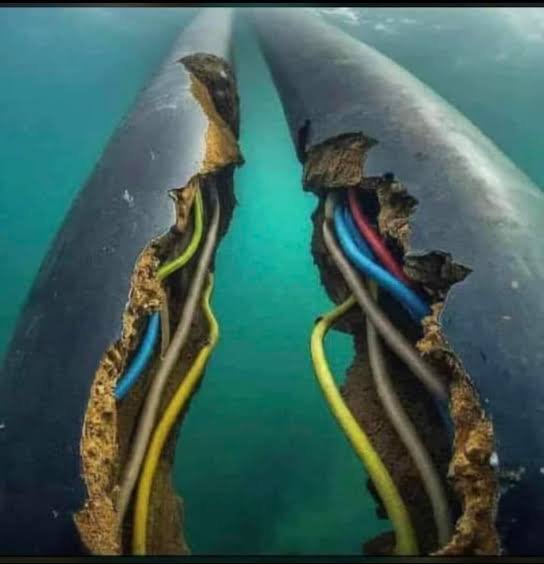
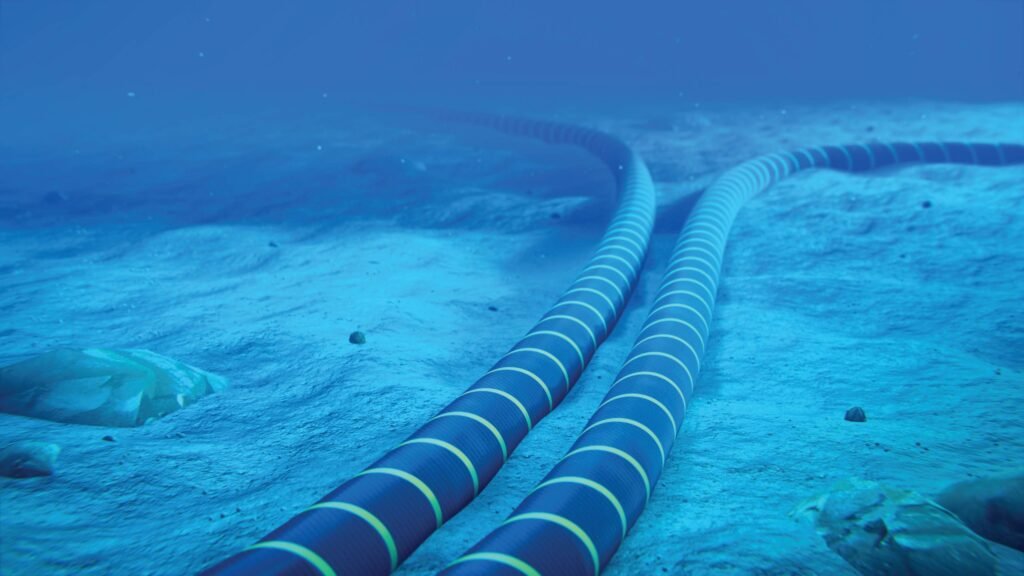
Submarine cables are fibre-optic systems laid on the seabed to carry data between countries and continents. The ITU says they carry more than 99 per cent of international data traffic worldwide. Damage can disrupt services far beyond the country where a cable comes ashore.
National networks may depend on international cables and terrestrial fibre routes crossing neighbouring states. During a failure, operators need alternative paths, access to cross-border links and reliable communication between regulators and service providers.
The ministry also reported connectivity cooperation with Chad, Burkina Faso and Benin, with plans to extend it to Cameroon. Nigeria is separately working with Togo on a proposed regional data park. These are related infrastructure efforts, not the cable protocol itself.
The 2024 outage exposed a weakness in cable routes
On March 14, 2024, a suspected underwater rockslide off Côte d’Ivoire disrupted four cable systems: ACE, SAT-3, WACS and MainOne. The Internet Society reported degraded service or near-total internet outages in 13 African countries.
Its analysis found that the four cables converged near the same stretch of coast. Multiple cable systems do not guarantee resilience when their routes share a vulnerable point.
The incident also showed the value of alternatives. Operators used cross-border terrestrial fibre to redirect traffic towards functioning submarine systems. According to the Internet Society, Google’s Equiano cable helped maintain connectivity in some affected markets.
What a workable agreement must cover
A regional protocol would need procedures for notifying neighbouring countries, sharing incident information, rerouting traffic and enabling repair vessels to work without avoidable regulatory delays. It should define how governments, regulators and private cable owners communicate during emergencies.
Coordination cannot prevent every outage. Countries also need diverse cable routes and landing points, stronger terrestrial connections, local internet exchange points and tested contingency plans. These measures reduce dependence on a single route.
The ITU’s July 2026 recommendations support this approach. They call for better risk monitoring, faster deployment and repair, stronger government-industry coordination and greater geographical diversity.
Back Story: Nigeria’s cable-resilience role
Nigeria’s advocacy builds on international work launched in 2024, when the ITU and International Cable Protection Committee established the International Advisory Body on Submarine Cable Resilience, co-chaired by Tijani. Nigeria hosted an international cable resilience summit in Abuja in February 2025.
The advisory body approved its final recommendations in July 2026. Nigeria’s proposed regional protocol would apply that global resilience agenda in West Africa. Success will depend on faster, coordinated responses when another cable fails, not announcements alone.
Also Read: Nigerian Fintechs Are Learning Why Fast Recovery Matters When Systems Fail