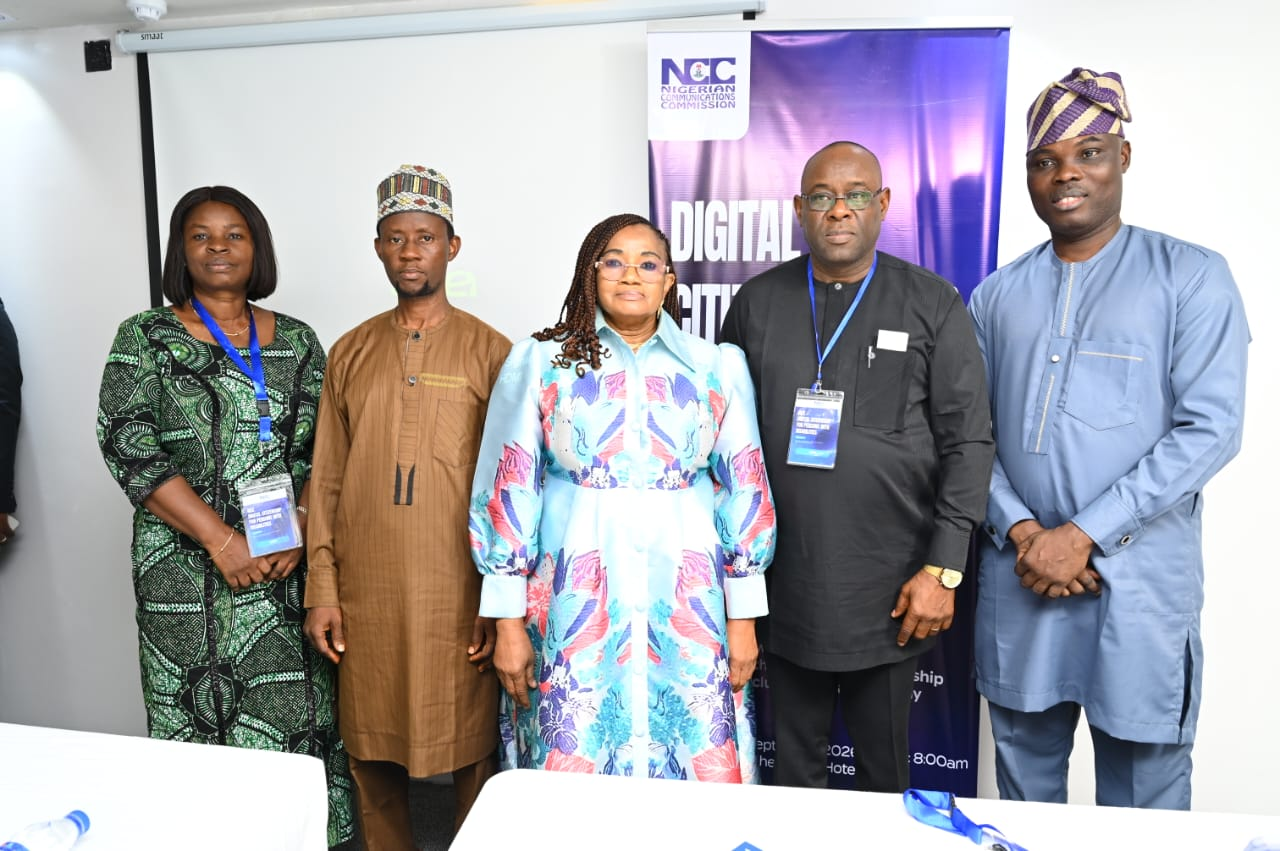

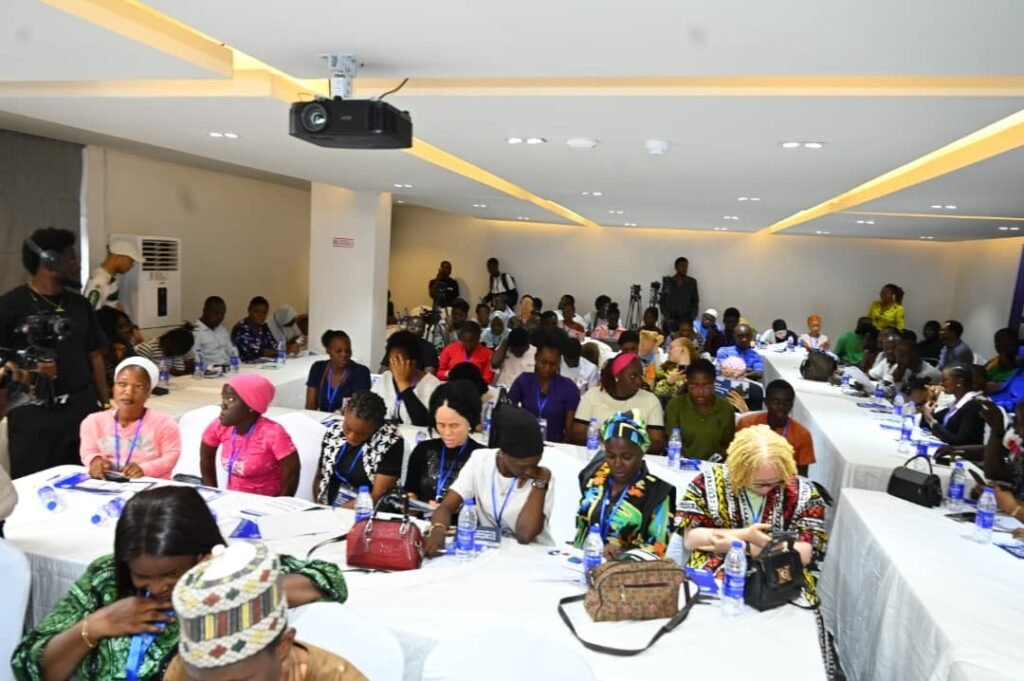
The Nigerian Communications Commission has trained more than 100 persons with disabilities in Lagos State as part of efforts to improve their participation in Nigeria’s digital economy.
The two-day Digital Citizenship Training for Persons with Disabilities was held on September 9 and 10, 2026, in Lagos. It covered digital skills, online safety, cybersecurity, data protection, digital communication and assistive technologies.
The programme was organised under the theme, “Empowering Persons with Disabilities Through Digital Citizenship for an Inclusive Digital Economy,” with Fornido Development Company serving as the lead consultant.
Beyond teaching participants how to use digital tools, the programme addressed everyday online risks and barriers. Participants learnt how to protect personal information, recognise scams and use technology more safely. They were also introduced to accessibility features such as speech-to-text tools.
Reports by The Sun, Vanguard and THISDAY said participants welcomed the practical nature of the training and linked the skills to education, employment, entrepreneurship and daily activities. Some participants also called for more regular training instead of a one-off programme.
Digital Skills Positioned as a Route to Wider Participation
NCC Executive Vice Chairman and Chief Executive Officer, Dr Aminu Maida, said digital transformation should not leave persons with disabilities behind. He was represented at the training by Helen Obi, Director of the Commission’s Digital Economy Department.
The Commission’s position, reported by The Sun, is that meaningful digital inclusion goes beyond connectivity. People also need digital knowledge, accessible tools and the confidence to use online services safely and productively.
For persons with disabilities, this can support access to learning materials, remote work, online businesses, professional networking and public services. Assistive technologies can also make it easier to communicate and interact with digital devices.
The training combined basic digital knowledge with issues that are becoming more important as more economic and social activities move online. Cybersecurity and data protection were central, with participants learning how to guard sensitive information and identify suspicious online activity.
The programme therefore reflects a broader understanding of digital inclusion in Nigeria. A smartphone or internet connection may provide access, but the ability to navigate the digital environment safely and independently determines how much value that access can provide.
NCC Calls for Stronger Collaboration on Accessibility
Maida called for stronger cooperation among government institutions, technology companies, service providers, development organisations, civil society groups and organisations representing persons with disabilities.
He stressed the need to consider accessibility when digital products and services are being designed, rather than treating it as something to fix later. This is increasingly relevant as Nigerian businesses and public institutions depend on websites, mobile applications, digital payments and online services.
The NCC has also highlighted other accessibility interventions. Its E-Accessibility Project has involved ICT tools, assistive technologies, training and internet provision for people with special needs. The Commission said the project had been deployed in at least 84 locations between 2012 and 2020, according to its official record.
More recently, the NCC has supported technology initiatives addressing barriers faced by persons with disabilities. At its fourth Hackathon, themed “Technology Without Barriers”, innovators developed solutions linked to accessible employment, communication and information. The NCC’s official report said the winning solution focused on connecting verified persons with disabilities to employment and skills development opportunities.
Back Story: NCC’s Wider Push for Digital Inclusion
The latest Lagos training is part of a longer series of NCC interventions aimed at extending digital opportunities to people who may face barriers to technology access.
In an earlier E-Accessibility intervention, the Commission said it had deployed 84 assistive IT projects across Nigeria, providing ICT tools, assistive technologies, training and internet access to support people with special needs.
In September 2026, the NCC also highlighted an assistive walking-stick prototype for blind and visually impaired people and its “Technology Without Barriers” Hackathon as part of its wider accessibility efforts.
Participants at the Lagos training have asked for more regular and advanced programmes. That request puts the focus on what happens after a two-day class: whether participants can continue building skills that help them find work, run businesses, access education, use public services and participate more independently online.
For Nigeria’s digital economy to reach more people, inclusion will depend not only on who is connected, but also on who can use technology confidently, safely and effectively.