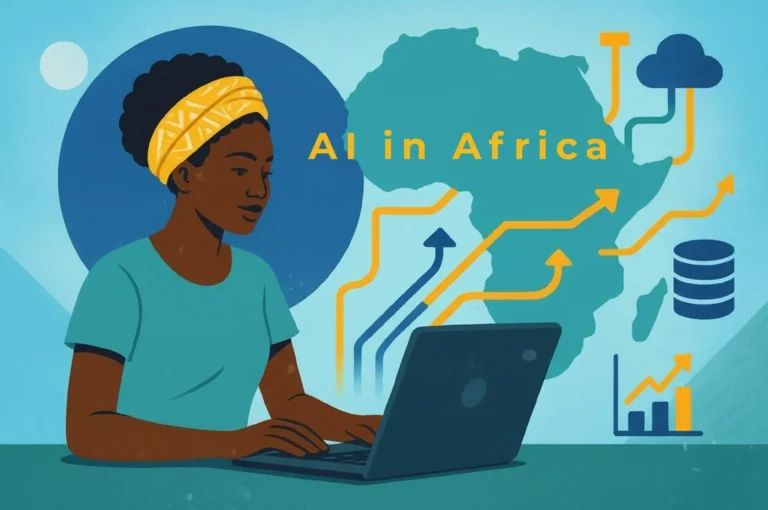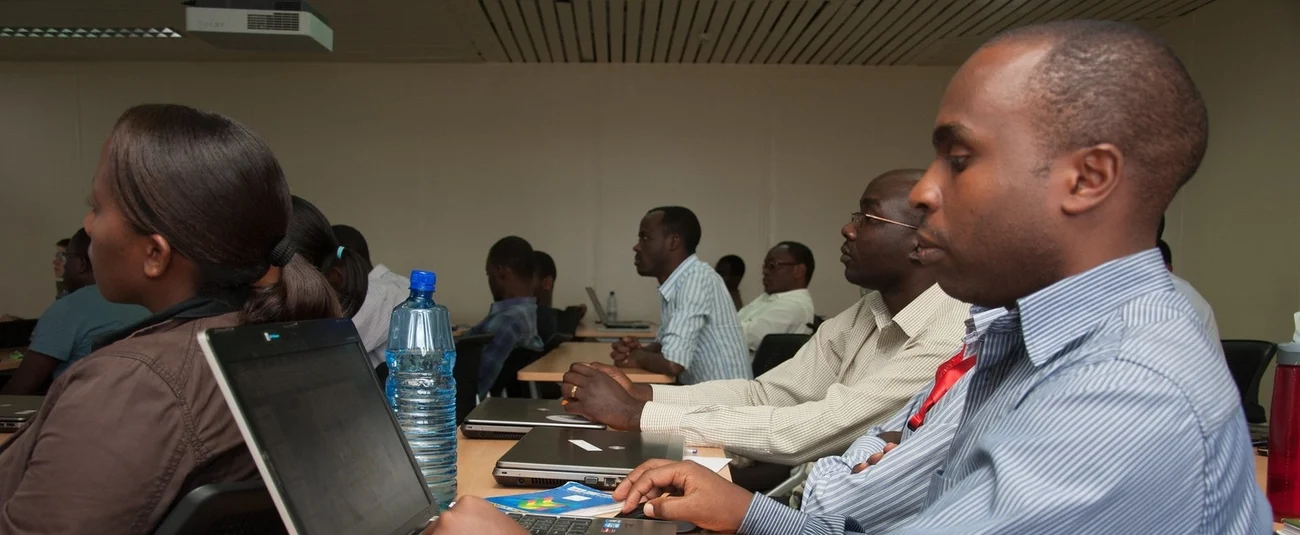

The African Development Bank Group has partnered with the UNDP AI Hub for Sustainable Development, Google and Apolitical to provide free artificial intelligence training for public officials across Africa. The initiative aims to help government workers understand how AI can be used responsibly in their daily work.
The programme was launched on September 25, 2026, on the sidelines of the 81st session of the United Nations General Assembly in New York. The African Development Bank said eligible public servants will access self-paced courses through Apolitical’s Government AI Campus.
The courses cover AI Fundamentals for Public Servants, AI Leadership in Government, and Smarter Procurement with AI. They explain the opportunities and risks of AI, strengthen leadership around emerging technologies and show how AI can improve procurement processes.
The programme is not designed to turn civil servants into software engineers. It targets people in government institutions who need enough AI knowledge to make informed decisions, manage risks and apply digital tools to public service.
What the new AI training covers
According to the African Development Bank, Stanford University Online and SDA Bocconi School of Management developed the training content, while Google and Apolitical are providing the learning platform and content.
Apolitical describes the Government AI Campus as a learning hub created specifically for public servants and governments. It offers online courses, practical resources, expert sessions and a global community for officials dealing with AI.
The organisation reported in May 2026 that the campus had trained 500,000 public servants across 163 countries. It also reported that 75 per cent of surveyed participants said they had become more confident in using AI tools and techniques. Those figures are based on Apolitical’s own programme data.
Under the new partnership, enrolment is open and free to serving government officials and public servants in the African Development Bank’s regional member countries. The initiative is particularly aimed at officials working on AI in public service delivery, digital infrastructure, public-private partnerships and innovation.
Why AI skills are becoming important in African governments
The programme comes as African governments face growing pressure to adopt digital technologies while managing concerns over data, security, skills and public trust.
The African Development Bank’s report, Africa’s AI Productivity Gain: Pathways to Labour Efficiency, Economic Growth and Inclusive Transformation, projects that inclusive AI deployment could add up to $1 trillion to Africa’s GDP by 2035. The report identifies five requirements for AI readiness: data, compute, skills, trust and capital.
The training directly addresses skills and supports the need for trusted governance. Access to AI tools does not automatically produce better government services. Officials still need to understand where AI systems can produce unreliable results and how their use should be supervised.
The UNDP AI Hub for Sustainable Development is also working to strengthen Africa’s capacity for responsible AI. The G7-endorsed initiative, co-led by UNDP and Italy’s Ministry of Enterprises and Made in Italy, brings African and international partners together around AI infrastructure, talent, trust and financing.
Back story: Africa’s wider AI skills push
The African Development Bank’s latest move is part of a wider effort to build AI capacity on the continent. In December 2025, the bank published its AI productivity report, saying Africa could achieve major economic gains from AI if adoption is inclusive and supported by infrastructure, skills and governance.
The Government AI Campus has been expanding alongside that push. In May 2026, Apolitical said it had reached 500,000 trained public servants, with an ambition to reach one million by the end of 2026. It also highlighted Rwanda, where nearly 200,000 public servants had completed a flagship AI course after it was made mandatory across the public service.
For African officials joining the programme, the value goes beyond learning an AI application. The bigger task is understanding how the technology can fit into policy work, procurement, administration and service delivery while preserving accountability.
As AI becomes more common in government, public servants will increasingly need to question AI-generated information, assess its risks and use it appropriately. The free training announced by the African Development Bank gives eligible officials an opportunity to develop those skills without paying for the courses.