Nigeria’s digital space is facing a fresh wave of coordinated cyber threats, with regulators raising the alarm over growing attempts to breach financial systems and critical infrastructure across the country. In a strongly worded advisory released on April 17, the Nigeria Data Protection Commission warned that both public and private institutions must urgently tighten their data protection frameworks or risk serious consequences.
The warning comes at a time when Nigeria’s digital economy is expanding rapidly, with more services moving online and increasing volumes of sensitive data being processed daily. This growth, while beneficial, has also made the country an attractive target for cybercriminal networks seeking to exploit vulnerabilities in digital systems.
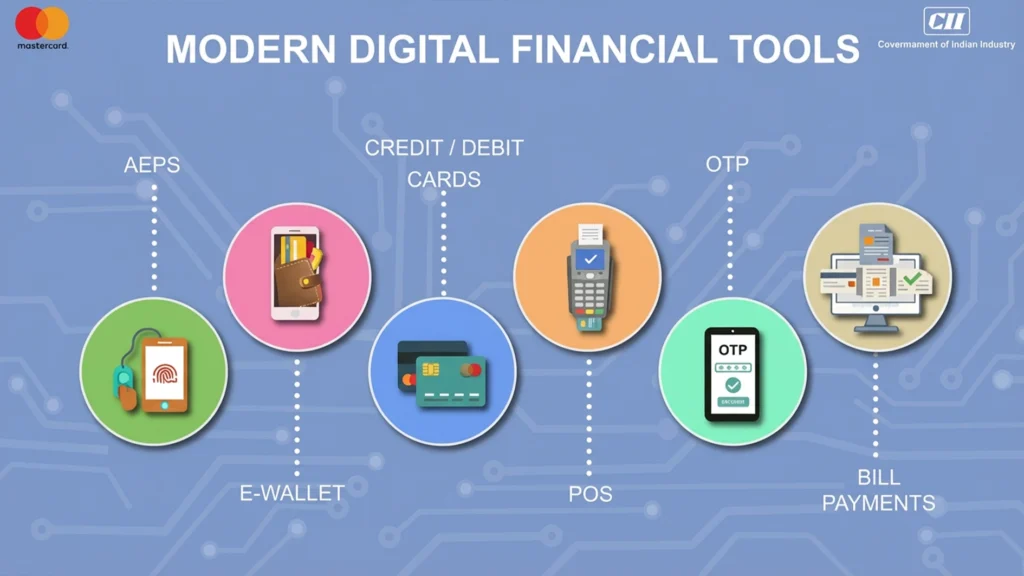
NDPC Raises Alarm Over Coordinated Cyber Threats
According to the commission, recent technical assessments revealed that organised threat actors are actively targeting Nigeria’s financial ecosystem and other critical digital infrastructure. These attacks are not random. They are coordinated efforts designed to exploit weak security systems and gain unauthorised access to sensitive data.
Officials described the attackers as persistent and sophisticated, using advanced techniques to bypass existing safeguards. The situation has prompted the commission to issue what can best be described as a nationwide alert to organisations handling personal and financial data.
At the heart of the warning is a clear message: data security in Nigeria is no longer optional. It is a critical responsibility that requires immediate and sustained attention.
The advisory also reinforces the growing recognition of data as a strategic national asset. President Bola Tinubu has previously described data as “the new oil,” underlining its importance to national development and economic growth.
New Compliance Pressure Under Data Protection Law
The commission reminded organisations that compliance with the Nigeria Data Protection Act 2023 is not just a regulatory formality but a legal obligation. Any failure to meet the required standards could result in penalties, legal liabilities, or reputational damage.
The law places responsibility squarely on data controllers and processors, including government agencies, financial institutions, telecom companies, and digital platforms. These entities are expected to demonstrate accountability in how they collect, process, store, and protect personal data.
To strengthen compliance, organisations are now being urged to appoint certified Data Protection Officers, conduct regular data protection impact assessments, and implement structured privacy policies.
This regulatory push reflects a broader shift in Nigeria’s digital governance landscape, where enforcement is becoming stricter and expectations higher.

Security Measures Organisations Must Implement Immediately
In practical terms, the advisory outlines several critical steps that organisations must take without delay. These include deploying multi-factor authentication systems, adopting zero-trust security architecture, and strengthening identity and access controls.
There is also a strong emphasis on system hardening. Organisations are expected to patch vulnerabilities promptly, segment their networks, and secure APIs, cloud infrastructure, and databases against intrusion.
Regular vulnerability assessments and penetration testing have also been highlighted as essential practices. These measures help organisations identify weaknesses before attackers can exploit them.
In addition, the commission stressed the importance of continuous monitoring, encryption, and secure credential management. These are no longer considered advanced practices but baseline requirements in today’s threat environment.
The message is clear. Cybersecurity must move from a reactive approach to a proactive and preventive one.
Wider Implications for Nigeria’s Digital Economy
Beyond immediate security concerns, the warning has broader implications for Nigeria’s digital future. A major cyber breach in the financial sector could undermine public trust, disrupt services, and slow down digital adoption across key industries.
Already, related developments are emerging within the telecom sector. MTN Nigeria recently suspended its Xtratime service to comply with new digital lending regulations, signalling how regulatory shifts are reshaping digital services.
At the same time, efforts are underway to strengthen the national cybersecurity infrastructure. Initiatives like the deployment of Domain Name System Security Extensions are aimed at protecting users from online threats such as phishing and data interception.
These parallel actions show that Nigeria is not only responding to threats but also attempting to build a more resilient digital ecosystem.
However, experts agree that the success of these efforts depends largely on how well organisations implement security measures at the operational level. Policies alone cannot prevent cyber attacks without proper execution and continuous monitoring.
For businesses, the stakes are high. A single breach can lead to financial losses, legal action, and long-term damage to brand reputation. For government institutions, the risks extend to national security and public confidence.
As cyber threats continue to evolve, the NDPC’s warning serves as a timely reminder that safeguarding data is now central to Nigeria’s economic stability and digital transformation journey.
Join Our Social Media Channels:
WhatsApp: NaijaEyes
Facebook: NaijaEyes
Twitter: NaijaEyes
Instagram: NaijaEyes
TikTok: NaijaEyes