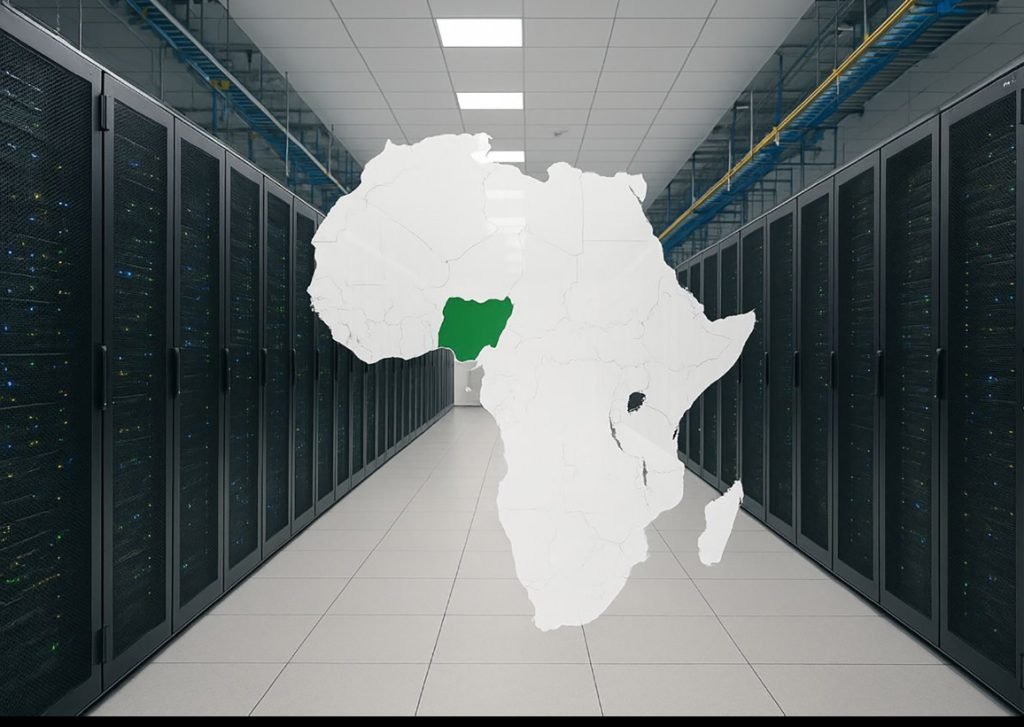
Nigeria’s data centre sector is emerging as one of the fastest-growing investment landscapes in Africa, with analysts predicting a dramatic surge in value and capacity through to 2031. The latest Nigeria Data Center Market Growth Report 2026-2031 reveals that the market, currently valued in the hundreds of millions, is projected to reach well over a billion dollars by the end of the forecast period. This expansion, driven by both global investors and local demand for digital services, is rapidly reshaping Nigeria’s technology and digital ecosystem, as reported by Global News Wire.
In 2025, the Nigerian data centre market was estimated at around USD 288 million. But with fresh capital inflows, strategic partnerships and increased demand for cloud computing and colocation services, it is expected to hit nearly USD 1.09 billion by 2031. That reflects a compound annual growth rate of close to 25 per cent, one of the strongest in the West African technology sector.
What this means for Nigeria is more than just bigger balance sheets for investors. A robust data centre market will anchor technology infrastructure, secure jobs in the information and communications technology sector, and help Nigerian enterprises operate in a highly competitive digital environment. Lagos remains at the heart of this transformation, serving as the industry’s strategic hub due to its connectivity, business density and growing population of tech professionals.
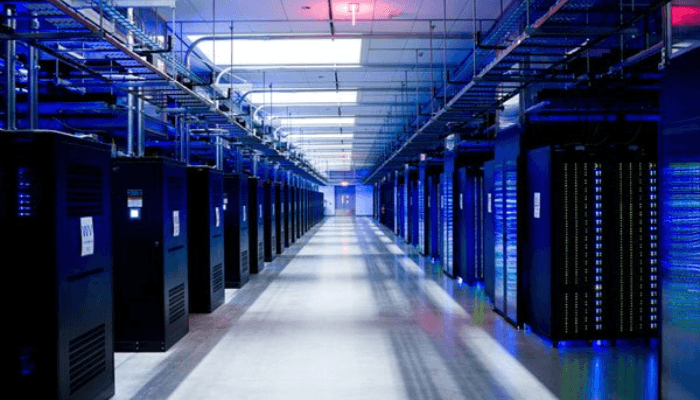
Table of Contents
Steady Rise in Colocation and Digital Investment
One of the most notable shifts in Nigeria’s digital landscape is the growth in third-party colocation data centres. These are facilities where businesses and cloud providers rent space and infrastructure to house their servers and IT systems. At present, Nigeria hosts roughly 20 of these centres, with the majority in Lagos. However, a new wave of investors is rapidly expanding this footprint, not just in Lagos but also in other commercial centres.
Among the leading operators are large global names such as Africa Data Centres, Digital Realty, Equinix and Rack Centre. Local and regional firms like 21st Century Technologies and Open Access Data Centres are also making their mark, while newer entrants such as Kasi Cloud, UniCloud Africa and BDIC are intensifying competition. Together, these companies are building Nigeria’s digital backbone and offering better choices for businesses that rely on local data storage and processing.
Retail colocation services currently dominate the Nigerian market. This segment caters to individual businesses that need secure hosting without the overhead of building and maintaining their own facilities. Industries such as media and entertainment, tourism, education, healthcare, oil and gas, and retail have been particularly active in adopting these services.
At the same time, demand for wholesale colocation is rising. This trend reflects the growing influence of cloud computing, where large global providers and hyperscalers look to host significant portions of their workloads in major markets like Nigeria. As enterprises digitise their operations, demand for scalable, reliable, and cost-effective cloud solutions is pushing this demand higher.
Connectivity and Infrastructure: Nigeria’s Competitive Edge
One of the key enablers of this growth is Nigeria’s connectivity infrastructure. The country now hosts eight operational submarine cables, which are essentially high-capacity internet highways that link Nigeria to global networks and improve broadband speeds while reducing latency. These undersea lines are critical for cloud services, streaming, real-time applications and international business operations.
However, Nigeria’s submarine cable network is not without its challenges. In March and April of 2024, several West African cables suffered disruptions that significantly impacted internet access and cloud reliability across the region. Events such as the International Submarine Cable Resilience Summit in Abuja in 2025 highlighted the urgency of strengthening resilience in this infrastructure. Importantly, Nigeria’s Glo-1 cable, first deployed in 2010, performed reliably throughout the disruption, showcasing the value of strong, well-maintained infrastructure.
Aside from international connectivity, internal infrastructure development is also progressing. Nigeria’s shift toward cloud computing and digital services has prompted investments in power systems, cooling technologies and advanced networking equipment. These components are essential for modern data centres, which require enormous amounts of electricity and precise environmental control to ensure secure and reliable operations.
Support infrastructure providers have responded to this growing demand. Major global brands like ABB, Caterpillar, Cummins, Eaton and Schneider Electric are now active in Nigeria, offering services that range from backup power solutions to climate control systems and ongoing facility maintenance. These partnerships not only improve operational stability but also reduce the risk of downtime and data loss.

Digital Transformation and Future Outlook
Beyond physical infrastructure, Nigeria’s broader digital transformation agenda is feeding directly into the data centre market boom. With businesses and government agencies prioritising digitisation, demand for secure data storage and computational resources is increasing. Cloud services, big data analytics, artificial intelligence and digital platforms are now key drivers of economic activity across sectors.
Tech giants and multinational companies are also focusing on Nigeria as a strategic market. For example, Microsoft launched an initiative in early 2025 to train one million Nigerians in artificial intelligence skills. This programme aims to build local capacity in cutting-edge technologies and enhance Nigeria’s competitiveness in the global digital economy. Experts estimate that artificial intelligence alone could add as much as USD 15 billion to Nigeria’s GDP by 2030, further stimulating investment in supporting digital infrastructure.
On the vendor side, Nigeria’s data centre ecosystem includes providers of IT hardware such as servers, network equipment and storage solutions. Companies like Cisco, Dell Technologies, IBM, Lenovo and Huawei play significant roles in equipping facilities with the systems needed to handle high-volume data workloads. Their involvement underscores Nigeria’s position as both a consumer and contributor to the global digital supply chain.
Engineering and construction firms are also central to this growth story. They manage the design and build phases of new data centres, incorporating modular and prefabricated solutions to accelerate construction timelines. Collaborations between contractors, consultants and regulatory authorities help ensure that these facilities meet stringent safety, environmental and power compliance standards.
Looking ahead, the trajectory for Nigeria’s data centre market remains strong. Several emerging trends point to continued growth. Cloud adoption is expected to rise further as businesses move away from traditional on-premise IT systems. Hyperscale facilities that serve large-scale applications will also expand, driven by the needs of global cloud providers and enterprises alike. Investment in AI-ready infrastructure, as seen in other markets, could become a key differentiator for Nigeria in the coming years.
Conclusion
The Nigeria Data Center Market Growth 2026-2031 report paints a picture of a dynamic and rapidly evolving industry. From its current valuation of a few hundred million dollars to a projected billion-plus market, the sector is paving a new era for the country’s digital economy. Investors, both domestic and international, are increasingly recognising Nigeria’s strategic advantages, from connectivity and talent to growing demand for digital services.
The impact of this expansion will be felt across Nigeria’s economy. Businesses will benefit from faster, more reliable data services. Digital skills programmes will help develop a workforce ready for the challenges of tomorrow. And the country’s reputation as a digital hub in West Africa will continue to strengthen as technology infrastructure grows in scale and capability.
Nigeria’s data centre market is more than just a commercial opportunity. It is a cornerstone of the nation’s broader digital transformation, offering promise for economic growth, innovation, and long-term competitiveness on the global technology stage.
Join Our Social Media Channels:
WhatsApp: NaijaEyes
Facebook: NaijaEyes
Twitter: NaijaEyes
Instagram: NaijaEyes
TikTok: NaijaEyes