Nigeria is taking major steps to transform its national energy landscape. The Midstream and Downstream Gas Infrastructure Fund is currently backing roughly 200 gas infrastructure projects across the country.
Executive Director Oluwole Adama announced this initiative during an industry briefing in Abuja. He explained that these government-backed investments aim to tap into Nigeria’s estimated 200 trillion cubic feet of proven natural gas reserves. Consequently, this initiative will expand domestic processing, transport, and distribution networks.
Also Read Cooking Gas Prices Drop for Households in Abuja
The Backstory Behind Nigeria’s Gas First Mandate
For decades, Nigeria relied heavily on crude oil exports while flaring huge amounts of associated natural gas. However, recent economic shifts and global energy transitions prompted a major policy redirect toward gas-led industrial development.
In 2021, the Federal Government enacted the Petroleum Industry Act, establishing specialized funding mechanisms like the MDGIF. Furthermore, President Bola Tinubu appointed Oluwole Adama as Executive Director in December 2023 to spearhead this transition. Adama, an industry expert with decades of petroleum engineering experience, was tasked with directing capital into critical midstream infrastructure.
Driving Domestic Power and Industrial Growth
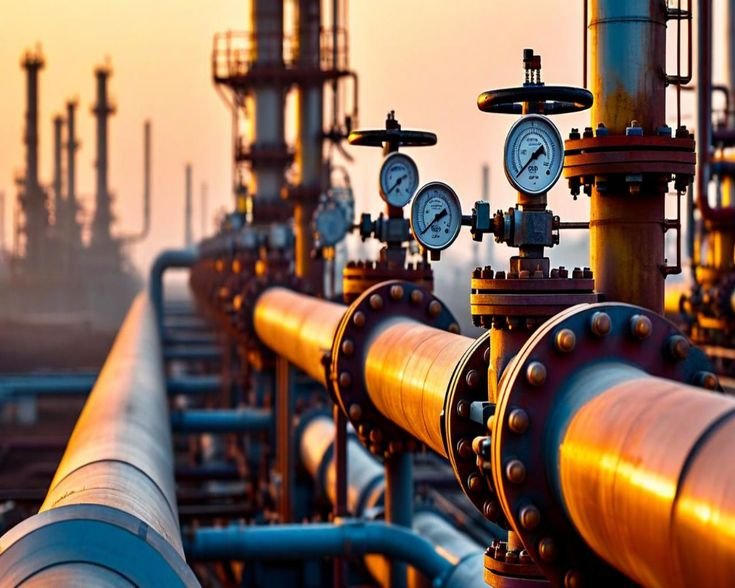
Expanding domestic processing capacities remains central to Nigeria’s long-term economic strategy. Currently, inadequate pipeline networks and limited processing plants prevent industrial hubs from receiving steady gas supplies.
By financing about 200 gas infrastructure projects, the government aims to solve these bottlenecks:
- Power Generation: Delivering natural gas directly to domestic thermal power plants to improve grid stability.
- Compressed Natural Gas (CNG): Expanding CNG refilling stations nationwide to offer cheaper alternative transport fuel.
- Industrial Feedstock: Supplying petrochemical, fertilizer, and manufacturing industries with reliable energy sources.
What The Future Holds for Energy Investors
Unlocking these vast natural gas reserves will significantly boost Nigeria’s economic resilience. Local and international private investors are being encouraged to co-finance key distribution facilities alongside federal initiatives.
Ultimately, strengthening domestic gas processing capacity positions Nigeria as a major regional energy hub while fostering sustainable industrial expansion.