
Nigeria is positioning artificial intelligence and digital transformation as important drivers of its economic ambitions, as attention turns to the growing opportunity for African countries to build stronger technology ecosystems.
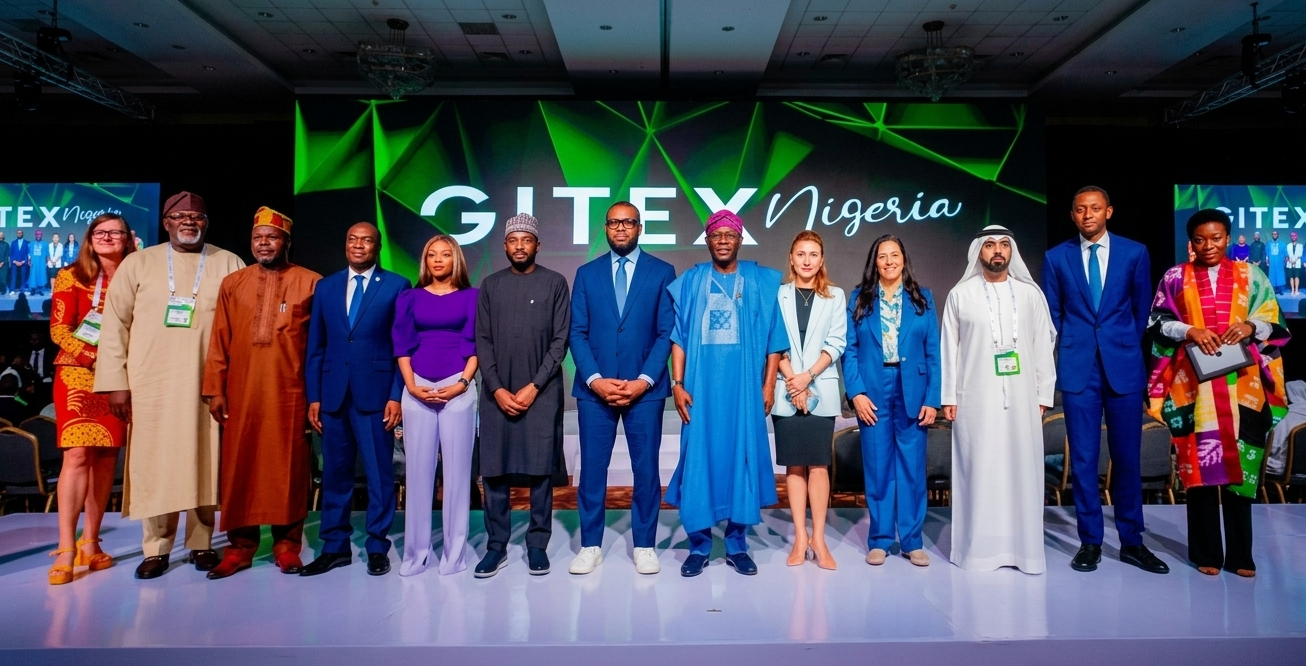
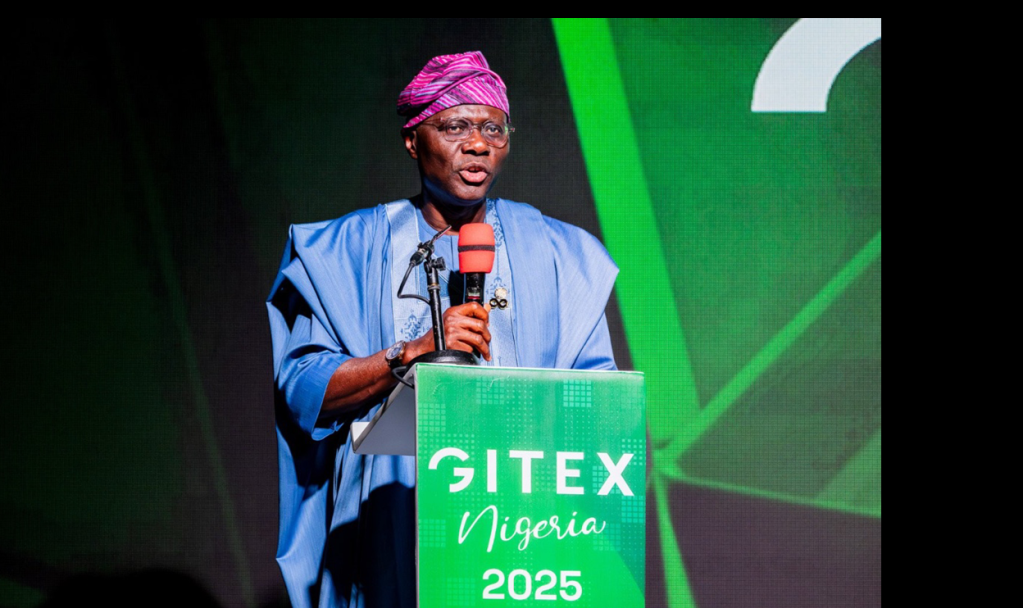
The conversation has gained momentum around GITEX Nigeria, which is bringing government officials, technology companies, startups, investors and other players in the digital economy together to discuss how technology can support Nigeria’s development.
The stakes are becoming increasingly significant. A recent African Development Bank report estimates that inclusive deployment of artificial intelligence could generate as much as $1 trillion in additional gross domestic product across Africa by 2035. The figure represents close to one third of the continent’s current economic output.
For Nigeria, Africa’s largest economy by population and one of the continent’s strongest technology markets, the opportunity presents both a major economic opening and a reminder that the country must strengthen the foundations required to benefit from AI.
Nigeria’s Digital Transformation Ambition
The GITEX Nigeria platform is being positioned as a meeting point for businesses, government and technology innovators working around artificial intelligence, cloud computing, cybersecurity, fintech, digital infrastructure and emerging technologies.
The 2026 edition is scheduled to take place across Abuja and Lagos from August 31 to September 3. The programme is expected to include a Government Leadership AI Summit, a startup festival, a technology and future economy conference, as well as a dedicated future of finance programme.
GITEX Nigeria has also connected the country’s digital transformation agenda with the Federal Government’s ambition to build a $1 trillion economy by 2030. Its 2025 programme brought global technology companies including IBM, Meta and MTN into discussions around talent development, digital infrastructure and the wider digital economy.
This is important because Nigeria’s technology story is no longer limited to startups building payment platforms. The country’s digital economy increasingly covers artificial intelligence, health technology, agricultural technology, education technology, cybersecurity, financial services and enterprise software.
The next stage will depend on whether Nigeria can turn that innovation into productive economic activity at scale.
Also Read: Nigeria Targets Bigger Share of Africa’s $1 Trillion AI Economy
Back Story: Africa’s $1 Trillion AI Opportunity
The $1 trillion figure comes from an African Development Bank study examining how artificial intelligence could improve productivity and economic performance across the continent.
According to the report, inclusive AI deployment could add up to $1 trillion to Africa’s GDP by 2035. The projected gains are expected to come from improvements in productivity, labour efficiency and the ability of businesses and public institutions to adopt AI across important sectors.
Agriculture is expected to account for the largest share of the potential gains, followed by wholesale and retail, manufacturing and Industry 4.0, finance and financial inclusion, and health and life sciences. Together, those five sectors could capture about 58 percent of the projected AI gains, equivalent to roughly $580 billion.
The opportunity therefore goes beyond building sophisticated AI companies. For African economies, some of the biggest benefits could come from using existing AI technologies to make everyday businesses and public services more productive.
For Nigeria, that could mean smarter agricultural systems, improved financial services, better healthcare delivery, more efficient businesses and new opportunities for young people with digital skills.
Infrastructure and Skills Will Determine Nigeria’s Gains
The excitement around artificial intelligence must, however, be matched with investment in the infrastructure that makes the technology useful.
A recent International Monetary Fund analysis warned that Sub-Saharan Africa could capture only a small portion of AI’s potential economic benefits without improvements in electricity, internet connectivity and digital skills. The IMF estimates that AI could increase the region’s economic output by about 4 percent over the next decade if these foundations are strengthened. Without significant reforms, the gains could be as low as 0.2 percent.
This challenge is particularly relevant to Nigeria. Artificial intelligence requires reliable electricity, affordable internet, computing capacity, data infrastructure and people who know how to build and use the technology.
GITEX Nigeria therefore arrives at an important moment. The bigger question is not simply whether Nigeria can attract global technology companies or host major technology events. It is whether those engagements can translate into stronger local companies, better skills, more investment, useful AI applications and jobs.
Nigeria already has a large and energetic technology community. What it needs now is an ecosystem capable of moving from adoption to production.
If the country gets the fundamentals right, Africa’s AI opportunity could become more than another impressive economic projection. It could become a practical pathway for businesses, governments and young Africans to create new value.
For Nigeria, the message from the growing GITEX conversation is clear: the race for the AI economy has already started, and the countries that build the right infrastructure, skills and policies will be better positioned to capture the opportunity.
Also Read: AI Could Become Africa’s Biggest Education Opportunity Yet