

Nigeria’s Federal Government says reforms in public procurement have helped it save more than N1.5 trillion in about 18 months, as authorities intensify efforts to reduce waste, block leakages and improve value for money in government contracts.
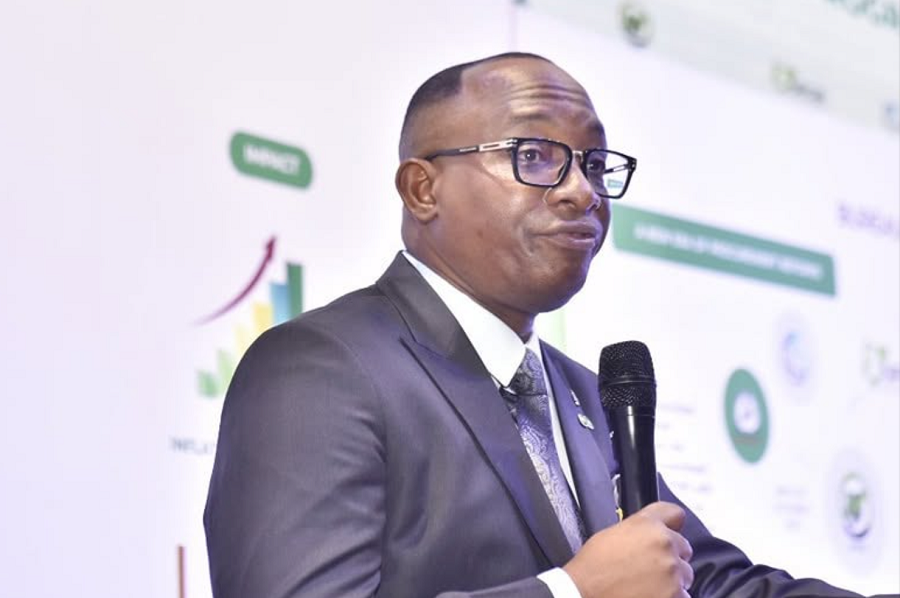
The figure was disclosed by the Director-General of the Bureau of Public Procurement (BPP), Dr Adebowale Adedokun, who said the savings were achieved through tighter price benchmarking, digital compliance and stricter controls over procurement activities.
The latest disclosure comes as the government faces increasing pressure to make limited public funds go further, particularly amid competing demands for infrastructure, social services and other development projects.
According to the BPP, N1.1 trillion was saved during the first 11 months of 2025, while a further N400 billion was saved between January and June 2026. The figures were attributed to changes in procurement policies, benchmarking and measures designed to prevent funds from being lost through inflated prices and procedural weaknesses. The Guardian reported on the BPP’s latest figures.
The government says the money should be viewed as funds retained through better procurement rather than fresh revenue generated by the state.
Also Read: Nigeria Moves Closer to Sovereign Cloud as NITDA and Budget Office Launch Technical Committee
Digital procurement is helping to tighten government spending
A major part of the procurement reforms is the move away from manual processes towards digital systems.
Adedokun said the BPP no longer accepts procurement documents submitted manually. Government agencies are now expected to submit documents virtually, a change the agency believes can reduce opportunities for manipulation and make procurement activities easier to monitor.
The BPP has also strengthened its use of price benchmarking. This means proposed contract prices can be assessed against appropriate benchmarks before government funds are committed.
The approach covers transactions involving the naira as well as foreign currencies, including dollars and euros, according to the BPP.
The bureau is also tightening the circumstances under which government agencies can use selective tendering. Adedokun said procuring entities should advertise contracts where applicable instead of spending excessive time seeking approval for restricted procurement processes.
The objective is to make government contracting more competitive and reduce the room for practices that can increase project costs.
Nigeria has been developing its wider electronic procurement infrastructure as part of this transformation. The BPP identifies the e-Government Procurement system, Nigeria e-Market and improved contractor databases among initiatives supporting the reform agenda. Nigeria’s Federal Ministry of Information and National Orientation previously reported the BPP’s N1.1 trillion savings in 2025.
Back story: Why Nigeria is changing its procurement system
Public procurement is one of the most important channels through which government converts budget allocations into physical projects and services.
Nigeria’s Bureau of Public Procurement was established under the Public Procurement Act 2007 to regulate public procurement and promote transparency, competition and value for money.
The scale of government spending makes effective procurement particularly important. The BPP has been working on a National Procurement Strategy intended to provide a more unified framework for procurement reforms across Nigeria.
The latest savings claim also puts the current reforms into perspective. Adedokun said the N1.1 trillion saved in the first 11 months of 2025 was significant compared with approximately N2.2 trillion saved through government procurement between 2007 and 2025.
In other words, the amount reported for a relatively short period represents a substantial share of the savings previously recorded over many years.
The reform is also attracting attention from civil society groups, which are pushing for stronger public scrutiny of procurement. Advocates argue that transparency should not stop with federal agencies, particularly because substantial public resources are also controlled by state and local governments.
What the N1.5 trillion savings could mean for Nigerians
For ordinary Nigerians, the most important question is not simply how much government says it has saved, but what those savings eventually achieve.
If procurement reforms prevent inflated contracts and reduce unnecessary expenditure, the government could have more resources available for infrastructure, healthcare, education, roads and other public priorities.
The move towards digital procurement could also make government contracting easier to track. When documents are submitted electronically and procurement activities leave digital records, there can be a stronger trail for regulators, auditors and other stakeholders to examine.
There is already evidence that Nigeria’s procurement reforms are moving beyond policy statements. The BPP has reported progress in electronic procurement and other digital initiatives designed to improve efficiency and transparency.
Still, the N1.5 trillion figure should not be treated as the end of the story. The effectiveness of the reforms will depend on whether the controls are consistently applied across government agencies and whether violations are properly addressed.
For Nigerians, the real measure of success will ultimately be visible in the quality and cost of public projects. Saving money during procurement is valuable, but ensuring that the money left in government coffers translates into completed projects and better public services is the bigger goal.
Also Read: OpenAI Launches ChatGPT for Teens With Stronger Safety Controls and Learning Tools