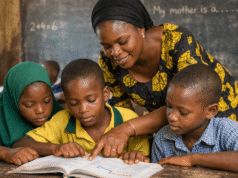
Nigeria’s classrooms are under pressure as schools, teachers, and communities increasingly bear the burden of education reform in ways that were never part of official plans. While policymakers and educationists talk about innovation and reform at high-level meetings, the reality in many parts of the country is that progress is measured by what parents pay, what teachers improvise, and what learners endure day after day. This growing gap between policy ambition and classroom reality is not just unwelcome news; it is shaping the future of millions of Nigerian children right now.
In 2026, the narrative around education reform should have been about breakthrough improvements, robust funding and measurable outcomes. Instead, it has become a story of classrooms asking too much of teachers and parents, with schools left to shoulder costs that government policies only talk about. From crowded learning spaces to underpaid teachers and outdated tools, the Nigerian education system is being reshaped by circumstances rather than strategic investment and careful implementation.
This article explores the deep structural issues at play, why so much of the burden has fallen on classrooms, and what Nigerians from all walks of life are experiencing as the country attempts to reform its education sector for a rapidly changing world.
Table of Contents
Schools paying the price of underfunded reform
Public investment in education in Nigeria has long lagged behind international standards. UNESCO recommends that countries allocate between 15 and 20 per cent of national budgets to education. Nigeria’s budgets consistently fall far short of this mark, often allocating well under 10 per cent to the sector. This chronic underfunding has tangible consequences for schools and learners. When government funding is limited, the direct costs of keeping classrooms functional begin to shift to the very communities they are meant to serve.
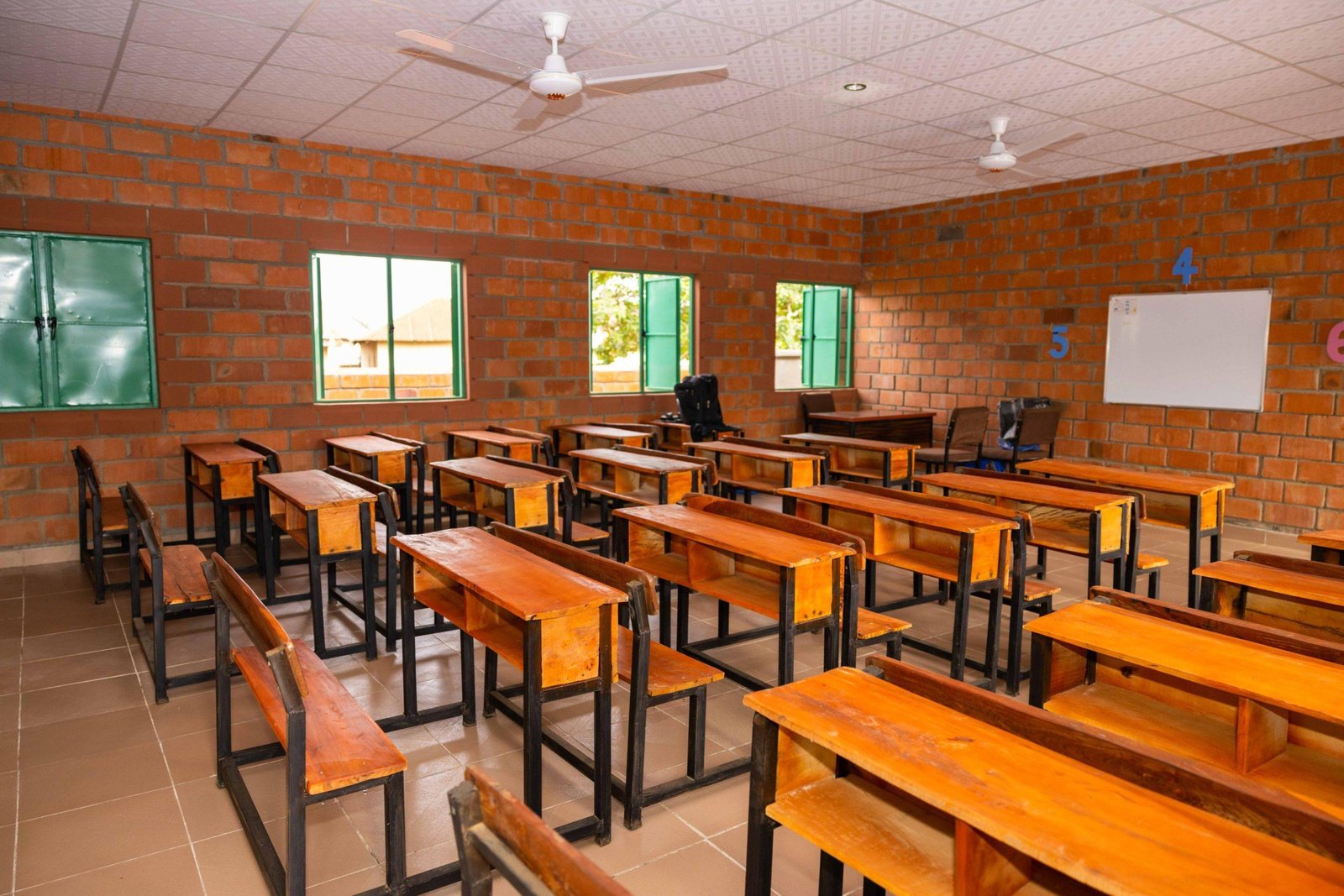
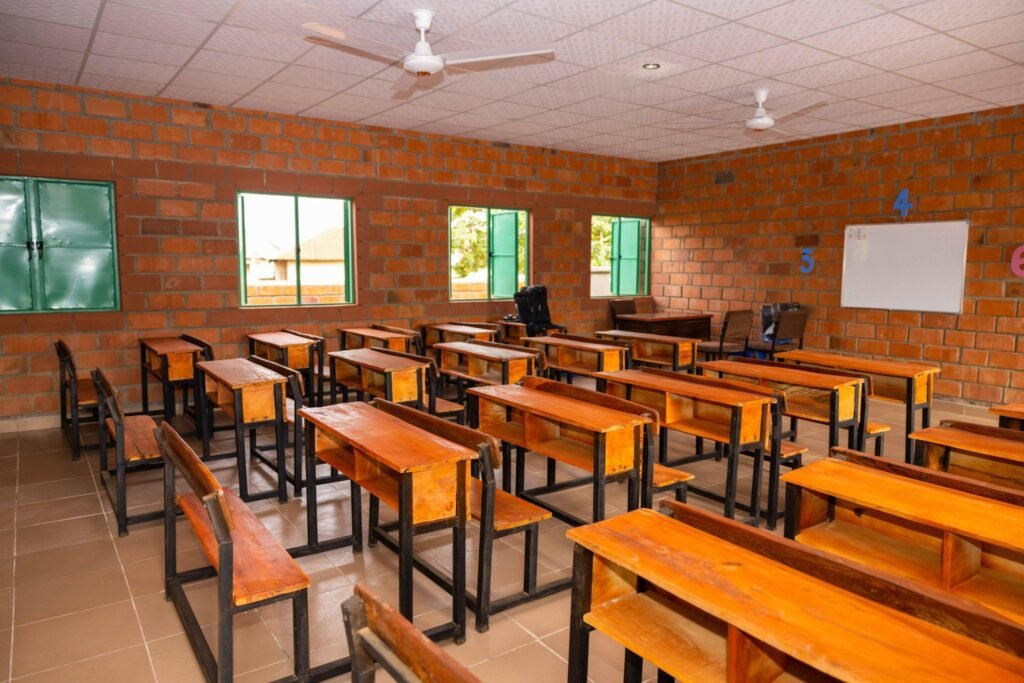
At the core of this strain is the fact that many schools simply do not have enough classrooms to accommodate the number of pupils enrolled. Overcrowding is now the norm in many urban and rural schools. In some cases, student-to-classroom ratios stretch beyond 60 or even 80 pupils per room, making it extremely difficult for teachers to manage lessons effectively and give students the attention they need.
These conditions are not just numbers on a page. They affect how a child learns, how a teacher performs and how parents perceive the value of formal education. Overcrowded classrooms tend to be noisy, distracting and unable to support meaningful interaction between pupils and teachers. Without the basic space and breathing room for learning, both educators and students are forced into survival mode rather than growth mode.
Compounding the classroom squeeze is the lack of basic infrastructure. Many schools operate without reliable electricity, potable water, adequate sanitation or equipment for science and digital learning. These aren’t luxuries; they are prerequisites for a learning environment that meets 21st-century expectations. In places where classrooms are literal shelters rather than structured buildings, learning becomes a by-product of endurance rather than engagement.
Parents feel the pinch too. With public schools unable to provide sufficient teaching and learning materials, many guardians find themselves paying out of pocket for textbooks, examination preparation tools, school uniforms, transport and even classroom maintenance. While private schools offer alternatives for some families, this option remains out of reach for many Nigerians, especially those in low-income and rural communities. Parents have reported being pushed to make difficult choices between basic household needs and education costs, with some withdrawing children from school entirely when the financial burden grows too heavy.
Teachers stretched beyond instruction
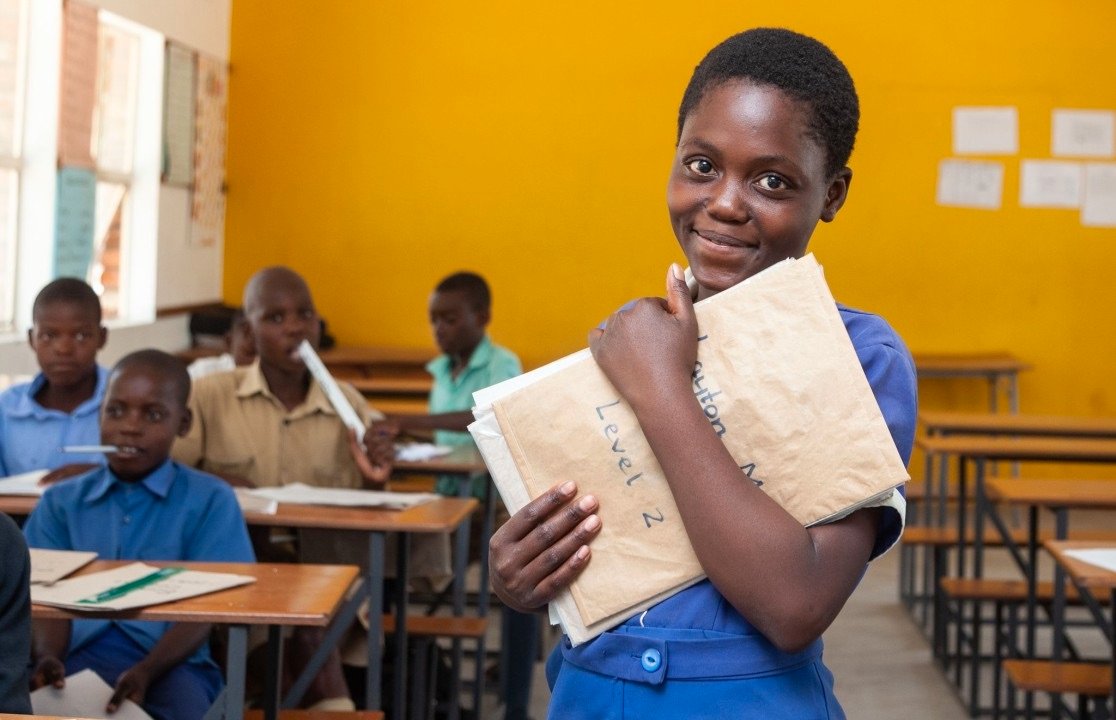
Teachers in Nigeria are at the frontlines of this cost-bearing reality. While reforms often call for teachers to take on new roles such as curriculum designers, technology integrators and data managers, the basic conditions under which many teachers work remain unchanged. In many schools, teachers are expected to deliver high-quality instruction despite enormous class sizes, scarce teaching aids and limited professional development opportunities.
One of the most glaring issues is wages and motivation. Many educators receive salaries that are not commensurate with their workload or societal expectations. This reality has a direct impact on teacher morale, retention and the quality of instruction. When salaries are low and working conditions are difficult, it is hard to blame many teachers for seeking alternative income streams or diverting attention away from classroom innovation.
Professional development — an essential component of effective reform — is often inadequate or mismatched with actual needs. Government-sponsored training programmes may be outdated, poorly coordinated or inconsistent, leaving teachers to rely on outdated teaching methods like rote learning. This limits creativity in learning and leaves students ill-prepared for critical thinking or problem-solving needed for the modern economy.
Many educators also bear the cost of supplying basic classroom materials from their own pockets. From chalk and textbooks to improvised teaching aides, teachers work around deficits to keep lessons going. This personal investment reflects both dedication and an indictment of systemic failure.
The absence of meaningful incentives, such as performance-linked pay or comprehensive welfare packages, further diminishes the attractiveness of teaching as a profession. In some areas, the shortage of qualified teachers is so severe that classes are led by underqualified or inexperienced individuals, exacerbating the gulf between reform aspirations and classroom realities.
The hidden effects on learners and communities
Students are at the centre of this unfolding narrative. When classrooms shoulder the cost of reform, learners pay in the most direct ways: crowded desks, outdated textbooks, irregular electricity, minimal digital access, and in some places, no real chairs or desks at all. These conditions warp the learning experience and can deter students from staying in school.
In many communities, children travel long distances to school on foot or pay high transport fees because their local schools do not have the capacity to serve their areas. These transport costs add another layer of expense that families must absorb, often at the expense of other essential needs.
The psychological toll on students cannot be underestimated either. Learning in spaces that are hot, overcrowded, and lacking basic amenities can erode enthusiasm and diminish academic performance. When a learner is constantly uncomfortable, bored, or distracted by poor conditions, the joy of discovery inherent in education is lost. For some, the classroom becomes an obstacle rather than an opportunity.
Unequal access to technology and digital learning tools further deepens divides. Where hybrid learning is introduced as a reform measure, many schools lack the infrastructure to support it effectively. Reliable internet, functional devices and skilled facilitators are still out of reach for a majority of public schools. This uneven rollout of digital tools risks widening inequality rather than bridging it, leaving some students even further behind.
The effects ripple beyond schools into the broader community. When learners are disengaged or underprepared, their prospects for higher education and employment diminish. This undermines the national ambition to build a competitive workforce, link education to economic outcomes, and reduce unemployment through skill development.
Rethinking reform for classrooms and communities
The dominant narrative of education reform in Nigeria needs a reset. It must shift from an abstract focus on policy language and projected innovation to tangible cash flows, functional infrastructure and measurable improvements within classrooms. The classroom should not be a site of sacrifice but a hub of empowerment.
First, increased and targeted funding is non-negotiable. Budgetary allocations to education must rise to levels that can support both infrastructure and instructional quality. This includes building more classrooms, hiring and training teachers, and providing teaching and learning materials that meet contemporary demands. Partnerships with the private sector, philanthropic organisations and international donors can help bridge gaps, but government leadership and accountability are essential.
Second, teacher welfare must be prioritised. Raising salaries, improving working conditions, and offering continuous, relevant professional development will help retain talent and enhance instructional quality. Teachers must be recognised as central to reform success, not as peripheral actors expected to fill systemic voids with personal resources.
Third, curriculum reform needs to align with real-world needs. Nigeria’s economy and global trends demand skills in critical thinking, problem solving, digital literacy, and vocational competence. Updating curriculum frameworks and integrating digital learning in ways that are inclusive and supported by adequate infrastructure will equip students for modern challenges.
Finally, community engagement must be strengthened. Schools are part of communities, and meaningful reform should involve parents, local leaders, and students themselves. When communities have a voice in how schools are run and how resources are allocated, reform becomes more sustainable and responsive to local needs.
Nigeria’s classrooms should be spaces where children grow, not where they struggle to survive. If the true cost of education reform continues to fall on the shoulders of those least equipped to bear it, the promise of a brighter future will remain deferred.
The education crisis in Nigeria is not only about budgets or policy documents. It is about the everyday realities of learners and educators who stand in front of chalkboards, under leaking roofs, and with limited resources. Turning the tide will require bold steps, shared responsibility, and a determination to ensure that classrooms do not just bear the cost of reform but benefit from it in measurable ways.
Join Our Social Media Channels:
WhatsApp: NaijaEyes
Facebook: NaijaEyes
Twitter: NaijaEyes
Instagram: NaijaEyes
TikTok: NaijaEyes
READ THE LATEST EDUCATION NEWS