In a development that spotlights Nigeria’s growing commitment to equipping young people with future-ready skills, more than 90 secondary school students in Lagos have received hands-on training in artificial intelligence and digital literacy. The initiative is part of a larger push to narrow the digital divide and prepare young Nigerians for the jobs of tomorrow in technology and innovation.
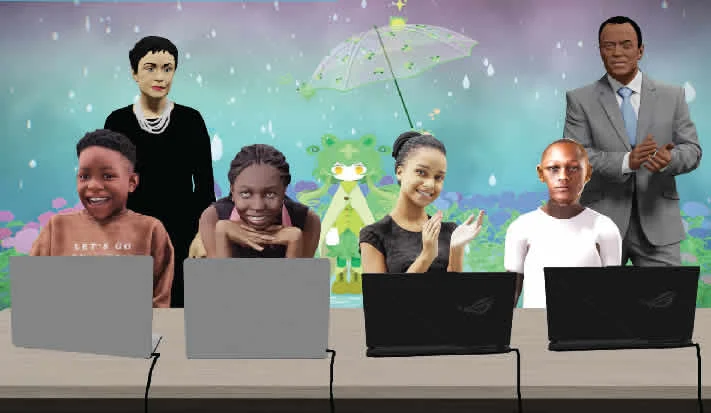
On Tuesday, students from State Senior Secondary School, Oyewole in Agege gathered for an immersive programme that introduced them to the fundamentals of artificial intelligence, machine learning, and practical computer skills. The event was made possible by the Ajoke Ayisat Afolabi Foundation, in collaboration with the World Bank under its Community Connections Campaign Projects across Nigeria.
At the heart of this programme is the belief that early exposure to digital tools and emerging technologies can unlock new opportunities for young Nigerians as the global economy becomes increasingly tech-driven. Participants came from different classes within the school, chosen for their enthusiasm and potential to share their learning with peers. The hope is that as these students return to their classrooms, they will help broaden the impact of the training across their wider school communities.
One school administrator described the training as a significant boost to efforts aimed at enhancing student learning outcomes and employability. Students praised the initiative, sharing that their new skills had opened their eyes to what’s possible and given them confidence to pursue careers in fields previously beyond their reach.
A Growing Movement in Digital Education
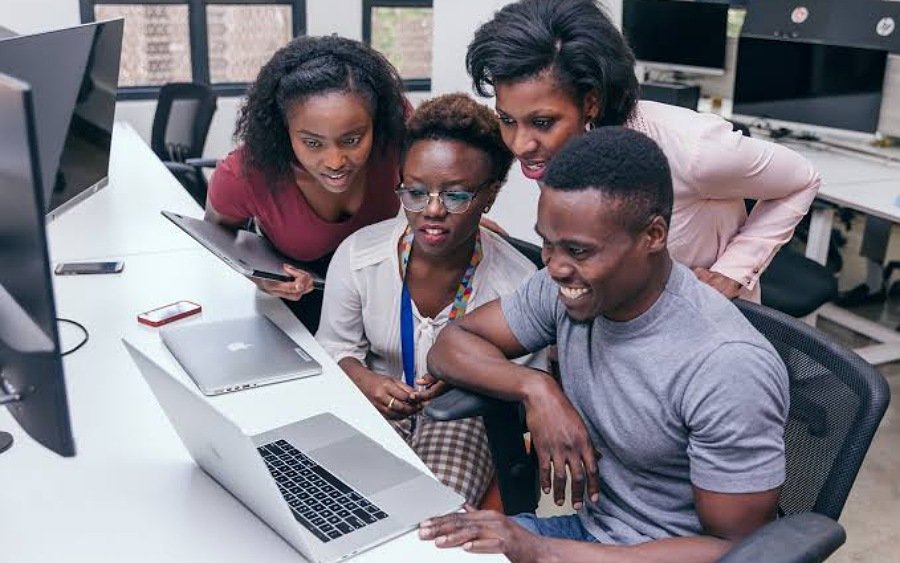
The Lagos training is not happening in isolation. Across Nigeria, a series of programmes are emerging to help young people, especially students and recent school leavers, build valuable skills in artificial intelligence and related areas. These efforts reflect a broader recognition that traditional classroom learning must evolve to keep pace with technological change.
For instance, different organisations are mobilising resources to offer free AI and digital skills training. One foundation recently announced plans to empower 1,000 students in Ikorodu, Lagos, with AI productivity and mental resilience skills. Programmes like this aim to equip participants not just with technical knowledge but also the confidence and emotional tools to transform ideas into real opportunities.
Similarly, there is ongoing momentum at the federal government level to expand Nigeria’s AI capacity. Plans have been underway for initiatives such as a national AI academy designed to offer open-access courses on AI fundamentals and real-world applications to young people and civil servants. Such schemes are part of a broader agenda to position Nigerian students and professionals at the forefront of technological innovation across Africa.
Amid these efforts, educators and policymakers are increasingly talking about embedding digital skills into formal school curricula so that students from an early age can build strong foundations in technology. Reports have highlighted government plans to integrate subjects like AI, cybersecurity, blockchain, and other emerging technologies into university and secondary school learning pathways.

Real Benefits for Lagos Students
Back at State Senior Secondary School in Agege, the impact of the recent AI training is already clear. Students were selected for their curiosity and willingness to learn and were recognised for their engagement and enthusiasm. Two outstanding participants were acknowledged at the end of the programme for their active contributions during the sessions.
The organisers and sponsors also donated essential equipment, including a laptop, projector, and screen to help sustain digital learning at the school. This donation will support continued access to technology-enhanced teaching and learning long after the initial programme ended.
Teachers and school leaders welcomed the intervention, noting how it has expanded the horizons of students who are often limited by scarce resources and outdated learning materials. With practical exposure to technology experts and real-world applications of artificial intelligence, the experience has helped fuel students’ ambition and underscored the role digital skills play in shaping futures.
Looking Ahead
The Agege training adds to a series of outreach efforts by the Ajoke Ayisat Afolabi Foundation that aim to empower young learners across Lagos and beyond. Schools in Badagry, Epe, Ifako Ijaiye, Alimosho and even parts of neighbouring Ondo State have hosted similar sessions. Altogether, organisers estimate that nearly 600 students have benefited from the expanded digital education initiative so far.
As demand for tech talent grows both in Nigeria and globally, initiatives like these are becoming increasingly vital. Students who gain early exposure to AI and digital tools are better positioned to pursue careers in fields like data science, software development, robotics and beyond. They also gain transferable skills such as problem solving, logical thinking and digital fluency that enhance employability in virtually every industry.
The Nigerian education landscape is shifting in response to these global trends. From grassroots training sessions in local schools to ambitious national AI programmes and discussions around curricular reform, there is a clear push to ensure that Nigeria’s youth are not left behind in the digital revolution. With continued collaboration between foundations, international partners and government bodies, the pathway for young Nigerians to participate meaningfully in the digital economy is becoming clearer and more accessible.
In Lagos and across the country, students are now glimpsing what the future of work might look like for them, and they are preparing to meet that future head on with new skills, confidence and a sense of possibility.
Join Our Social Media Channels:
WhatsApp: NaijaEyes
Facebook: NaijaEyes
Twitter: NaijaEyes
Instagram: NaijaEyes
TikTok: NaijaEyes