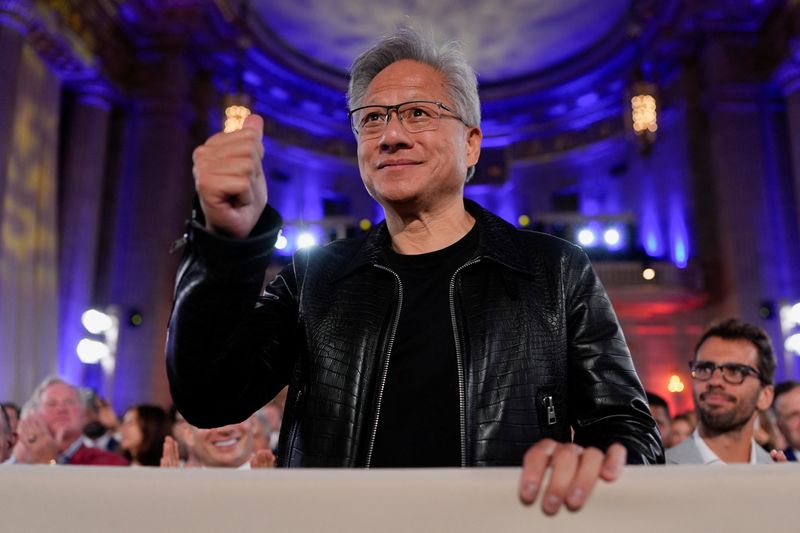

According to an official report published on the company’s website, NVIDIA has reinstated co-founder Jensen Huang as president and chief executive officer, reversing a decision made less than two weeks ago. The board voted unanimously on November 23, 2026, to restore him as CEO and a director, effective immediately. It ends a leadership crisis at an AI chip supplier.
The reversal tests the board’s independence, NVIDIA’s founder dependence and its succession planning.
A board reversal in eleven days
Huang resigned on November 12. NVIDIA appointed Chief Financial Officer Colette Kress interim CEO. Five days later, chairman Harvey Jones said the board did not intend to reinstate him. On November 23, directors reversed that position after discussions with Huang, citing confidence in his candour and leadership.
NVIDIA said it received input from senior US government officials and concluded that Huang’s return posed no national-security risk. It did not identify the officials or explain their assessment. Reuters reported that President Donald Trump had urged the board to bring Huang back; NVIDIA has not said Trump directed its decision.
Also Read: Musk Assures Continued Orders of Nvidia Chips for SpaceX AI and Tesla
The business continued during the transition
Huang co-founded NVIDIA in 1993 and has led it since. He is associated with its shift from gaming graphics chips to accelerated computing and AI infrastructure. The company’s results show the scale of the organisation beyond one executive.
On November 17, while Kress was interim CEO, NVIDIA reported revenue of $115.8 billion for the quarter ended October 25, up 103 per cent year on year. Data-centre revenue reached $107.6 billion, up 110 per cent. The reporting period ended before Huang’s resignation, so the results cannot be credited to Kress’s interim tenure. They demonstrate the business that must operate through any leadership change.
Security and governance questions remain
NVIDIA says an independent-director committee, supported by outside counsel, will continue investigating reports that Huang was targeted by a foreign intelligence effort. It has created a National Security and Export Control Committee and begun recruiting a chief compliance officer. Reinstatement has not ended the company’s oversight work.
Huang resigned amid reports about personal relationships, including allegations involving a businesswoman whom US intelligence reportedly suspected of passing information to Beijing. These claims are not proof that Huang knowingly shared company information. China denies the espionage allegation. NVIDIA has announced no such finding; its investigation continues.
Back Story: Why NVIDIA matters beyond Silicon Valley
Founded in 1993, NVIDIA became known for graphics processing units (GPUs), chips that handle many calculations in parallel. That capability made them important for training and running AI systems. NVIDIA now supplies processors, systems and software used by cloud providers and developers.
Its position places the company at the centre of US-China tensions over advanced chips and export controls. NVIDIA’s outlook assumes no data-centre compute revenue from China in the coming quarter. For African universities, startups and businesses using cloud-based AI, chip supply and export rules can affect access to computing capacity. Huang’s return restores leadership; the test is whether stronger oversight and succession planning match NVIDIA’s influence and maintain lasting confidence among customers and regulators worldwide.
Also Read: LG Electronics and Nvidia Explore Partnership on AI, Robotics and Future Mobility