State governments across Nigeria have been handed a firm deadline by the National Senior Secondary Education Commission (NSSEC) to implement newly devised national minimum standards for senior secondary schools. The directive comes as part of broader efforts to overhaul the educational landscape, ensuring consistency in teacher quality, infrastructure, and overall learning environment nationwide.
The Executive Secretary of NSSEC, Dr. Iyela Ajayi, made this announcement during a media briefing in Abuja. He revealed that the Minimum Standards, first launched in February 2025, were already distributed to every state in the Federation. With the clock now ticking, states have been allotted a twelve‑month window to align their senior secondary schools with the benchmarks.

What the Standards Cover and Why They Matter
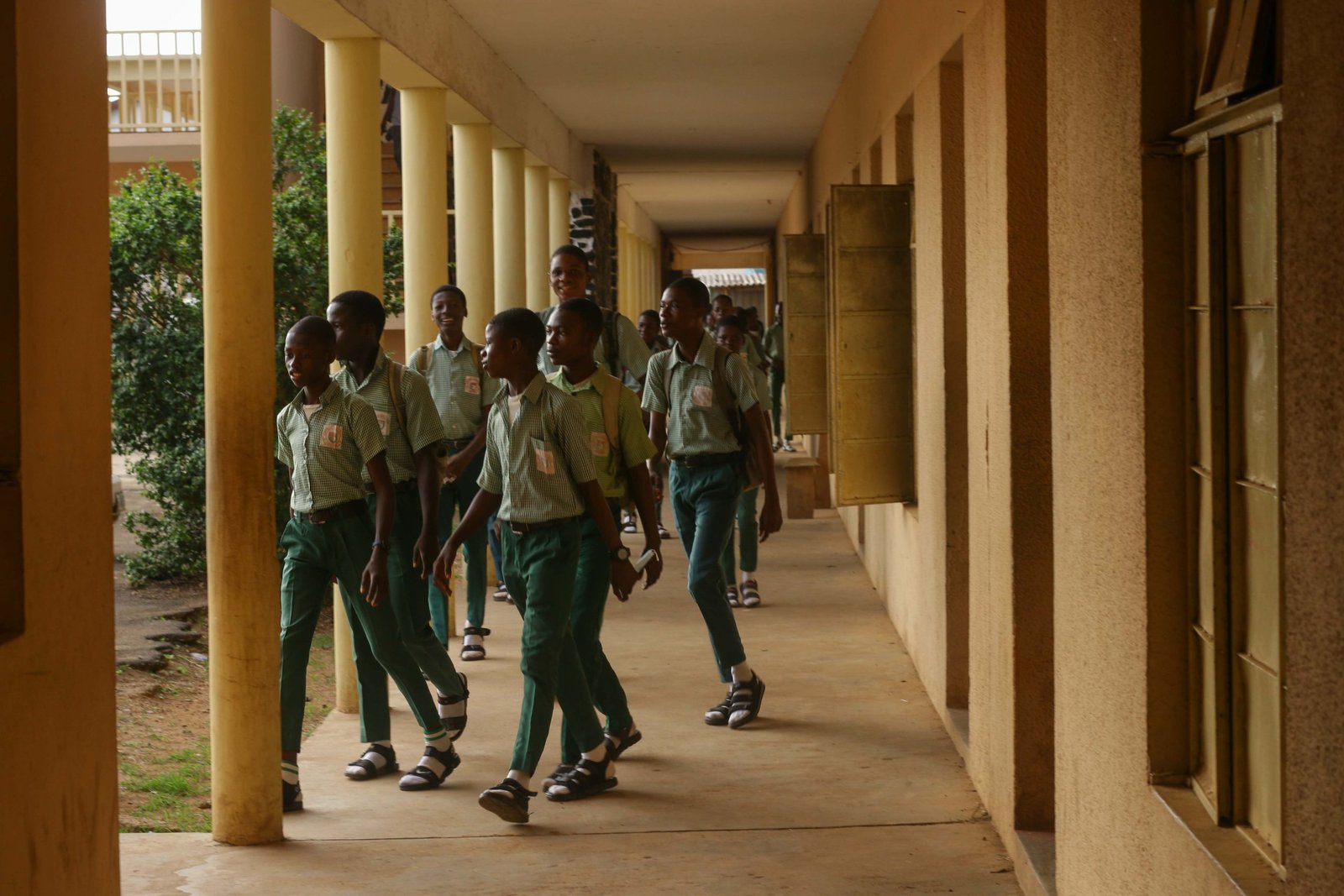
The national framework lays out clear benchmarks across several critical dimensions of education. These include the number of teachers required per school, minimum qualification thresholds for educators, acceptable teacher‑to‑student ratios, and the quality of school infrastructure. Also specified are standards for school buildings, such as classrooms, laboratories, and overall structural quality, to ensure schools are safe and conducive to learning.
Dr. Ajayi emphasised the urgent need for uniformity. He expressed concern about the persistent reality where some students learn under trees or in classrooms without roofs — a situation the new standards aim to eliminate. “Those days must end,” he declared.
Prioritising such basic but essential conditions signals a shift from rhetoric to accountability, affirming that every Nigerian child, regardless of their state or background, deserves access to a decent learning environment.
Supporting Teachers, Digital Learning, and Broader Reforms
Implementing the standards, however, goes beyond infrastructure. NSSEC plans to invest in teacher capacity building, including training programmes for teachers of core subjects like English and Mathematics. Importantly, the Commission is also incorporating modern pedagogical tools: training educators and school administrators in AI‑driven teaching methods.
Beyond personnel development, the reform package includes infrastructure upgrades, ICT integration in schools, and expansion of digital learning opportunities. To kick‑start this, NSSEC has reportedly begun renovating a select number of senior secondary.
The Commission is also working to collaborate with telecom firms to secure subsidised broadband access for schools. There are plans to distribute tens of thousands of tablets to teachers to facilitate computer literacy and enable the teaching of emerging disciplines like robotics, artificial intelligence, and data science.
Challenges Ahead: Funding and Compliance
Despite the bold vision, NSSEC acknowledges the major challenge: funding. While the law that established the Commission mandates the allocation of 2 per cent of the Consolidated Revenue Fund (CRF) for its interventions, Dr Ajayi lamented that not a kobo has been released so far.
Given the scale of reforms — infrastructure upgrades, teacher training, ICT deployment — the lack of funds threatens to stall progress. State governments, many already operating under tight budget constraints, will likely struggle to meet the compliance requirements without financial support.
Moreover, readiness across states may vary. While some might swiftly align their schools to meet standards, others may lag behind, perpetuating regional inequalities. Should enforcement begin after the 12‑month window lapses, strict inspections could uncover significant disparities between states.
The looming question remains: will states act swiftly to reform their schools, or will the lack of resources and bureaucratic inertia frustrate the vision of uniform, quality secondary education?
What This Means for Students, Parents and the Future of Education in Nigeria
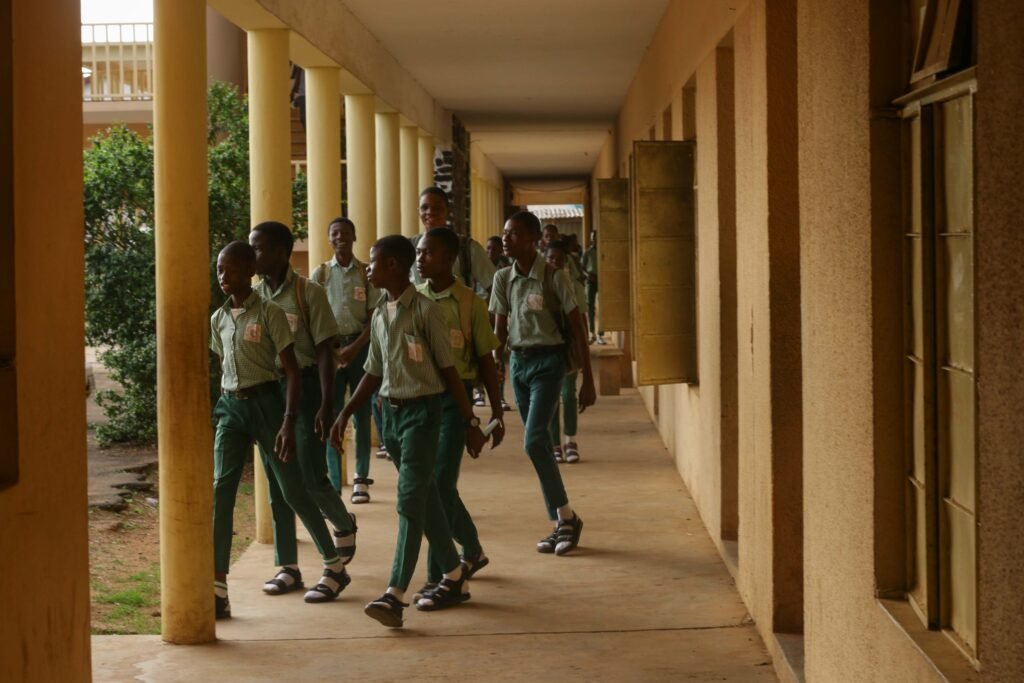
For students and parents, the new minimum standards offer hope. If fully implemented, children across Nigeria could soon enjoy better‑equipped schools, qualified and supported teachers, and more uniform learning conditions, regardless of their home state. This promises a more level playing field, one where a child’s potential is less constrained by where they were born or the state’s resources.
For the education sector at large, it reflects a shift in thinking. The reforms underscore that quality education is not just about curriculum content but also about environment, governance, and future‑ready skills. By emphasising ICT, teaching quality, and structural adequacy, Nigeria is signalling a commitment to preparing its youth for a rapidly evolving global economy.
Yet, all these hinge on one vital factor: commitment, from federal and state governments alike. Without genuine effort, transparent funding, and political will, the minimum standards risk remaining paper aspirations rather than lived reality in classrooms.
As the 12‑month deadline ticks, states must remember that this is more than a regulation; it is the future of Nigeria’s youth at stake. The dream of uniform, high‑quality secondary education across the country now rests on actions, not just announcements.
Join Our Social Media Channels:
WhatsApp: NaijaEyes
Facebook: NaijaEyes
Twitter: NaijaEyes
Instagram: NaijaEyes
TikTok: NaijaEyes
READ THE LATEST EDUCATION NEWS