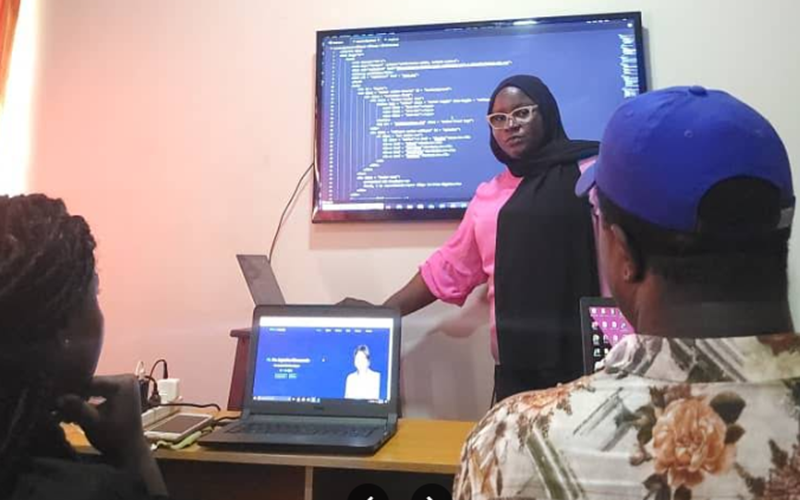
Across Nigeria, a quiet but powerful shift is happening in how teenagers learn technology. Coding bootcamps, once seen as niche training options for adults, are increasingly becoming a gateway for young people eager to enter the digital economy early.
Coding bootcamps are short, intensive programmes designed to teach practical software development skills in a matter of weeks or months, often focusing on real-world projects rather than theory. For Nigerian teenagers, this model is proving especially attractive. It offers a faster, more flexible alternative to traditional education, which often delays exposure to computer science until much later.
This shift is not happening in isolation. Nigeria’s youthful population, growing internet penetration, and expanding tech ecosystem have created the perfect environment for early tech education. Yet, many secondary schools still lack structured programming curricula, leaving a gap that bootcamps are stepping in to fill. Research shows that a significant number of Nigerian students have little or no exposure to programming concepts during their early education, highlighting the urgency of alternative learning pathways.
For teenagers, the appeal is clear. Bootcamps provide hands-on experience, mentorship, and immediate feedback. Instead of waiting years to understand how apps or websites are built, students can start creating within weeks. This sense of early achievement is shaping a new generation of confident young innovators.
Table of Contents

Why Bootcamps Are Gaining Ground Among Teenagers
One of the biggest reasons coding bootcamps are gaining popularity among Nigerian teenagers is their practical approach. Unlike traditional classrooms that prioritise theory, bootcamps emphasise learning by doing. Students build websites, develop simple applications, and collaborate on projects from the start.
This project-based model aligns well with how young people learn today. Teenagers are naturally drawn to interactive and engaging experiences, and coding bootcamps deliver exactly that. Studies on coding camps show that combining interactive tools, quizzes, and real-world tasks significantly improves understanding and engagement among young learners.
Another major factor is accessibility. Many bootcamps now offer online or hybrid options, making it possible for teenagers across different parts of Nigeria to participate without relocating. This is especially important in a country where infrastructure challenges, such as inconsistent power supply and internet connectivity, can limit traditional learning methods.
Affordability also plays a role. While some bootcamps can be expensive, many Nigerian initiatives are introducing flexible payment options, scholarships, or even free programmes to attract young talent. This inclusiveness is critical in ensuring that opportunities are not limited to students from privileged backgrounds.
Parents are also beginning to see coding as a valuable skill for the future. In a rapidly digitising world, early exposure to programming is no longer seen as optional but essential. As a result, more families are encouraging their children to enrol in coding programmes during school holidays or after school hours.
Challenges Facing Teenage Coding Bootcamps in Nigeria
Despite their growing popularity, coding bootcamps for teenagers in Nigeria face several challenges that could shape their future.
One major issue is infrastructure. Reliable electricity and high-speed internet remain inconsistent in many parts of the country. Since coding education relies heavily on digital tools, these limitations can disrupt learning and reduce the effectiveness of bootcamp programmes.
Another challenge is quality control. As the demand for coding education rises, more providers are entering the market. While this increases access, it also raises concerns about the quality of training. Not all bootcamps offer well-structured curricula or experienced instructors, which can affect learning outcomes.
There is also the question of sustainability. Many bootcamps operate as short-term programmes, often lasting between 8 and 36 weeks. While this format is effective for introducing skills, it may not provide the depth required for long-term career development unless followed by continuous learning.
Cultural perceptions also play a role. In some communities, traditional career paths such as medicine, law, and engineering are still prioritised over tech-related fields. Convincing parents and guardians to support coding education for teenagers can sometimes be a challenge, especially when the benefits are not immediately visible.
Finally, there is the issue of scalability. While urban centres like Lagos and Abuja are seeing rapid growth in tech education initiatives, rural areas are still largely underserved. Bridging this gap will be essential for ensuring equal opportunities across the country.
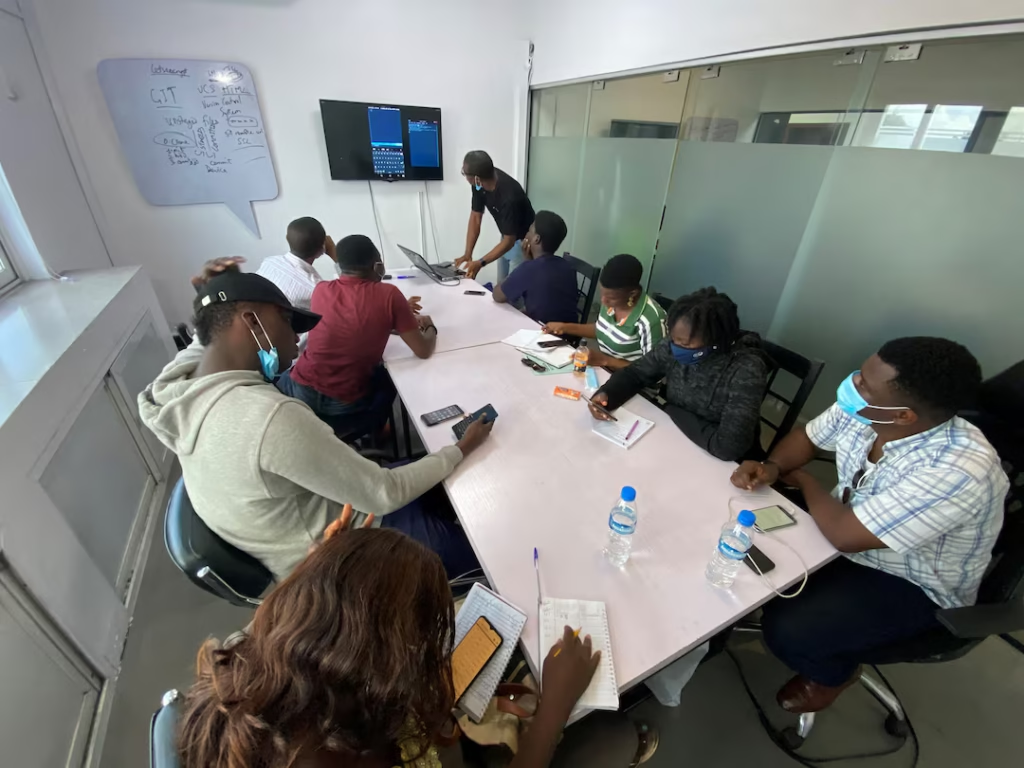
What the Future Holds for Teen Coding Bootcamps in Nigeria
Looking ahead, the future of coding bootcamps for teenagers in Nigeria appears promising, but it will depend on how these challenges are addressed.
One key trend is the integration of emerging technologies into bootcamp curricula. Beyond basic programming, many programmes are beginning to include artificial intelligence, robotics, and data science. This shift ensures that teenagers are not just learning to code, but are also prepared for the future of work.
Another important development is the rise of partnerships. Bootcamps are increasingly collaborating with schools, tech companies, and non-profit organisations to expand their reach and improve quality. These partnerships can provide better resources, mentorship opportunities, and pathways to internships or employment.
Online learning will also continue to play a major role. The success of remote coding programmes during recent years has shown that high quality tech education can be delivered outside traditional classrooms. This model is particularly beneficial for Nigeria, where geographical and infrastructural challenges can limit physical access.
There is also growing recognition of the need for early exposure. More stakeholders are beginning to advocate for coding education to start at the primary and secondary school levels. Bootcamps are likely to complement this shift by offering specialised, intensive training that schools may not be able to provide.
Perhaps most importantly, the success stories of young Nigerian coders are beginning to inspire others. Teenagers who learn to build apps, create games, or solve real-world problems through technology are becoming role models within their communities. Their achievements demonstrate that age is no longer a barrier to innovation.
In the long term, coding bootcamps could play a critical role in shaping Nigeria’s digital economy. By equipping teenagers with relevant skills early, the country can build a strong pipeline of tech talent capable of competing on a global stage.
The journey is still unfolding, but one thing is clear. Coding bootcamps are no longer just an alternative form of education. For many Nigerian teenagers, they are becoming the starting point of a future defined by creativity, innovation, and opportunity.
Join Our Social Media Channels:
WhatsApp: NaijaEyes
Facebook: NaijaEyes
Twitter: NaijaEyes
Instagram: NaijaEyes
TikTok: NaijaEyes