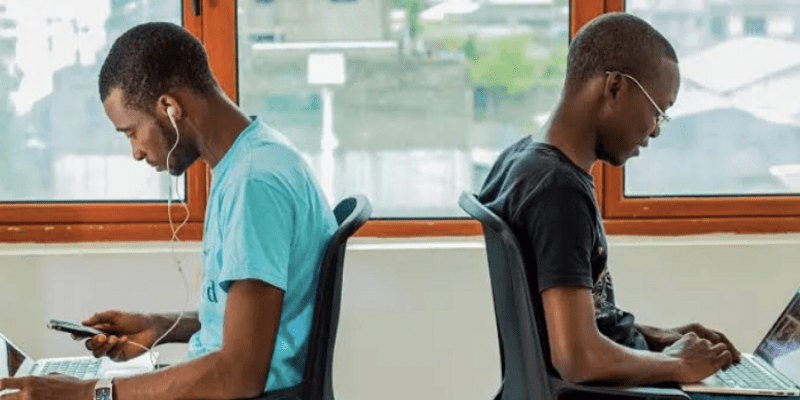
In today’s Nigeria, education is no longer just about classrooms, textbooks, and lecturers. It now lives online. From WhatsApp lecture groups to YouTube tutorials, Zoom classes, and research downloads, the internet has quietly become a compulsory part of learning. But for millions of Nigerian students, this shift has come with a growing financial burden that is rarely discussed openly.
What used to be called “school fees” has expanded into something broader and more complex. The real cost of being educated now includes data subscriptions, devices, and digital tools. And in a country where incomes are stretched, this hidden layer of expenses is shaping who gets access to quality education and who is left behind.
The Hidden Price Students Pay for Online Learning
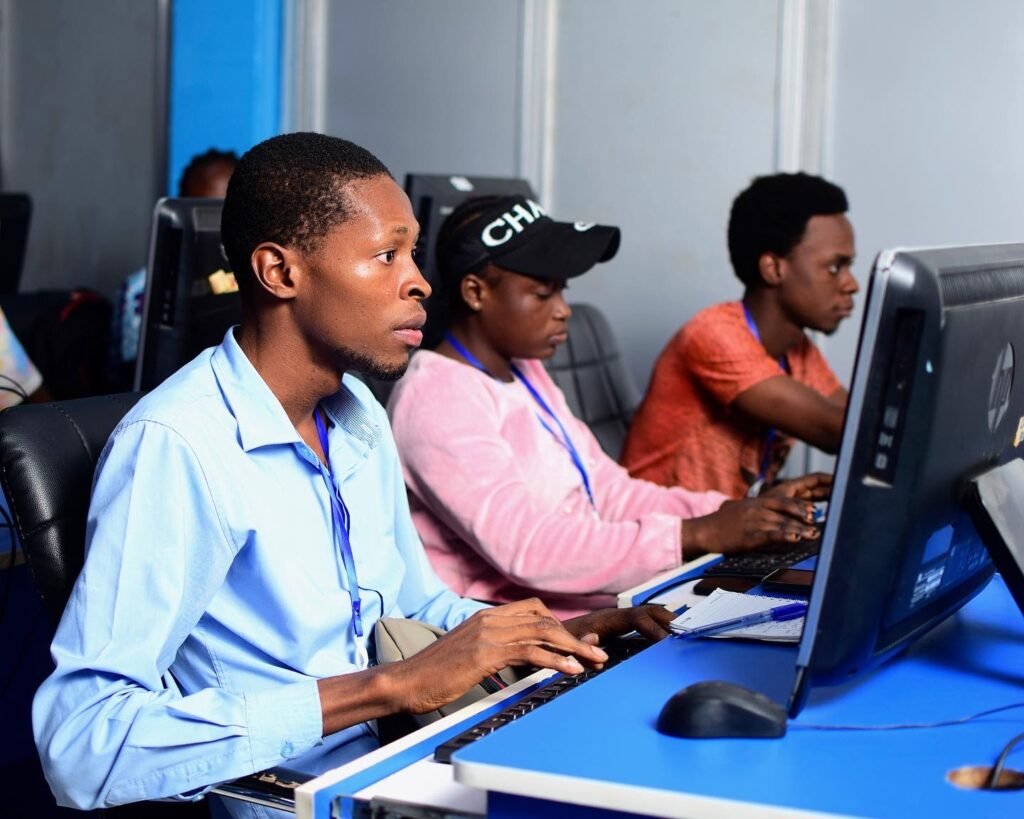
Across Nigeria, students are spending more on internet access than ever before. A typical student today relies heavily on mobile data for nearly every academic activity. Whether it is attending virtual lectures, submitting assignments, or watching recorded lessons, internet usage has become constant.
Estimates show that students can spend between ₦5,000 and ₦15,000 monthly on data alone, depending on their course demands and usage habits. This might seem manageable at first glance, but when placed against the average student allowance, it becomes a significant financial strain.
The reality is even more striking when compared globally. Nigeria ranks among countries with relatively expensive internet access, with broadband costs higher than many parts of the world. For a student who depends entirely on mobile networks, the cost is often higher per gigabyte, especially when streaming lectures or downloading large academic materials.
Beyond data, there is also the issue of devices. A student without a reliable smartphone or laptop is already at a disadvantage. While some manage with entry-level phones, serious academic work increasingly demands laptops, which can cost anywhere from ₦150,000 to over ₦600,000 depending on specifications.
In effect, access to education is no longer just about gaining admission into a school. It is about staying connected.
When Education Is “Cheap” but Learning Is Expensive
Nigeria has long been described as a country where public education is relatively affordable. In many federal universities, tuition fees remain subsidised, sometimes costing far less than what students in other countries pay annually.
However, this narrative is becoming outdated.
While tuition may be low, the total cost of learning has expanded beyond institutional fees. Students now shoulder expenses such as internet subscriptions, digital tools, and communication costs. These are not optional. They are essential.
Studies on higher education costs in Nigeria highlight that students’ financial burden goes far beyond official school fees. Hidden expenses such as communication, materials, and access to learning resources significantly increase the real cost of education.
For many families, this creates a difficult paradox. Education is seen as affordable on paper, but in practice, it demands continuous spending. A student who cannot afford data risks missing lectures, falling behind in coursework, or being unable to participate in academic discussions.
This gap between official affordability and real-life cost is widening inequality within the education system. Students from well-off backgrounds can stay connected without interruption, while others are forced to ration their data, choose which lectures to attend, or rely on borrowed devices.
The Digital Divide in Nigerian Classrooms
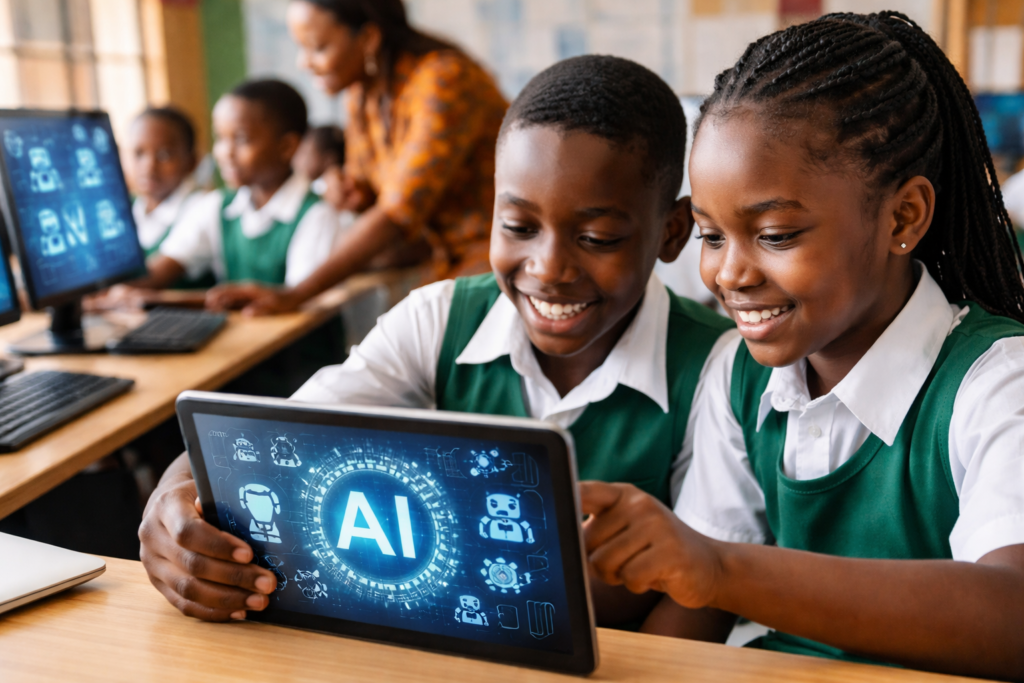
The shift towards internet-based learning has exposed a deeper issue: unequal access to digital resources.
In urban centres, students may have access to relatively stable networks and multiple service providers. But even there, affordability remains a concern. In rural areas, the challenge is even greater, with limited connectivity and fewer options.
The result is a digital divide that is quietly reshaping education outcomes.
Students with consistent internet access can explore beyond their curriculum. They can take online courses, learn new skills, and access global knowledge platforms. Meanwhile, those with limited access are restricted to what they can get offline or through occasional connectivity.
This divide is not just about convenience. It affects academic performance, skill development, and future opportunities.
Education experts have long emphasised that access to knowledge is a key driver of development. In a digital age, that access is increasingly tied to internet connectivity. Without it, students are effectively cut off from a large portion of modern education.
Even safety and awareness come into play. Research on Nigerian adolescents shows that while many young people engage with online platforms, their access is often limited and uneven, influencing how they learn and interact digitally.
A System Under Pressure and the Way Forward
The rising cost of internet access is happening alongside a broader increase in education expenses across Nigeria. Reports indicate that the total cost of educating a child, especially through private schooling, can run into tens of millions of naira over time.
Within this already expensive system, the internet has become an unavoidable addition.
For students, this means that education is no longer a one-time investment paid at the beginning of a semester. It is a continuous financial commitment that extends into daily life.
Addressing this issue requires more than individual effort. It calls for systemic solutions.
Affordable student data plans, expanded broadband infrastructure, and institutional support for digital learning can make a significant difference. Schools and universities also have a role to play by providing offline access to materials where possible and reducing unnecessary data-heavy requirements.
At the same time, there is a need for awareness. Many students are unaware of how their data is consumed, from background app updates to automatic video streaming. Managing usage can help, but it does not eliminate the core problem of high costs.
Ultimately, the conversation about education in Nigeria must evolve. It is no longer enough to talk about tuition fees alone. The internet is now part of the classroom, and its cost is part of the price of being educated.
For a country with a young and ambitious population, ensuring that this cost does not become a barrier is critical. Because in today’s world, being offline is not just an inconvenience. For many students, it is the difference between learning and being left behind.
Join Our Social Media Channels:
WhatsApp: NaijaEyes
Facebook: NaijaEyes
Twitter: NaijaEyes
Instagram: NaijaEyes
TikTok: NaijaEyes