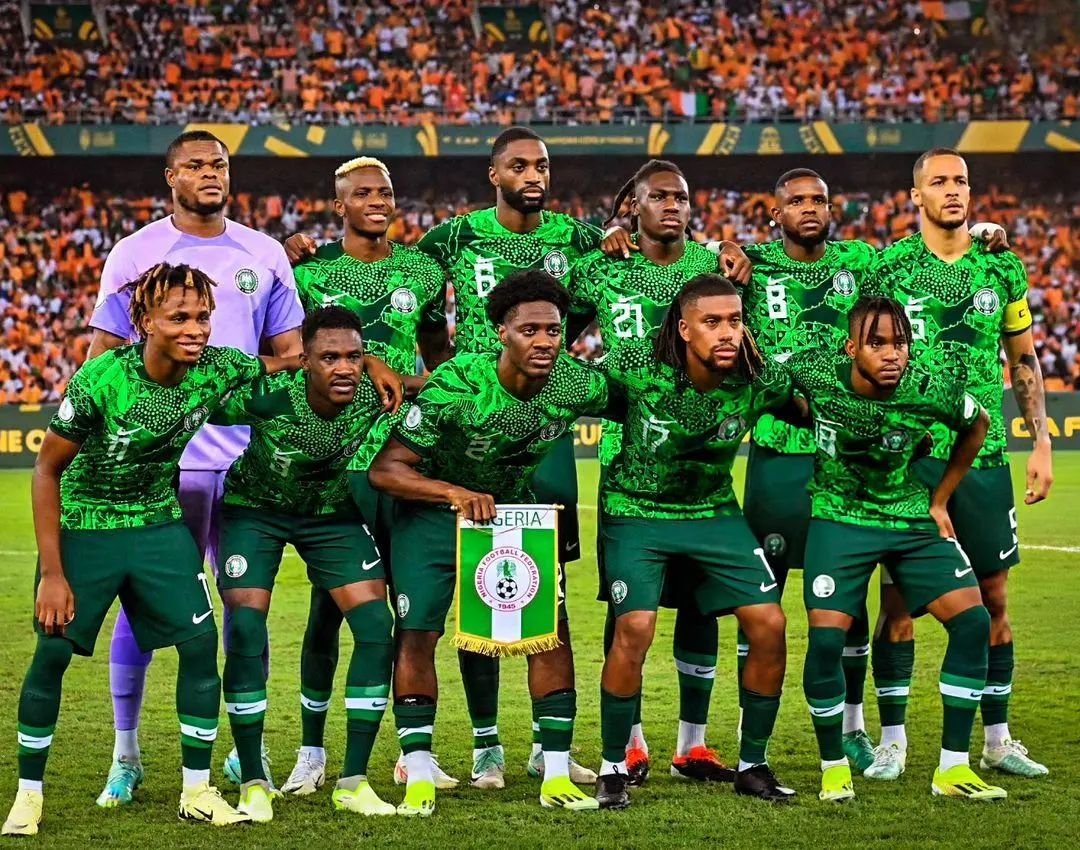

Nigeria’s deep-seated passion for sports has fostered a massive consumer market, yet domestic clubs barely capture its wealth. Millions of local fans tune in weekly to watch European matches, paying for satellite subscriptions, sports betting slips, and official jerseys. Consequently, the N5 trillion football economy Nigeria built fuels European sports clubs rather than supporting local domestic enterprise.
Massive Fan Engagement Drives Foreign Capital Outflow
The sheer volume of local participation explains this massive financial capital flow. Every weekend, thousands of neighborhood viewing centers fill up with passionate supporters who pay admission fees to stream English Premier League and UEFA Champions League fixtures. Furthermore, millions more stream games from home using Pay-TV packages.
Also read Football Legend, Lionel Messi’s Father Jorge Messi Dies at 68
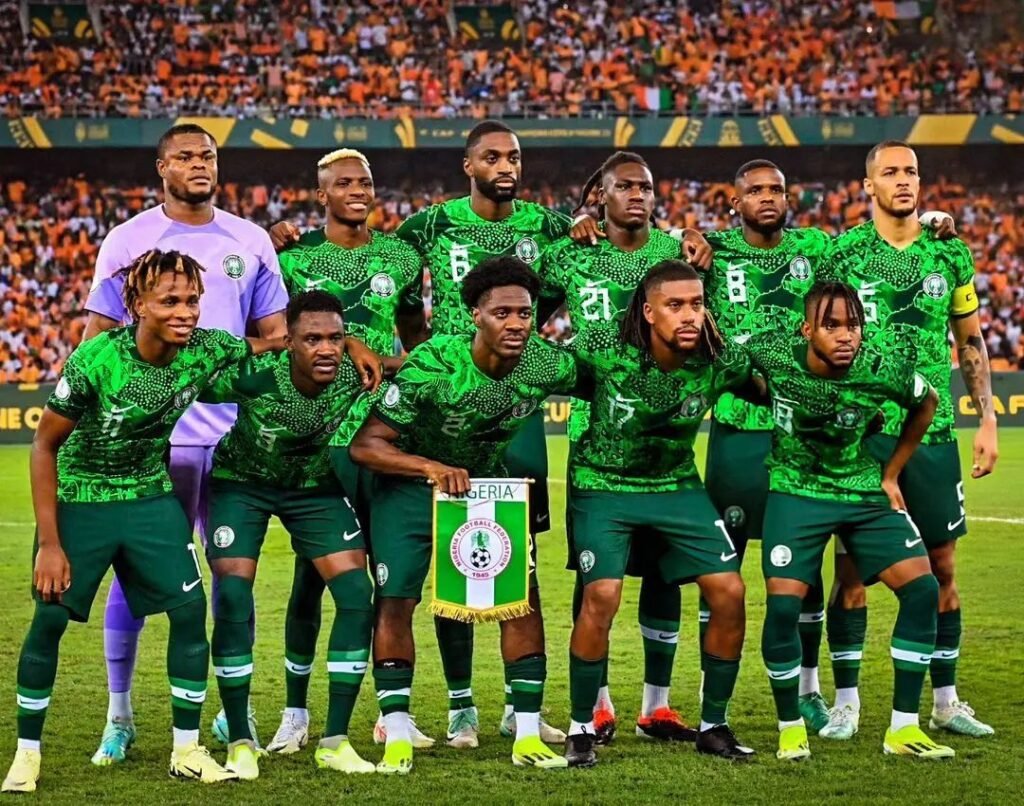
These weekly viewing charges, combined with sports betting stakes and official merchandise sales, accumulate into billions of naira annually. Industry reports from Nairametrics indicate that this multi-trillion naira fan ecosystem enriches overseas broadcasting corporations, foreign team owners, and global sportswear manufacturers instead of funding domestic sports infrastructure.
The Backstory: How Foreign Football Captured Local Passion
To understand how European football gained dominance over Nigeria’s sports economy, one must examine the shifts of the early 1990s. Prior to this period, domestic football enjoyed widespread popularity. Packed crowds routinely filled state stadiums to watch historic local rivalries, such as Shooting Stars FC against Enugu Rangers.
However, three key developments altered this economic landscape permanently:
- Satellite Television Expansion: The mid-1990s rollout of pay-TV services brought pristine European match broadcasts directly into Nigerian living rooms.
- Domestic Infrastructure Decline: Infrastructural decay, irregular scheduling, and administrative friction eroded fan trust in the Nigerian Professional Football League (NPFL).
- Superstar Player Exports: Prominent Nigerian icons like Finidi George, Nwankwo Kanu, and Jay-Jay Okocha joined European clubs, taking local fan loyalties with them.
Building Sustainable Domestic Commercial Models
Retaining local wealth requires a fundamental restructuring of domestic sports management and broadcast rights. Local football administrators must upgrade stadium safety, modernize matchday hospitality, and leverage digital streaming platforms to reconnect with fans.
By improving local stadium infrastructure and broadcasting quality, Nigeria can convert its sports passion into a productive domestic industry. Channelling fan engagement toward local clubs will help retain capital within the national economy, creating sustainable jobs and revitalizing youth sports development across the country.