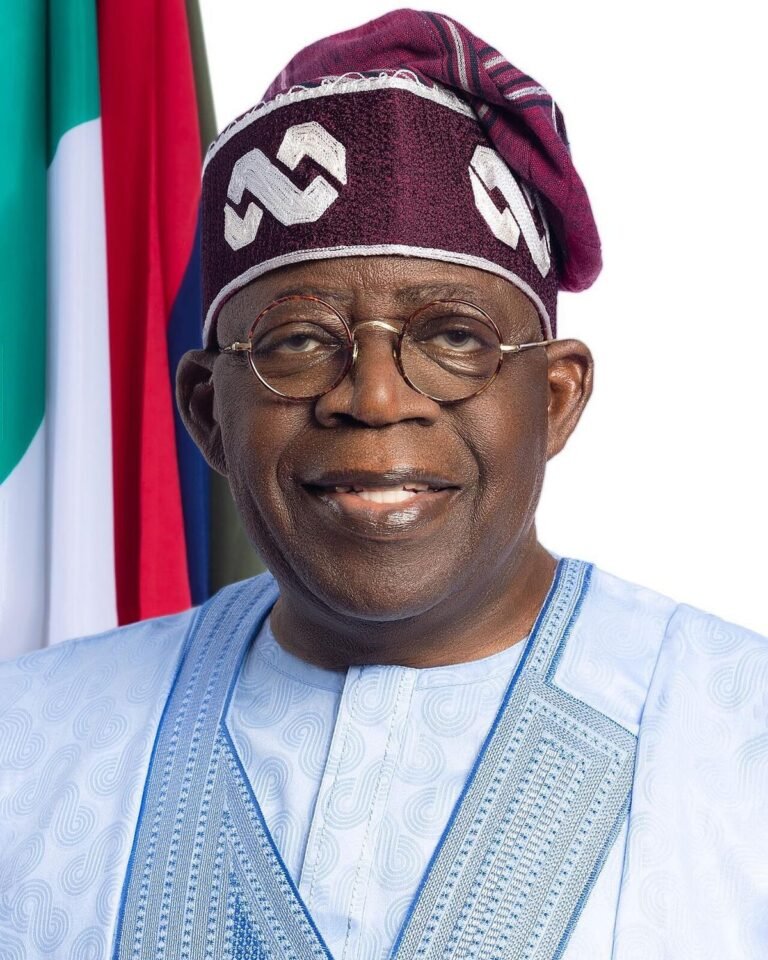
African leaders face growing pressure to protect intra-continental migrants and strengthen homegrown security frameworks. At a major summit, President Bola Tinubu called on the AU to stop xenophobic attacks against foreign nationals. He warned that persistent violence damages continental unity and economic growth.

Speaking through Vice President Kashim Shettima at an assembly in Angola, Tinubu urged member nations to address hostility toward migrants directly. Additionally, he cautioned African countries against relying on foreign mercenaries to solve local security challenges.
Backstory: Decades of Tension and Tragic Human Loss
To understand this diplomatic push, we must examine the long history of anti-immigrant sentiment in southern Africa. Over the last three decades, recurring hostility has targeted foreign workers, small business owners, and traders.
Statistics from Nigerian community organizations in South Africa paint a grim picture. Reports reveal that at least 105 Nigerians lost their lives in targeted violence over a seven-year period. Furthermore, diplomatic tensions flared in mid-2026 when dozens of terrified migrants sought temporary shelter inside the Nigerian High Commission in Pretoria.
Also Read BREAKING: Protesters Invade MTN Office in Abuja Over S’Africa Xenophobic Attacks
While host nations often cite immigration control needs, Nigerian foreign affairs officials maintain that law enforcement must uphold basic human dignity. “Conflict prevention remains more cost-effective and sustainable than managing escalated violence,” Tinubu stated during his address.
How the AU to Stop Xenophobic Attacks Framework Can Work
Bringing lasting peace requires structured dialogue and policy changes across the African continent. According to reporting by Nairametrics, Nigeria formally requested that anti-xenophobia measures be placed on the agenda for the upcoming 40th AU Ordinary Session.
To build safer communities, African leaders are considering several key steps:
- Preventive Diplomacy: Establishing early-warning networks to detect anti-immigrant sentiment before violence erupts.
- Human Rights Enforcement: Ensuring host nations respect migrant rights while enforcing immigration laws.
- Economic Integration: Promoting regional trade agreements that protect cross-border traders and entrepreneurs.
By taking these steps, member states can foster genuine African solidarity rather than division.
Rejecting Foreign Military Interference in Regional Security
Beyond migrant safety, Tinubu addressed the dangerous rise of foreign military contractors across conflict zones. He warned that relying on external forces undermines indigenous peace efforts.
Instead, the Nigerian leader championed the Luanda Action Plan, which prioritizes regional security ownership. By building strong local institutions, Africa can resolve its internal conflicts without depending on outside powers.