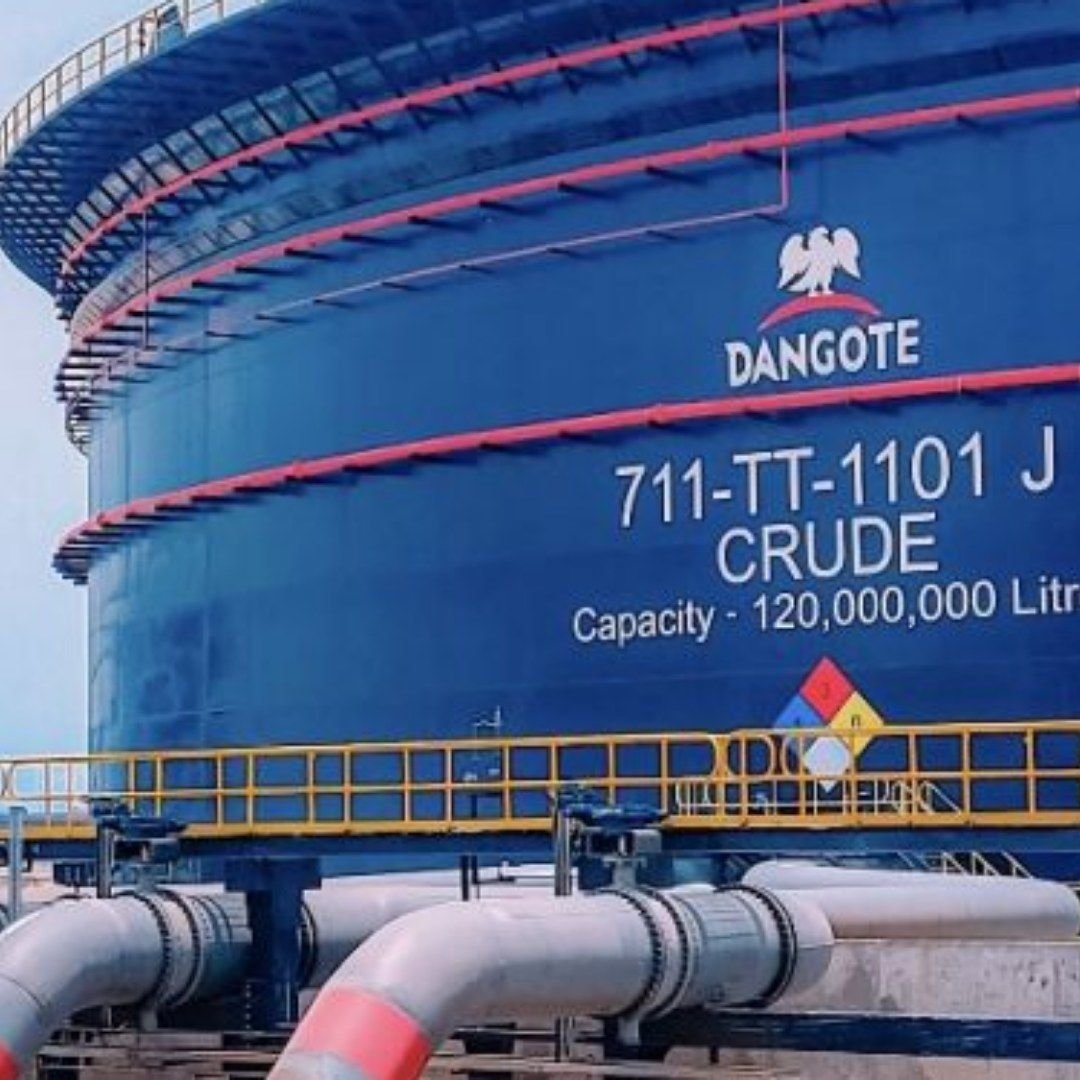

Nigeria’s downstream energy market faces fresh operational friction. Industry insider reports indicate that Dangote Refinery may cut petrol supply to major marketers who continue bringing imported fuel into the country. Management considers restricting supply allocations as early as this week. This decision follows growing worries about product quality and brand integrity.
Furthermore, company leadership fears that continuing imports could undermine domestic refining capacity. Therefore, executives are pushing for stricter operational transparency across local distribution networks.
The Backstory Behind Fuel Blending and Quality Control Concerns
To understand this standoff, we must look at how fuel distribution currently works in West Africa. Dangote Petroleum Refinery operates a massive 700,000 barrel-per-day facility in Lekki. The complex produces refined fuel that meets strict international environmental standards.
However, problems arise after fuel leaves the refinery gates. Industry sources reveal that certain local marketers buy domestic fuel and mix it with cheaper, imported petrol. They store these blended batches in offsite tank farms.
Also read Dangote Refinery Expands Free Fuel Delivery to Kano, Imo, Anambra, Nasarawa
Consequently, the resulting mixture is sold to drivers under the refinery’s brand name. A source close to the plant noted:
“It is difficult to understand why we would invest heavily in producing high-quality petroleum products for Nigerians, only for those products to be mixed with imported products of uncertain quality and the resulting product to be associated with the refinery.”
Additionally, company officials highlighted the lack of standardized testing laboratories at border entry points. Without uniform testing, verifying imported fuel standards remains extremely difficult.
Historical Quality Disputes and Market Expansion
This friction builds on earlier disputes over imported petroleum products. According to reports from Nairametrics, Group Communications Officer Anthony Chiejina voiced similar warnings in November 2024. He called out offshore trading firms for storing off-spec fuel in nearby depots to compete against local refiners.
Despite these distribution headaches, the mega-refinery continues gaining major ground globally. According to the U.S. Energy Information Administration (EIA), Nigeria’s seaborne fuel exports jumped from an average of 79,000 barrels per day in 2023 to 561,000 barrels per day in 2026. Moreover, European buyers now regularly import aviation jet fuel from the Lekki plant over traditional suppliers from the United States and Middle East.
Protecting Domestic Refining Investment
Ultimately, this ongoing dispute highlights the delicate transition from total fuel importation to domestic self-sufficiency. Industry groups, such as the Centre for the Promotion of Private Enterprise (CPPE), have urged regulators to limit fuel import licenses to actual shortfall periods.
By taking a firm stance, Dangote Refinery aims to safeguard its commercial reputation and protect its multi-billion-dollar infrastructure investment.