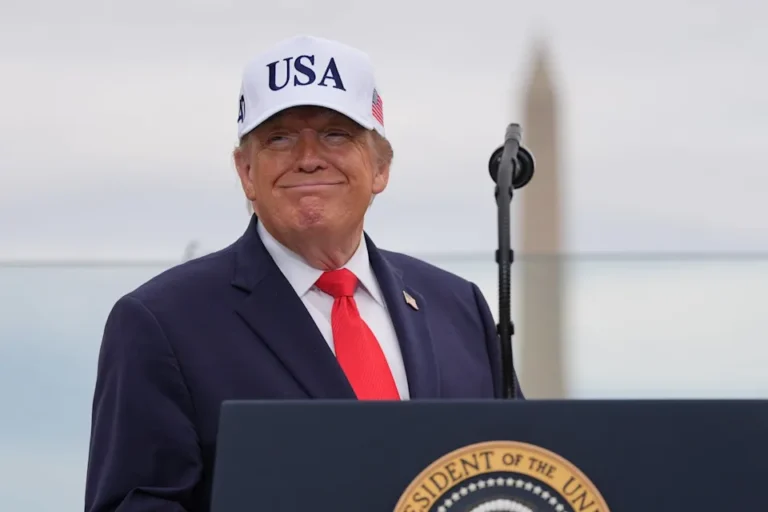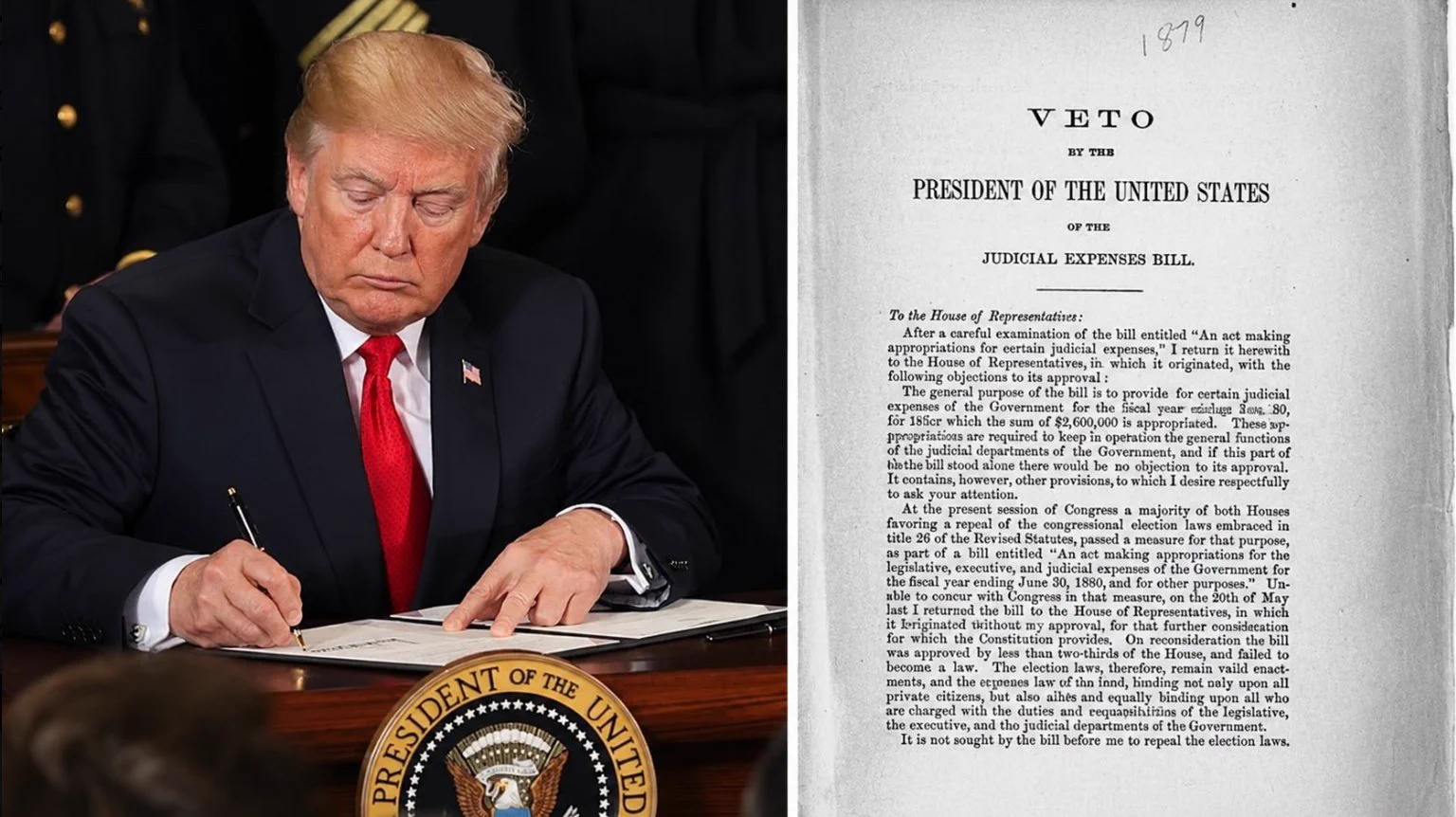

Donald Trump now faces a changed landscape as Democrats take control of both chambers of Congress in January 2027. Their November 3 midterm victories create obstacles for his legislative agenda, but do not remove the presidential veto—one of his constitutional checks on Congress.
That power could shape disputes over federal spending, immigration and foreign policy. Its limits, however, are as important as its reach.
What the Democratic victory changes
The Associated Press called enough races on November 4 for Democrats to secure both chambers. The 120th Congress begins on January 3, 2027. Until then, the outgoing Republican-controlled Congress remains in office; the election does not immediately change Washington’s voting balance.
When Democrats take over, they will control committee leadership, investigations and the movement of bills. Senate Democrats will influence whether Trump’s nominees receive hearings and confirmation votes. Reuters reports that the incoming majority is considering greater scrutiny of the administration and using spending and legislation to challenge aspects of Trump’s foreign policy. These oversight powers are separate from the veto.
How Trump can block legislation
Under Article I, Section 7 of the United States Constitution, a bill must pass both chambers in identical form before it goes to the president. Trump can decide to sign it, return it with objections, or take no action. After ten days, excluding Sundays, it becomes law unless adjournment prevents its return. The return is a regular veto.
Congress can override it with a two-thirds vote in both chambers. A Democratic majority is not enough. Unless sufficient Republicans join Democrats, the bill will fail. This gives Trump leverage over legislation on which the parties disagree.
He can also threaten a veto before a bill reaches his desk. Democratic leaders may negotiate changes or seek Republican support to avoid rejection. The threat can shape legislation even when he never formally vetoes it.
Back Story: A check built into the Constitution
The veto was designed to prevent unchecked lawmaking. It is not a general power to cancel government action. Trump cannot veto an investigation, dismiss a committee subpoena or strike provisions from a bill. The Supreme Court rejected the line-item veto in 1998.
A pocket veto is different. If Congress adjourns in a way that prevents the president from returning a bill, and he does not sign it within ten days, the measure does not become law. Unlike a regular veto, Congress cannot override a pocket veto.
Where the next confrontation may come
Spending could become a battleground. Congress controls federal appropriations, but Trump can veto a funding bill. Without an alternative agreement, parts of the government could shut down when funding expires. Reuters reports that Democrats are considering spending and oversight to challenge the administration’s approach to the Iran war, military spending and foreign aid. U.S.
The election creates divided government, not a transfer of presidential power. Democrats can investigate, legislate and reject nominees; Trump can veto bills that reach him. Neither side can govern alone. Whether Washington reaches compromise or gridlock will depend on both parties.