The United Nations Educational, Scientific and Cultural Organisation (UNESCO) has taken a bold step to improve teaching quality in situations of crisis by launching a specialised workshop in Sudan dedicated to the adaptation and accreditation of teacher training packages for education in emergencies. This initiative responds to a growing global challenge where education systems face repeated disruption because of conflict, displacement, climate disasters and other emergencies that threaten children’s right to learn, according to UNESCO.
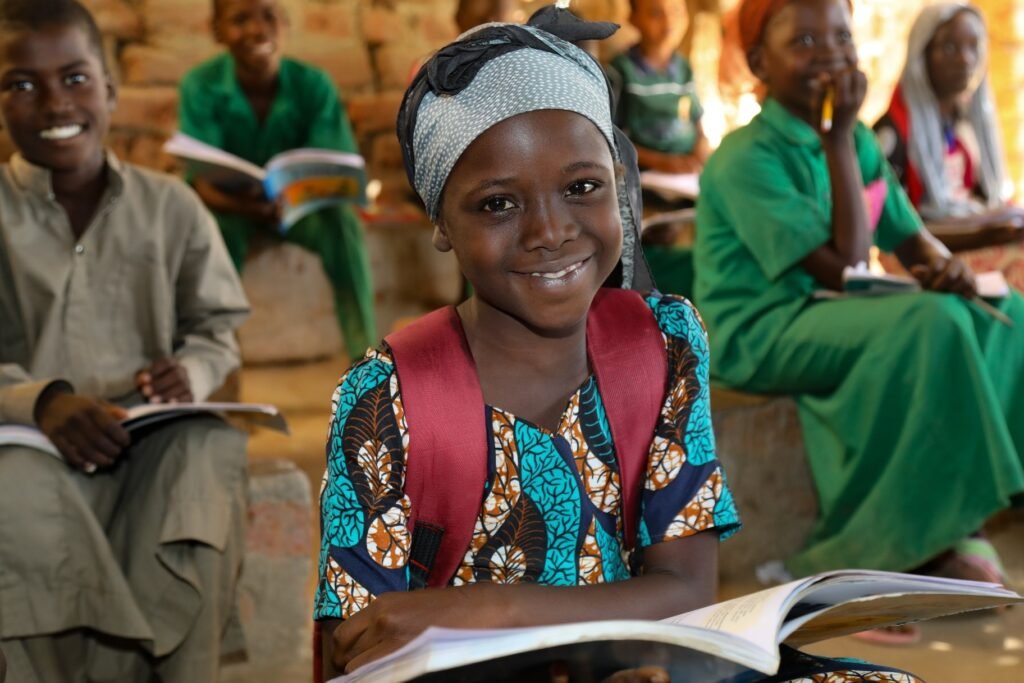
Table of Contents
A High-Impact Workshop in Sudan
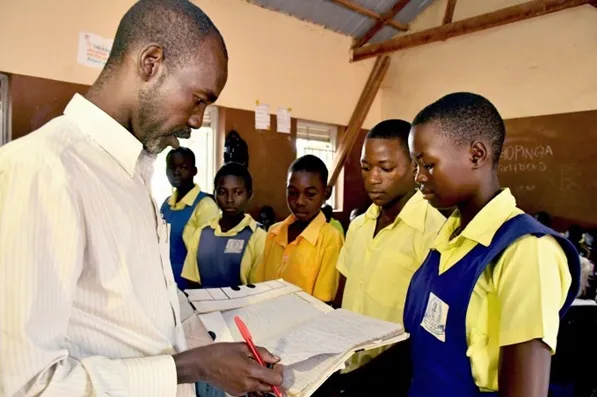
Recently, UNESCO, in collaboration with the National Centre for Teacher Training in Sudan, officially opened a workshop that gathered around 30 education training experts representing various states in the country. The aim was simple but urgent: to revise and strengthen teacher training materials so they are fit for contexts affected by emergencies. Participants included teacher educators and methodologists who are expected to help standardise training resources and improve teaching methods nationwide.
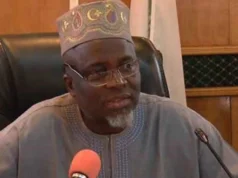
The opening session was marked by a strong endorsement from Dr Al-Tahami Al-Zein Hajar, Sudan’s Minister of Education, who reminded all the experts that teacher training remains one of the most vital indicators of quality education. He thanked UNESCO for leading the initiative, emphasising that teachers are the foundation of every education system and must be equipped to support learners even under the most difficult circumstances.
A key outcome of the workshop was a shared commitment to standardise training materials in ways that make them adaptable to different emergency environments. This includes connecting regional training centres to the national centre using digital technology, preparing them for a future phase of intensive capacity building that focuses on resilience and responsiveness to crises.

Why Education in Emergencies Matters
The workshop highlights a wider global priority: protecting the right to education when crises hit. Education is not only about academics; it is also about protection, psychosocial stability and hope, especially for children exposed to violence, displacement or long-term hardship. UNESCO’s work on education in emergencies seeks to ensure that learning continues and support systems remain in place, no matter the circumstances.
According to UNESCO, education in emergencies strengthens resilience in communities by providing safe and inclusive learning spaces. Crises, whether caused by conflict, natural disasters or health emergencies, often disrupt schooling and can lead to long periods when children are out of school. In these contexts, well-prepared teachers are critical, not only for delivering lessons but also for supporting children’s emotional and psychological well-being.
Globally, millions of children are affected by emergencies each year, with many unable to attend school or access quality instruction. Education in emergencies offers a lifeline that supports continuity of learning while helping communities cope with shock and rebuild their futures. By improving teacher training for crisis situations, UNESCO aims to ensure that teaching personnel are not just reactive but are ready in advance to respond to sudden disruptions.
Building a Unified and Effective Training Framework
One of the central intentions of this workshop was to establish a scientific and unified approach to teacher training for emergencies. Dr Amin Awad Al-Sayed, Director of the National Centre for Teacher Training in Sudan, stressed that teachers must be equipped with skills and methodologies that prepare them for the unpredictable nature of crisis-affected settings. This includes training that goes beyond typical classroom instruction to incorporate strategies for psychosocial support, flexible teaching methods, and inclusive practices that uphold students’ rights.
The workshop process is part of a wider push to harmonise teacher training packages with international best practice. Organisations like the Inter-Agency Network for Education in Emergencies (INEE) have developed harmonised training materials that guide educators through emergency scenarios, offering modules on topics such as learner protection, pedagogy, and inclusive education. Aligning national training resources with these international materials helps ensure that teachers in Sudan and similar contexts receive updated, evidence-based instruction.
UNESCO’s approach also promotes stronger collaboration across regions by using digital tools to link state-level teacher trainers with national centres. This improves access to training resources and expands the reach of capacity-building efforts. By standardising content and delivery strategies, education officials hope to reduce discrepancies in training quality and increase teacher confidence in their professional roles under challenging conditions.
UNESCO’s Wider Commitment to Education in Crisis
UNESCO Sudan’s initiative in teacher training reflects a broader global commitment to ensuring quality education for all, even in the face of emergencies. The organisation remains a leading actor in advancing Sustainable Development Goal 4 – which aims to ensure inclusive and equitable quality education and promote lifelong learning opportunities for all – by strengthening education systems and equipping educators to handle crises.
Across the world, UNESCO and its partners work on multiple fronts to protect education during emergencies. This includes gathering data on attacks against schools, promoting safe learning environments, and advocating for the integration of education into humanitarian responses. These efforts recognise that a resilient education system and well-prepared teachers play a vital part in safeguarding children’s futures in times of uncertainty.
For countries like Sudan, where conflict and economic hardship have repeatedly disrupted schooling, improving teacher training systems is both a strategic and humanitarian priority. Workshops like this one help lay the foundations for stronger national education frameworks that are better prepared to protect learners and support teachers when crises strike. By advancing unified training packages, connecting training hubs and reinforcing digital linkages, UNESCO and national partners are helping build a more resilient education sector that can withstand current and future challenges.
In conclusion, the recent workshop led by UNESCO in Sudan marks a significant milestone in advancing teacher training for education in emergencies. By equipping educators with better-adapted and accredited training packages, the initiative contributes to protecting children’s right to quality learning regardless of the crisis they face and builds stronger, more resilient education systems for the future.
Join Our Social Media Channels:
WhatsApp: NaijaEyes
Facebook: NaijaEyes
Twitter: NaijaEyes
Instagram: NaijaEyes
TikTok: NaijaEyes
READ THE LATEST EDUCATION NEWS