US and Iran Agree to Tentative 60-Day Extension on Key Accord.
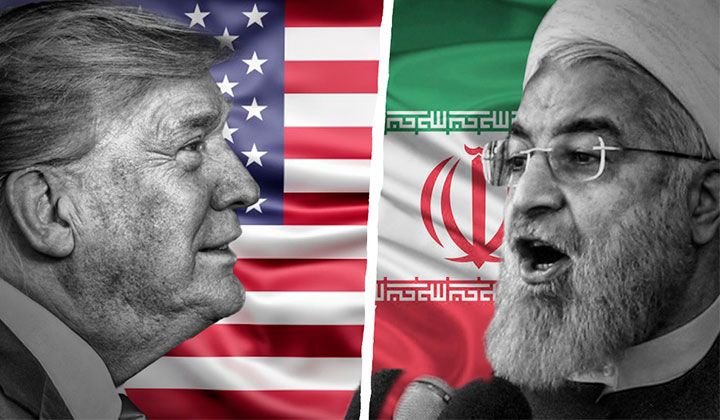
The international geopolitical landscape is experiencing a moment of cautious optimism today. Diplomatic negotiators from the United States and Iran have successfully reached a tentative 60-day extension on their existing baseline accord.
This critical grace period aims to keep communication channels open and prevent escalation in highly volatile economic zones. However, the agreement is not entirely finalized. The entire framework currently sits on a delicate edge, pending formal executive approval from Donald Trump.
The Dynamics Behind the Diplomatic Extension
Securing this 60-day window represents a strategic pause for both nations. For several weeks, international trade observers feared that a sudden breakdown in communication would trigger fresh rounds of strict sanctions, disrupting global supply routes.
The tentative extension keeps current trade protocols operational for another two months. This pause gives corporate logistics managers and global energy traders a brief window of predictability. For the wider international community, the news signals that both Washington and Tehran see the value in diplomatic dialogue. Instead of walking away from the negotiating table, both teams chose to buy more time to address deeper structural disagreements safely.
The Factor of High-Level Executive Approval
While the diplomatic breakthrough is highly significant, the real hurdle lies ahead in the approval stage. The tentative nature of the accord means that no structural changes can take effect without the direct signature of the presidency.
Market analysts point out that Donald Trump’s impending review introduces a major element of uncertainty into the equation. His administration has historically favored a maximum-pressure strategy regarding international treaties.
This background means the terms of the extension will likely face intense scrutiny before getting the green light. For global corporate investors who hate policy unpredictability, this waiting game requires a highly cautious approach to asset management over the coming days.
Ripple Effects Across Emerging Commodities
The diplomatic development between Washington and Tehran is already sending clear waves through international resource markets. The prospect of sustained peace in key trade corridors naturally drives down geopolitical risk premiums on major trading floors.
For resource-dependent nations, including Nigeria, a stabilizing global market brings distinct fiscal challenges. When geopolitical tensions cool, commodity prices tend to settle at lower, more predictable baselines. Local economic planners must watch these global changes closely. Relying on highly volatile international commodities to fund national infrastructure budgets remains a tricky game. True fiscal security will arrive only when domestic revenues are fully shielded from the unpredictable winds of global diplomacy.
US Iran 60 day extension accord 2026
Join Our Social Media Channels: