In a dramatic and rapidly evolving crisis, coordinated military strikes by the United States and Israel on Iran have resulted in significant loss of life and injuries across several countries in the Middle East. The latest preliminary government figures put the death toll in Iran at about 201 with at least 747 injured as rescue efforts continue and more reports emerge from cities and towns throughout the country. Iran’s response has been swift and wide-ranging, with retaliatory missile and drone attacks targeting Israel and nations hosting US forces in the region. The devastation has also reached Israeli territory, where at least nine people have been confirmed killed and more than 121 injured from Iranian strikes. These unfolding developments have pushed tensions in the region to new heights, according to Al Jazeera.
The situation began in earnest on February 28, 2026, when forces from the US and Israel launched coordinated air and missile attacks across dozens of Iranian provinces. This offensive included strikes on strategic military and political targets that Iran described as unacceptable aggression. Tehran has categorised the actions as unjust and vowed strong reprisals. Over the past days, explosions have resonated across Iran’s major urban and rural areas, drawing urgent responses from emergency services and civilians alike. International observers say the scale of operations marks an intense escalation in hostilities that have simmered for years.
Casualties Across the Region and the Toll on Civilians
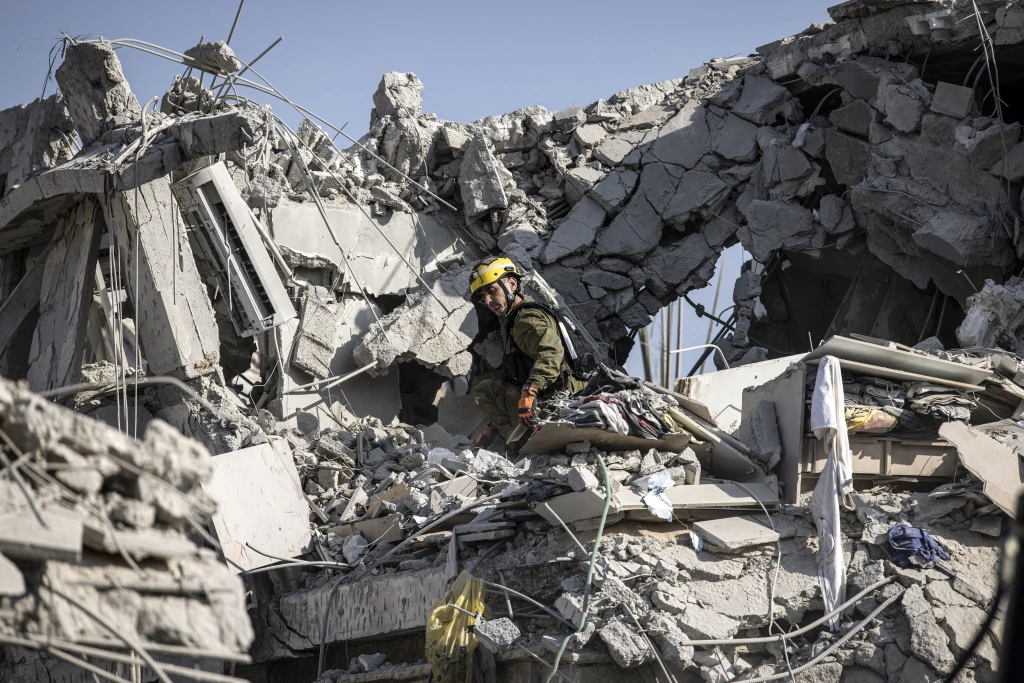
Iranian authorities, citing figures from local health services and state-linked news outlets, report that more than 200 people have been killed and hundreds injured due to the military campaign within Iran. Among the most tragic events was a strike on a girls’ elementary school in the southeastern city of Minab, where at least 148 lives were lost, and dozens were wounded. Visuals from the site showed collapsed walls and devastated classrooms, highlighting the massive impact on innocent civilians.
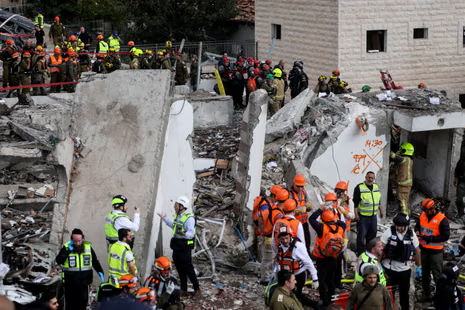
Israel has also felt the impact of the escalating confrontation. Iranian ballistic missiles have struck urban and residential areas, including central regions of Tel Aviv and Beit Shemesh. The attacks have caused fatalities and injuries, and damaged at least 40 buildings in Tel Aviv alone. Emergency response teams are continuing their efforts amid the destruction and ongoing security alerts. Officials in Israel have said that many of the incoming threats were intercepted by air defence systems, limiting the total harm.
Beyond Iran and Israel, multiple other nations in the Gulf and broader Middle East have recorded casualties or material damage from either direct attack or intercepted fire. Bahrain has treated people for shrapnel injuries following drone attacks, while Kuwait has reported at least one death and several injuries after intercepting ballistic missiles near its borders. Oman and Qatar have also documented injuries and suspended air travel as security concerns deepen. Civil defence authorities in Jordan and Saudi Arabia reported property damage but no fatalities so far. The United Arab Emirates has logged at least three deaths and many injuries linked to falling debris from intercepted weaponry.
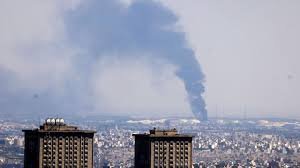
Iran’s Retaliation and Regional Military Movements
Iran’s military response has been both swift and widespread. The Islamic Revolutionary Guard Corps says it has targeted dozens of locations that house US forces and military logistics facilities in Gulf states and allied nations. Iranian missiles and unmanned aerial vehicles have been directed at bases in Bahrain, Iraq, Kuwait, Qatar, Saudi Arabia and the United Arab Emirates. While many of these have been intercepted, several resulted in injuries or structural damage.
Iran’s decision to carry out such extensive counterattacks follows repeated warnings prior to the initial strikes that any aggression against Tehran would prompt strong retaliation. Leaders in Tehran have framed the strikes as a defensive necessity, asserting sovereignty against what they call external interference. As the confrontation intensifies, national militaries across the region are on high alert and closely monitoring movements near key oil routes and strategic maritime chokepoints, including the Strait of Hormuz.
Global Reactions and Uncertain Diplomatic Future
The cascade of violence has drawn urgent international attention. World leaders are calling for de-escalation even as they prepare for the worst. Economic markets, particularly in energy sectors, have reacted to fears of prolonged conflict, with trading patterns fluctuating based on each new update. Nations outside of the direct conflict zone have expressed deep concern about the humanitarian toll and the impact on regional stability.
Diplomats and analysts are warning that the ongoing crisis could reshape geopolitical alliances and provoke long-term shifts in how global powers engage in the Middle East. There are growing calls for emergency sessions at international bodies to address immediate needs for civilian protection and the provision of humanitarian aid. So far, attempts at diplomatic intervention have struggled to gain traction amid the breakdown of earlier negotiations over Iran’s nuclear ambitions and regional security commitments.
The conflict’s trajectory remains unpredictable. Iran’s leadership has changed in the wake of recent strikes, and new governance arrangements are being put in place amidst declarations of vengeance against perceived attackers. With military actions still active across several fronts and no clear end to the cycle of retaliation in sight, the human cost continues to rise. Regional inhabitants brace for more waves of uncertainty as international mediation efforts seek to prevent further escalation.
Authorities are still confirming casualty figures and the true extent of infrastructure damage as communication networks and transport corridors in many affected areas remain disrupted. As the world watches, communities within the conflict zone are coping with loss, displacement and the daily fear of renewed attacks.
In this grim chapter of Middle Eastern history, the humanitarian outlook grows bleak with each passing hour. Yet, diplomats, humanitarian organisations and ordinary citizens alike hold onto a fragile hope that cooler heads might yet prevail, sparking a pathway to dialogue and eventual peace in a region long scarred by cycles of conflict.
Join Our Social Media Channels:
WhatsApp: NaijaEyes
Facebook: NaijaEyes
Twitter: NaijaEyes
Instagram: NaijaEyes
TikTok: NaijaEyes