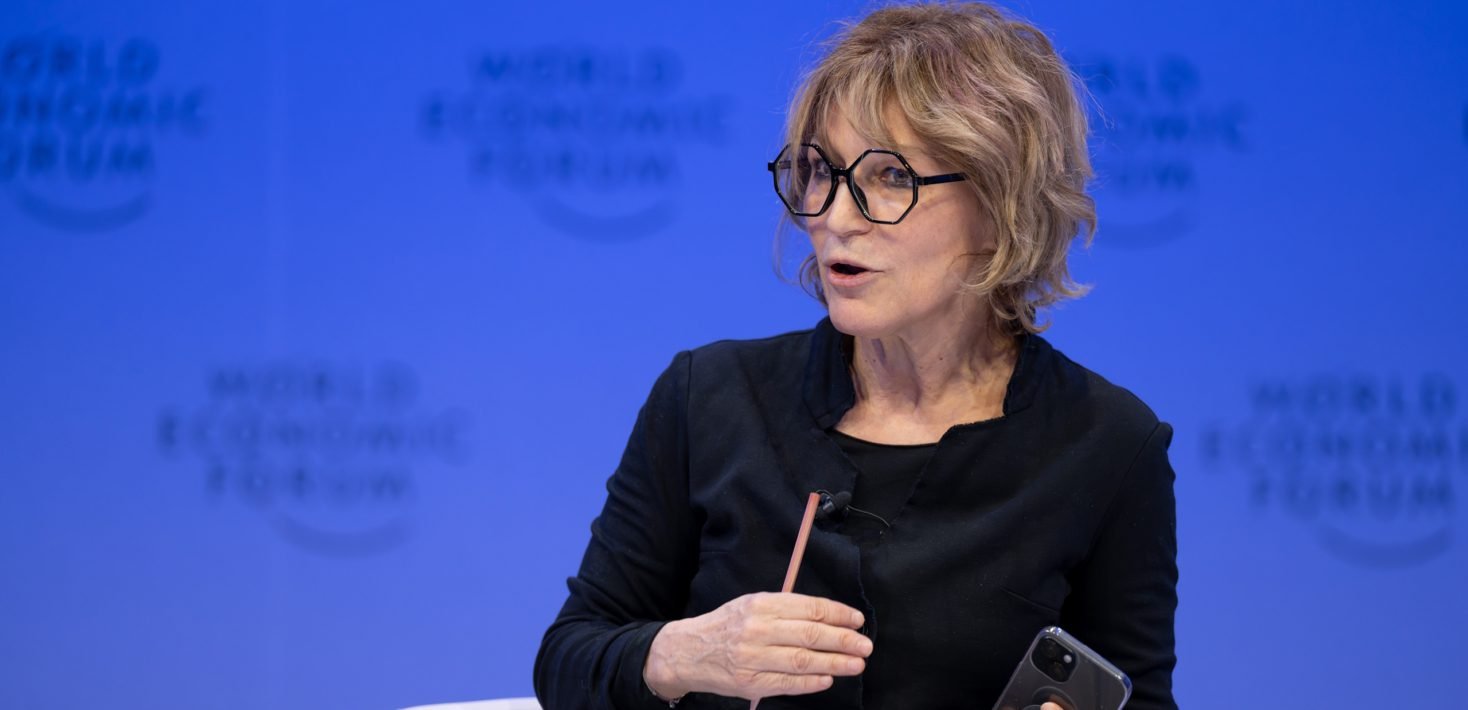
In a powerful speech at the World Forum on the Future of Democracy, Artificial Intelligence and Technology and Humankind in Davos on 16 February 2026, the Director‑General of the World Health Organization (WHO) addressed global leaders and experts on the critical link between health security and world peace. The address challenged the global community to rethink priorities and reminded the world that human health remains a foundation for lasting peace and stability.
The forum, which brought together policymakers, advocates and thinkers from diverse backgrounds, served as a platform to explore how democracy, technology and human well‑being intersect in an era of rapid change.
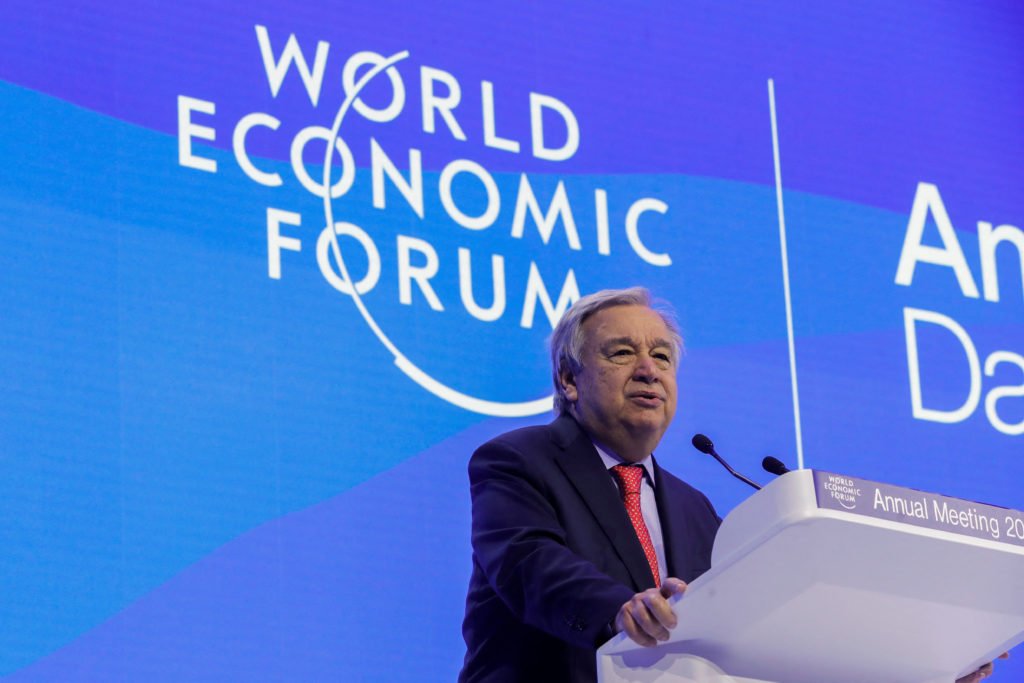
Table of Contents
The Forgotten Lessons of Pandemic Preparedness
Opening his remarks with a candid reflection on recent global gatherings, the WHO Director‑General referenced the Munich Security Conference that had concluded the day before his speech. He recounted a conversation with a senior official who emphasised the need to prepare for “the worst” in terms of global conflicts. In response, the WHO leader asked a stark question: what about preparing for an attack by an “invisible enemy” — a reference to disease outbreaks such as COVID‑19.
The COVID‑19 pandemic claimed an estimated 20 million lives globally and wiped out more than USD 10 trillion from the world economy, exceeding the financial toll of many recent wars. Despite its immense impact, the world’s focus swiftly shifted to other geopolitical crises once the pandemic eased, revealing a familiar pattern of global attention cycling from one emergency to another.
This pattern was labelled by the WHO as the “cycle of panic and neglect,” where short‑term crises absorb global energy and resources, while long‑term threats like health system weaknesses go unaddressed. The remarks underscored the urgent need for sustained investments in health security, not just reactions to emergencies when they strike.
Health Security as a Core Component of Peace
A central theme of the speech was the inseparable relationship between peace and health. The WHO Director‑General stated clearly that there is no health without peace and no peace without health. This principle is rooted in the WHO Constitution, adopted in 1948, which established health as a fundamental human right and a cornerstone for peace and world security.
Drawing on historical and contemporary examples, the address highlighted how conflict and disease often feed into one another. The 1918 influenza pandemic broke out amid the First World War, and more recently, diseases like polio resurfaced in conflict zones such as Gaza. Outbreaks of measles, dengue fever, malaria, diphtheria and cholera continue to afflict populations in war‑torn regions like Sudan, where instability hampers effective public health responses.
Even the last remaining bastions of polio persist in regions of Afghanistan and Pakistan where insecurity challenges vaccination efforts. In each case, the WHO is actively working to mitigate suffering and improve health outcomes, yet the organisation’s efforts can only go so far without peace. The Director‑General’s message was clear: health interventions alone cannot replace peace and stability.
Call to Action for Global Health Investment
The speech advanced a bold and urgent call to world leaders and stakeholders: continue investing in health security as a top priority. The Director‑General argued that building resilient health systems is essential not just for responding to pandemics, but for safeguarding society against a wide spectrum of threats that transcend borders and political divides.
Investment in health security includes strengthening surveillance systems, enhancing emergency response capabilities, and ensuring communities have access to essential health services even in times of crisis. It also means anticipating future health shocks instead of reacting only after devastating outbreaks occur.
By reframing health security as a matter of national and global security, the WHO aims to elevate public health considerations to the same level as defence, economics and technological development in the minds of policymakers.
Peace as the Ultimate Medicine
Beyond investment in health systems, the WHO Director‑General articulated an even broader perspective: the best medicine for humanity is peace. While health interventions can save lives, lasting peace creates the conditions where health can flourish. This perspective encourages world leaders to integrate peace‑building into public health agendas and to recognise that stability and cooperation are fundamental to collective well‑being.
The message resonated with the theme of the forum, which seeks to explore how democratic values and technological advancements can be aligned with human dignity and safety. In a world where digital transformation and artificial intelligence are transforming societies at unprecedented speed, the speech served as a humane grounding point that health and peace must remain central to progress.
These reflections invite nations to prioritise inclusive policies that protect all citizens and ensure that advancements in technology and democracy enhance human security rather than undermine it.
The address at the opening of the World Forum was a reminder that global leadership in health is not just about science and medicine, but about empathy, cooperation and shared responsibility for a world where every life has value.
As nations continue to grapple with interconnected challenges ranging from climate change to geopolitical conflict and technological disruption, the call to view health as integral to national security and peace offers a hopeful framework for collective action in the years ahead.
The WHO Director‑General thanked the audience for their engagement and reiterated the importance of the forum’s discussions as part of a broader effort to shape a healthier, more peaceful future for all.
Join Our Social Media Channels:
WhatsApp: NaijaEyes
Facebook: NaijaEyes
Twitter: NaijaEyes
Instagram: NaijaEyes
TikTok: NaijaEyes