Artificial intelligence is no longer a distant concept reserved for advanced research labs or foreign tech hubs. It is now part of everyday work, from agriculture and banking to education and manufacturing. Across Nigeria, conversations about how to prepare young people for this shift are growing louder, and polytechnics are increasingly being seen as one of the most strategic places to drive this change.
This is not just about keeping up with global trends. It is about repositioning Nigeria’s technical education system to produce graduates who can actively participate in an AI-driven economy.
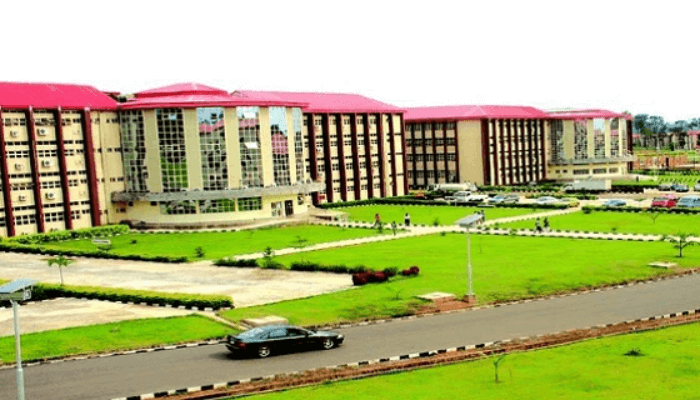
The Rising Demand for AI Skills in Nigeria’s Technical Economy
Nigeria’s job market is changing faster than most educational structures can respond. Employers are no longer only looking for certificates; they are looking for practical, adaptable skills that match real workplace needs.
Artificial intelligence is now influencing hiring decisions, workplace tools, and productivity systems. Globally, studies show that AI-related skills are becoming more valuable than traditional qualifications in many roles, especially in fast-growing digital industries where employers prioritise what candidates can actually do over what they studied formally.
In Nigeria, this shift is even more urgent because of the growing youth population and the pressure to create employable graduates. Technical and vocational education institutions are already central to workforce development, and national policy discussions increasingly position polytechnics as key drivers of innovation and skills development.
However, a gap still exists between classroom learning and industry expectations. Many students graduate without exposure to modern AI tools that are already being used in workplaces.
Back Story: Why Polytechnics Are in a Unique Position
Polytechnics in Nigeria were originally designed to focus on practical and applied learning rather than theory-heavy education. Their mandate is to produce technicians, engineers, and problem solvers who can immediately contribute to industry.
In recent years, there has been growing recognition that these institutions are not just training centres, but potential innovation hubs. Government reforms and intervention programmes are already pushing for modernisation of laboratories, upgraded equipment, and stronger industry alignment.
At the same time, artificial intelligence is already being tested in different parts of the polytechnic system, including libraries, administrative processes, and classroom learning tools. Research shows that AI can improve learning access, automate routine tasks, and enhance academic support systems in higher institutions.
Despite these developments, adoption remains uneven. Challenges such as limited infrastructure, inadequate training for lecturers, and inconsistent policy implementation continue to slow down progress. This is where polytechnics have both a challenge and an opportunity.
They are close enough to industry to understand workforce needs, yet still flexible enough to redesign curricula faster than traditional universities.
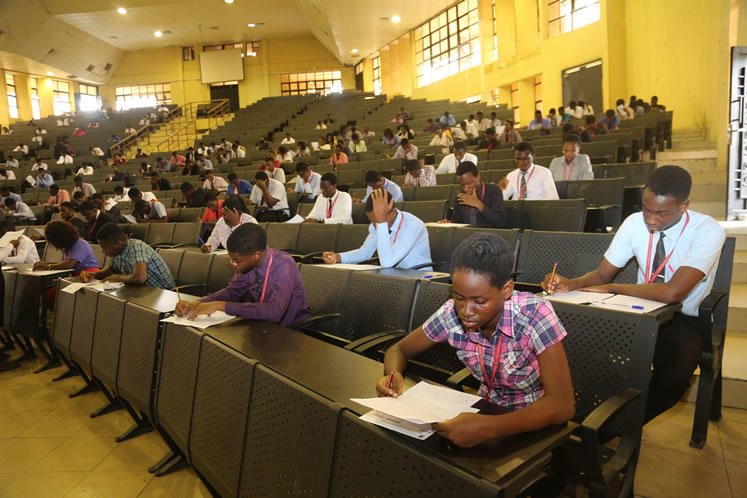
Why Polytechnics Should Take the Lead in AI Skills Training
If Nigeria is serious about building a competitive digital workforce, polytechnics are the most practical starting point for large-scale AI skills training. There are several reasons for this.
First, polytechnics already operate within a skills-based education model. This makes it easier to integrate applied AI training, such as machine learning basics, data analysis, automation tools, and AI-assisted design into existing programmes.
Second, AI is not only for computer science students. It is becoming a cross-cutting skill across engineering, agriculture, business studies, and even environmental sciences. Technical education institutions are naturally suited for this kind of interdisciplinary learning.
Third, global labour trends are increasingly skill-driven. Employers now prioritise demonstrable competence, and AI skills are among the most in-demand capabilities in the modern workforce, particularly because they complement other technical skills and increase productivity value.
Finally, there is already momentum from government and regulatory bodies toward modernising technical education. Initiatives aimed at upgrading polytechnic facilities and strengthening practical training show that the system is being prepared for a more innovation-driven future.
If polytechnics step forward intentionally, they can move from being followers of digital transformation to becoming leaders in it.

Moving Forward: Building an AI-Ready Polytechnic System
For Nigerian polytechnics to successfully lead AI skills training, the approach must be practical and realistic.
Curricula need to move beyond theory and include hands-on AI applications that students can relate to real-life work environments. Lecturers also need structured training so they can confidently teach these new tools instead of treating them as optional additions.
Partnerships with industry will also be critical. AI evolves quickly, and no single institution can keep up alone. Collaboration with tech companies, startups, and global learning networks will help ensure that what students are learning remains relevant.
Infrastructure is another key area. Without reliable digital tools, stable internet, and updated labs, even the best curriculum will struggle to deliver impact. This is why ongoing modernisation efforts in technical institutions are an important foundation for long-term success.
Most importantly, there must be a mindset shift. AI should not be seen as a threat to traditional education, but as a tool that enhances learning, improves productivity, and expands career opportunities for graduates.
Join Our Social Media Channels:
WhatsApp: NaijaEyes
Facebook: NaijaEyes
Twitter: NaijaEyes
Instagram: NaijaEyes
TikTok: NaijaEyes