For decades, school libraries in rural Nigeria were seen as quiet corners filled with dusty textbooks, broken shelves and outdated reading materials. In many communities, some libraries barely existed beyond a locked room with old novels and exam papers. Today, however, education experts, technology advocates and community leaders are beginning to see these same spaces differently.
Across parts of Nigeria and other developing countries, conversations are growing around transforming school libraries into digital learning centres where students can access computers, internet services, coding classes, robotics training and online educational tools. What was once a neglected section of the school environment may soon become one of the most important centres for innovation and opportunity in rural communities.
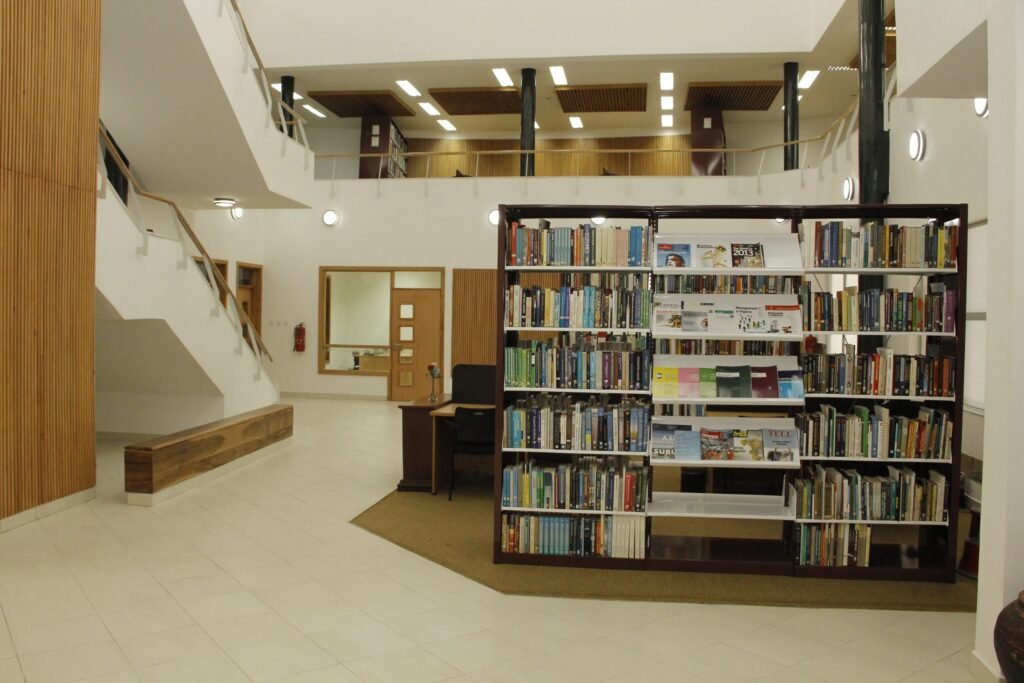
The shift is happening at a time when Nigeria faces increasing pressure to close the digital divide between urban and rural areas. While students in major cities like Lagos and Abuja are becoming more exposed to technology-driven learning, millions of children in rural communities still struggle with poor internet access, limited computer literacy and inadequate educational infrastructure.
Education researchers say libraries could help bridge that gap because they already exist within school systems and can be redesigned into shared digital spaces for students and teachers. Studies on school libraries in Nigeria and other developing regions show that libraries are increasingly being viewed as learning hubs that support collaboration, digital literacy and innovative teaching methods.
Experts argue that the idea goes beyond simply adding computers to library buildings. The goal is to create multifunctional spaces where young people can learn practical digital skills that prepare them for modern careers and entrepreneurship opportunities.
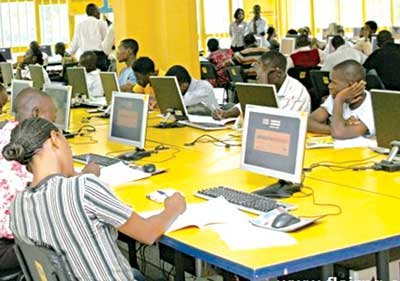
In many rural schools, students rarely interact with technology beyond mobile phones. Some have never used a laptop before finishing secondary school. Turning libraries into digital hubs could expose students to online research tools, educational software, coding programmes and virtual learning platforms long before they enter universities or workplaces.
This transformation could also support Nigeria’s growing push towards vocational and technology-based education. Recent curriculum conversations in the country have increasingly focused on practical skills, digital technology and employability for young people.
Technology advocates believe school libraries can serve as low-cost entry points for introducing these skills to rural students. Instead of constructing entirely new innovation centres from scratch, existing library spaces can be upgraded gradually with internet connectivity, solar power systems, tablets, computers and digital learning resources.
Another major advantage is accessibility. Libraries are already familiar community spaces inside schools. Students know where they are, teachers can supervise activities there and communities often trust them as educational centres. This makes them easier to adapt into technology hubs compared to launching completely new facilities.
There is also growing international interest in the concept of libraries functioning as makerspaces and innovation centres. Research on Nigerian school libraries has explored how libraries can host makerspaces where students experiment with digital tools, creative projects and collaborative learning activities.
In practical terms, this could include teaching students basic coding, digital design, content creation, robotics or even small-scale tech entrepreneurship. Some education experts say rural libraries could eventually host after-school technology clubs, virtual mentorship programmes and online training sessions connected to global educational platforms.
Teachers stand to benefit as well. Research shows that libraries help educators improve lesson preparation, access new teaching materials and adopt modern learning methods. In rural areas where teachers often face shortages of teaching resources, digital libraries could provide access to online textbooks, teaching videos and virtual classroom tools.
The impact could extend beyond schools. Community members may also use upgraded libraries for digital literacy training, online business activities, remote learning and internet access. In places where cybercafés and tech centres are scarce, school libraries could become shared community technology spaces after school hours.
For many rural families, internet access remains expensive and unreliable. Students often travel long distances to access digital services or complete online assignments. A functional digital library within a local school could reduce those barriers significantly.
Still, experts warn that turning libraries into tech hubs will not be easy. Many rural schools continue to struggle with poor electricity supply, inadequate funding and limited infrastructure. Studies on Nigerian school libraries consistently highlight challenges such as outdated facilities, shortage of skilled personnel and insufficient government support.
Electricity remains one of the biggest obstacles. Computers, internet routers and digital devices require stable power, yet many rural schools experience frequent blackouts or have no electricity at all. Some experts believe solar-powered digital libraries may offer a realistic solution for remote communities.
Internet connectivity is another challenge. Several rural areas still lack affordable broadband access, making it difficult to sustain digital learning environments. Without reliable internet, the full potential of technology-driven libraries may remain limited.
Funding also remains a major concern. Building and maintaining digital learning spaces requires investment in equipment, training and maintenance. Many public schools already struggle to fund basic classroom needs, making large-scale technology upgrades difficult without government partnerships or private sector support.
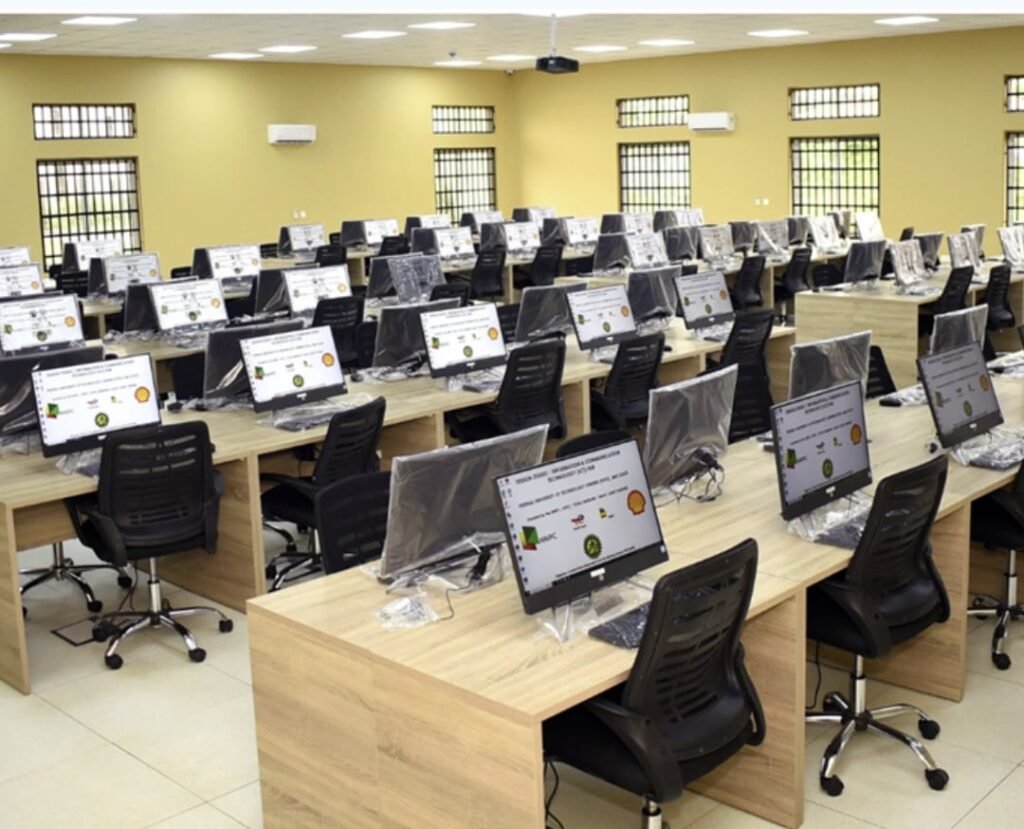
There is equally the issue of staffing. A modern digital library requires personnel who understand both library management and technology systems. In many rural schools, librarians are either unavailable or lack specialised digital training.
Despite these challenges, education advocates insist the idea remains achievable if approached gradually and strategically. Some suggest pilot programmes that begin with a few schools before expanding nationwide. Others recommend partnerships involving government agencies, telecommunications companies, non-profit organisations and international education groups.
There are also examples from other countries showing how rural digital learning spaces can improve educational outcomes and support local innovation. Studies on rural technology programmes have demonstrated how digital education centres can increase students’ confidence with technology and encourage entrepreneurial thinking.
Globally, libraries themselves are changing. Modern libraries are no longer viewed only as book storage facilities. Around the world, many libraries now offer internet access, digital training workshops, makerspaces and collaborative learning environments.
Nigeria may be moving slowly in that direction, but education experts believe rural communities could benefit the most if the transformation is handled properly. For students in underserved areas, access to digital tools can influence career choices, improve learning opportunities and expand exposure to the wider world.
Some analysts argue that rural libraries may even become safer and more structured alternatives to informal technology centres. Schools already provide supervision, educational guidance and existing administrative systems that can support digital programmes responsibly.
There is also optimism that the growing popularity of remote learning and digital entrepreneurship in Nigeria could increase support for library transformation projects. More young Nigerians are earning income online through freelancing, digital marketing, software development and content creation. Advocates believe rural students deserve access to the same opportunities.
Importantly, supporters of the idea say the focus should remain on inclusion rather than prestige. The aim is not to create flashy technology centres that look impressive on social media, but practical learning spaces that genuinely improve educational access for rural children.
In communities where students still share outdated textbooks and overcrowded classrooms, even a modest digital library with a few functional computers and internet access could make a meaningful difference.
Education specialists say long-term success will depend on sustainability. Equipment maintenance, teacher training, internet affordability and community involvement will determine whether these projects survive beyond initial launch ceremonies.
Parents and local leaders may also need reassurance about the value of digital learning. In some communities, technology education is still viewed as secondary compared to traditional classroom subjects. Awareness campaigns and community engagement could help build trust and encourage participation.
Back Story
The conversation around school libraries in Nigeria has existed for decades. Researchers and education advocates have repeatedly raised concerns about the poor state of libraries across many public schools. Several studies found that many schools either lacked libraries completely or operated facilities with outdated materials and inadequate support.
Over time, however, the global role of libraries began to evolve. Libraries in different countries started introducing internet access, digital learning tools, makerspaces and collaborative educational programmes. Nigerian researchers also began exploring how libraries could support innovation, digital literacy and community engagement.
At the same time, Nigeria’s education sector has faced increasing pressure to prepare young people for a technology-driven economy. Conversations around digital skills, vocational training and entrepreneurship have become more prominent in educational policy discussions. This changing environment is now reshaping how many people view the future of school libraries, especially in underserved rural communities.
Today, what was once considered an overlooked part of the school system is increasingly being discussed as a possible foundation for grassroots digital transformation across Nigeria.
Join Our Social Media Channels:
WhatsApp: NaijaEyes
Facebook: NaijaEyes
Twitter: NaijaEyes
Instagram: NaijaEyes
TikTok: NaijaEyes