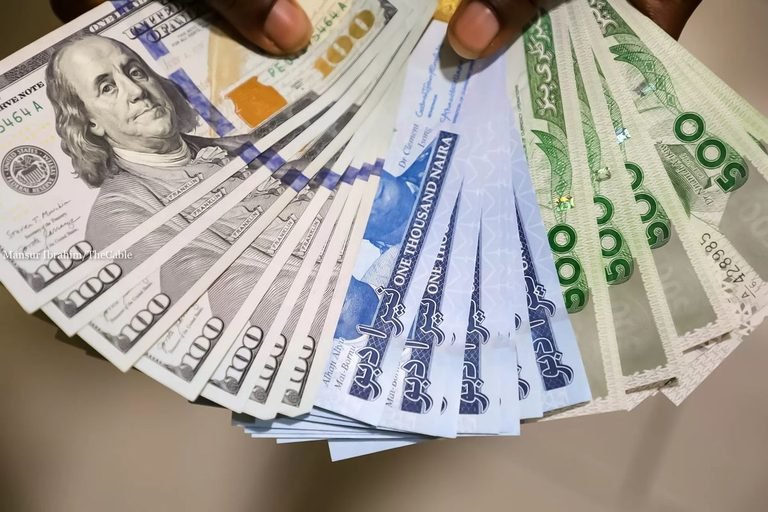
The naira among Africa’s most resilient currencies, stood out during second-quarter market turmoil, demonstrating remarkable stability compared to major regional peers.
According to the October 2026 Africa Economic Update released by the World Bank, the local unit capped its maximum depreciation at just 2.6 percent between March and June 2026. Furthermore, while rising geopolitical tensions and elevated energy costs pressured foreign exchange markets across 22 non-CFA African nations, the Nigerian currency rebounded by 1.9 percent by August.
Backstory: Reversing Volatility Through Structured Policy Interventions
To appreciate why this currency stability marks a major milestone, we must examine how macroeconomic conditions unfolded over recent years. For an extended period, sharp foreign exchange fluctuations, dwindling gross reserves, and wide parallel market premiums disrupted consumer prices and trade.
However, coordinated monetary tightening, transparent volume-weighted market pricing, and gross external reserve accumulation above $54 billion created a dependable buffer. As global energy prices fluctuated, several African currencies suffered double-digit losses. In contrast, disciplined market interventions enabled the Nigerian economy to withstand liquidity headwinds far better than neighboring trading partners.
- Ghanaian Cedi: Experienced a maximum depreciation of 10 percent during Q2 2026.
- Southern Africa Cluster: Currencies in South Africa, Lesotho, and Namibia fell by up to 7.2 percent.
- Central & East Africa: The Democratic Republic of Congo franc dropped 6 percent, while Uganda’s shilling slid 5 percent.
Upgraded Growth Projections Signal Expanding Macroeconomic Health
In response to sustained reform implementation, the multilateral lender upgraded Nigeria’s 2026 economic growth forecast to 4.3 percent, up from earlier estimates. World Bank Chief Economist for Africa Andrew Dabalen noted that while structural risks remain, improved policy frameworks are bearing fruit across sub-national markets.
“The naira’s relative resilience during periods of regional currency pressure highlights the impact of improved liquidity management and foreign exchange reforms,” stated World Bank economists reviewing regional monetary trends.
In conclusion, as the naira among Africa’s most resilient currencies leads regional recovery, maintaining policy consistency stays paramount. Protecting external reserve buffers will ensure long-term stability across commercial and import channels.
References & Citations
- World Bank Group Report (Oct 8, 2026): Africa’s Pulse: October 2026 Africa Economic Update, Washington, D.C. Verified via reporting on The Punch Newspaper and Legit.ng. Coverage also referenced via Nairametrics.