
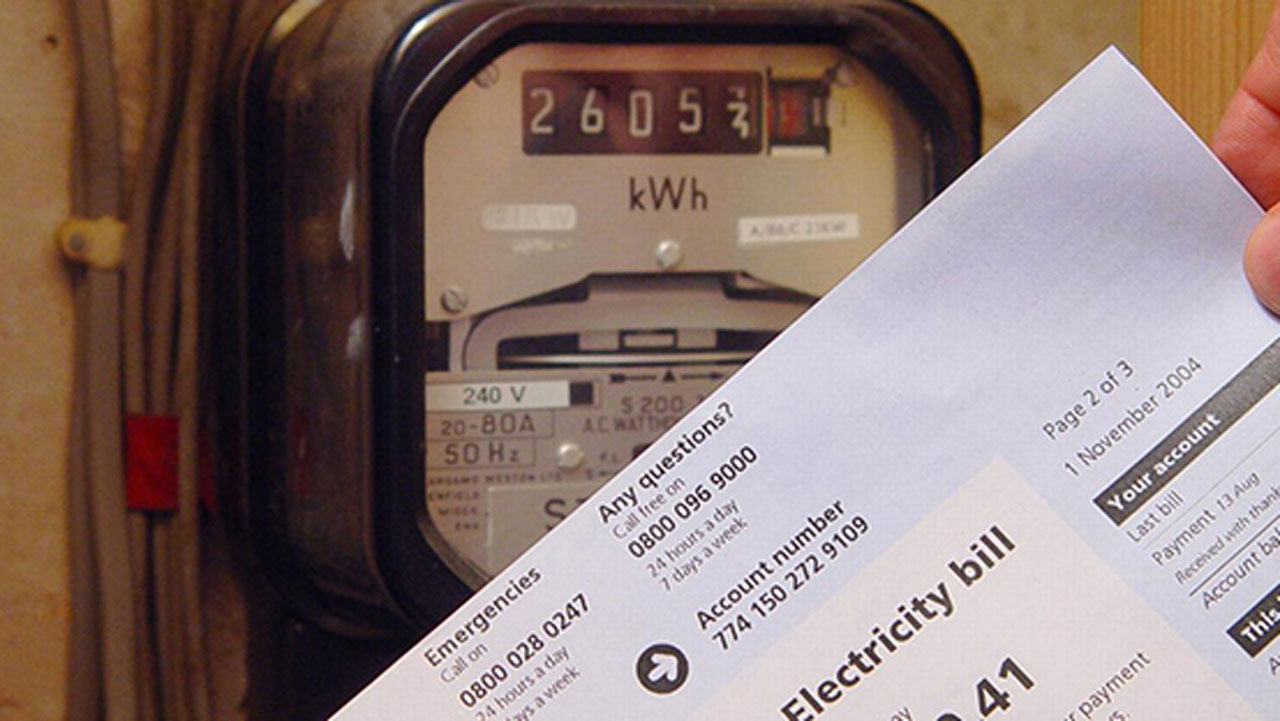

A comparison by The PUNCH of 11 listed manufacturers’ unaudited results puts their combined energy-related expenses at ₦841.99bn for January to September 2026, up 7.4 per cent from ₦784.08bn a year earlier. It is not a measure of diesel-generator or grid-electricity spending alone: the filings use different headings, including fuel and power, energy consumption, electricity, gas and diesel.
The total shows a major operating cost, but does not isolate how much came from unreliable public supply, tariff changes, higher production or fuel choices.
Cement producers dominate the total
Dangote Cement and BUA Cement accounted for about ₦797.44bn, or 94.7 per cent, of the amount. Dangote reported ₦580.49bn in fuel and power costs, up two per cent. BUA’s production and administrative energy consumption totalled ₦216.95bn, up 21.6 per cent.
Their share means the headline figure largely reflects cement manufacturing, an energy-intensive process requiring substantial heat and power. It is not a typical bill for food processors, glassmakers or pharmaceutical manufacturers.
Dangote’s results offer another qualification. Group sales volumes rose 9.4 per cent to 22.1 million tonnes, while fuel and power costs increased by two per cent. The company attributed the smaller rise to a favourable energy mix, showing that efficiency and fuel choices also influence expenditure.
Also Read: Anduril Partners With Qualcomm to Develop US-Made Laptops for Defence and Government
Smaller firms show faster percentage growth
The nine non-cement companies spent ₦44.55bn, 21.2 per cent more than a year earlier. UAC of Nigeria’s electricity and power expense increased 172.1 per cent to ₦13.24bn. However, UAC said 2026 was its first full year consolidating C.H.I. Limited, a change in group scope that makes it unsafe to attribute the entire increase to tariffs.
Other results were mixed. BUA Foods’ diesel, fuel and electricity spending rose 32.8 per cent to ₦938.98m, while Beta Glass’ fuel, gas and electricity cost fell 5.3 per cent to ₦23.22bn. The aggregate therefore does not describe every manufacturer’s experience.
The figures do not isolate blackout costs
The unaudited statements cover different expense categories, including factory and administrative costs. They do not consistently separate grid purchases from self-generation or show how much of each increase resulted from prices, output or fuel mix.
MAN figures illustrate self-generation costs. Manufacturers Association of Nigeria Director-General Segun Ajayi-Kadir said members spent less than ₦800bn generating their own power in 2023, about ₦1.1tn in 2024 and ₦1.35tn in 2025. They cover a different group and measure, so they should not be added to or directly compared with the 11-company total.
Back Story: Band A predates the 2024 tariff review
Nigeria’s service-based electricity tariff system dates to November 2020. Under the Nigerian Electricity Regulatory Commission’s framework, Band A customers are meant to receive at least 20 hours of electricity daily. The tariff review effective for Band A customers on 1 April 2024 changed rates, not the system’s starting date.
The policy question is wider than tariffs. NERC identifies inadequate generation, overloaded infrastructure and transmission or distribution faults among causes of poor supply. Predictable electricity and transparent energy-cost disclosures are essential to determine whether reforms are reducing factories’ dependence on expensive alternatives.
Also Read: JEDCO: Benue Residents Owing N81 Billion, Risk Total Blackout