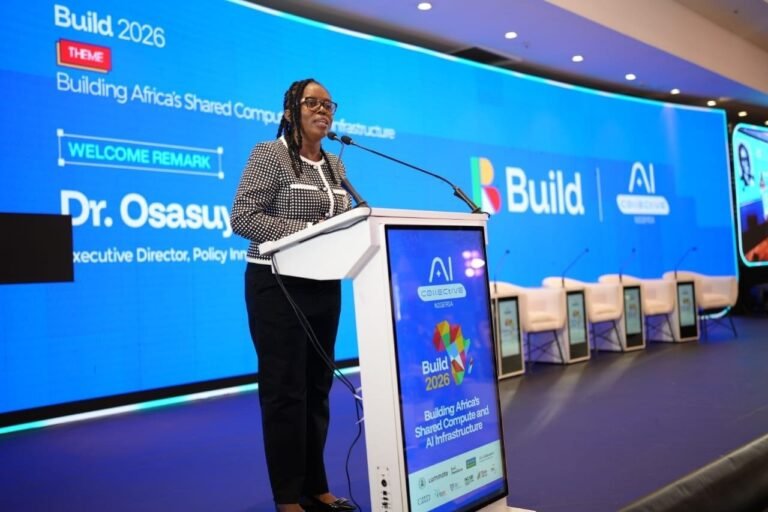

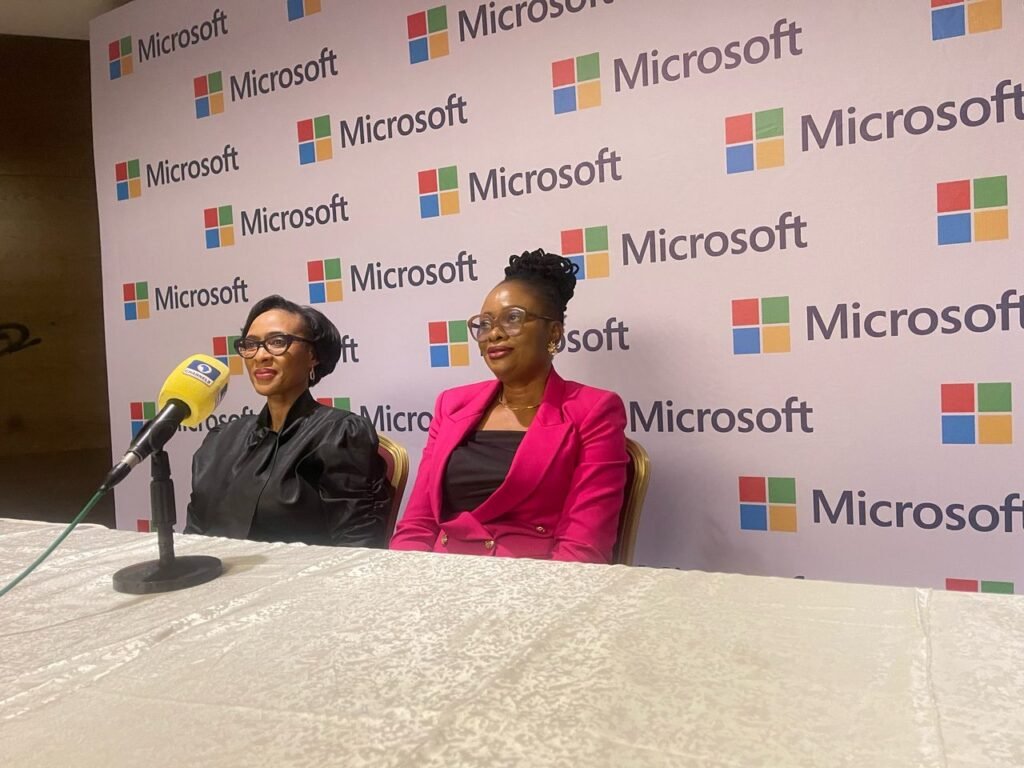
In a candid yet hopeful address, Microsoft has spotlighted the untapped potential of AI deployment across sectors in Nigeria. Delivered by the General Manager of Microsoft Nigeria and Ghana, Abideen Yusuf, the message comes at a time when the nation’s tech landscape is evolving rapidly, fuelled by its youthful population and burgeoning innovation hubs. Yusuf urges that Nigeria must move beyond “pockets of innovation” and leverage its emerging capabilities to become a global contributor to AI—not just a consumer.
The international spotlight on AI’s promise is bright: global forecasts estimate that artificial intelligence could inject up to $15 trillion into the world economy by 2030. Such figures underscore the urgency for Nigeria to build strong infrastructure, develop talent, and foster accessible applications that will enable widespread adoption of AI.
From Start‐ups to Scale‐ups: The AI Flywheel Effect
Nigeria is no stranger to home-grown innovation. Enterprises like Jumia and Flutterwave emerged from its vibrant mobile internet ecosystem, redefining e-commerce and payments in ways that disrupted the status quo. According to Yusuf, AI has the potential to amplify these successes, creating a “flywheel” that propels organisations into new territory—faster, more creative, and more resilient than before.
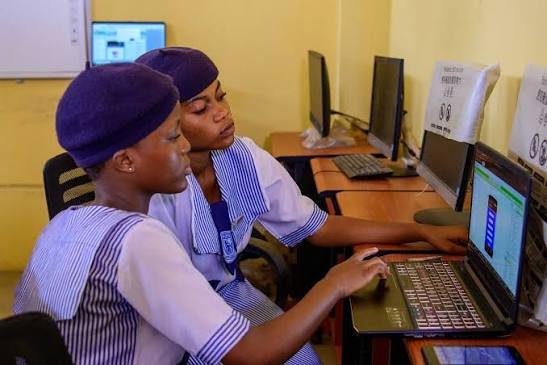
But for the flywheel to accelerate at scale, Nigeria must ensure that AI doesn’t remain isolated in urban tech hubs. It must reach farmers, educators, health workers, small businesses, and even informal markets. The next chapter in Nigeria’s AI story depends on broad-based accessibility, not just elite adoption.
Laying the Foundations: Infrastructure, Power, and Talent
Yusuf paints a vivid metaphor: AI’s progress mirrors that of a building—solid foundations lead to high-reaching towers. The underlying infrastructure—reliable electricity, data centres, cloud capacity, and chip accessibility—remains patchy across the country.
Furthermore, Nigeria must address talent shortages. While the country boasts a youthful demographic and energetic tech communities, it lacks enough home-grown AI specialists, and many of those trained abroad don’t return. Efforts like the federal government’s 3 Million Technical Talent (3MTT) Programme, launched in October 2023 and targeting three million skilled individuals in areas including AI, data science, and software engineering by 2027, are promising steps forward.
Also drawing focus is the National AI Strategy, Nigeria Artificial Intelligence Research Scheme (NAIRS), and the National Centre for Artificial Intelligence and Robotics (NCAIR)—all aiming to support research, partnerships, and practical deployment of AI solutions. Microsoft itself is contributing through initiatives such as its AI Skills Navigator—designed to equip people across sectors with much-needed AI literacy.
A Call to Action: Inclusive, National Adoption
To build a truly inclusive AI ecosystem, Nigeria must couple infrastructure investment with ethics, education, and governance. Yusuf noted the vital role of trust and robust regulatory frameworks to balance risks and rewards of AI—especially in sensitive sectors like healthcare, finance, and education.
Moreover, public–private partnerships are key. The recent $7.5 million agreement between Nigeria and the Bill & Melinda Gates Foundation to establish an AI Scaling Hub aimed at healthcare, agriculture, and education illustrates how collaborative investment can move AI from lab prototype to field reality.
For AI to truly serve Nigeria, it cannot remain confined to Lagos or Abuja. Rural communities, minority language groups, women, and smallholder farmers must all be beneficiaries. Addressing Nigeria’s digital divide—driven by access, affordability, education, and infrastructure—is crucial if AI deployment across sectors is to be equitable and transformational.

Key Takeaways
- Big picture: AI is projected to add up to $15 trillion globally by 2030—Nigeria can tap into this by moving from pockets of innovation to national scale in AI deployment across sectors.
- Innovation potential: AI could amplify companies like Jumia and Flutterwave, creating a growth flywheel—but only if access is broad, not limited.
- Foundations matter: Critical investment is needed in power, data capacity, and talent development—programmes like 3MTT and NAIRS are steps forward.
- Inclusion is essential: Ethical frameworks, public–private partnerships, and bridging the digital divide ensure AI benefits reach all Nigerians, not just tech cities.
Join Our Social Media Channels:
WhatsApp: NaijaEyes
Facebook: NaijaEyes
Twitter: NaijaEyes
Instagram: NaijaEyes
TikTok: NaijaEyes