

In the latest industry updates, T2mobile has captured attention across Nigeria’s telecommunications sector with a notable surge in mobile network performance outside major urban centres. Fresh data from the Nigerian Communications Commission (NCC) and independent network analysts show that this relatively smaller operator now leads in mobile download speeds in rural parts of the country, challenging bigger rivals and redefining expectations about connectivity beyond city limits.
This development comes as part of broader shifts in Nigeria’s telecom landscape, where network quality and coverage are becoming central to subscriber growth and digital inclusion. With Nigeria’s economy and education systems increasingly dependent on reliable internet access, improvements in rural broadband performance are drawing both public and private sector attention.
Strong Rural Performance Signals Shift in Nigeria’s Telecom Landscape
According to the latest quarterly performance report from the Nigerian Communications Commission, T2mobile has recorded the fastest rural download speeds among Nigeria’s mobile operators. The median download speed in rural Nigeria for T2mobile stood at 24.9 megabits per second (Mbps), placing it ahead of established networks such as MTN, Airtel, and Globacom in countryside regions.
This performance is particularly striking given the long-standing digital divide between urban and rural areas. National figures from the NCC show that average rural download speeds have climbed to around 11.0 Mbps compared to just 8.5 Mbps a year earlier, though urban centres still enjoy higher average speeds of about 20.5 Mbps.
In practical terms, residents in parts of Anambra and Oyo states have seen even higher peaks, with measured speeds reaching 82.3 Mbps and 80.0 Mbps, respectively, at certain times. These figures hint at the potential for dramatically improved online experiences, from streaming and downloads to social media and remote work.
Strategic Moves Behind the Speed Gains
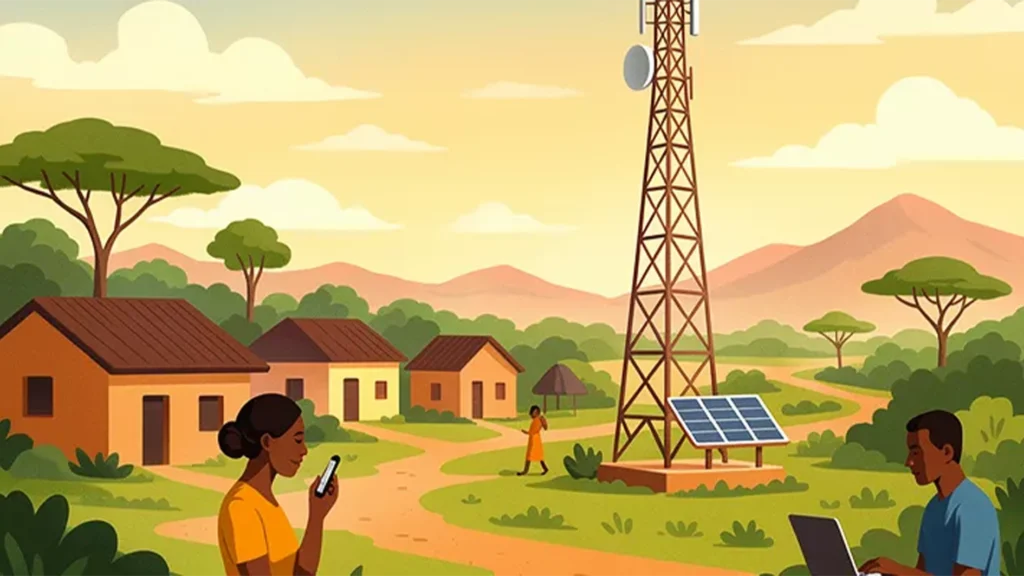
The improvements in T2mobile’s rural network performance are not accidental. They follow strategic investments and partnerships designed to strengthen infrastructure and expand reach into previously underserved areas. Key among these moves is a recent network upgrade contract with Huawei, intended to modernise and enhance the operator’s radio access systems across Nigeria.
In addition to infrastructure upgrades, T2mobile also entered into a three-year spectrum lease agreement with MTN Nigeria, which allows it to use additional frequency bands in the 900 MHz and 1800 MHz ranges. Under the terms of this arrangement, T2mobile customers gain access to MTN’s network where its own coverage may be thin, helping to improve reliability across wide geographic areas.
Telecommunications experts see these partnerships as a reflection of growing collaboration in the industry, where infrastructure sharing is increasingly viewed as a practical way to boost service quality for customers. In a market as vast and diverse as Nigeria’s, such cooperation can accelerate network expansion without requiring each operator to build every part of the infrastructure independently.
Subscriber Growth and Market Challenges for T2mobile
Despite its recent technical gains, T2mobile still operates from a smaller base compared with Nigeria’s telecom giants. Current figures show it serves around 3.18 million subscribers, accounting for just under two percent of the total mobile market. This modest share reflects both the size of the operator and the broader challenges it faces as it seeks to attract customers away from more established brands.
However, the company’s recent rebranding and service improvements appear to be bearing fruit. Between July and November 2025, T2mobile added more than 460,000 new subscribers, a sign that its investment in network quality and customer experience is resonating with consumers.
Market watchers note that subscriber loyalty in Nigeria is closely tied to service quality, especially data speeds and reliability. As more Nigerians rely on the internet for work, education, entertainment, and social interaction, any operator that can offer consistently better performance stands a chance of challenging the status quo.
The Road Ahead for Rural Connectivity
While the improvements in rural download speeds are welcome, there are still areas that need attention. Upload speeds outside cities remain comparatively weak, averaging only about 6.1 Mbps in rural areas, according to industry data. This gap can affect activities like video conferencing, content uploads, and real-time collaboration — all of which require stable and responsive connections in both directions.
The NCC and industry stakeholders have emphasised that closing the urban-rural connectivity gap will demand continued investment in network infrastructure. This includes building more transmission sites, improving backhaul capacity, and ensuring quality of service standards that benefit users no matter where they live.
Nigeria’s broader digital goals, such as boosting broadband penetration and supporting digital literacy, depend on these kinds of improvements. While the current rural broadband penetration remains below national targets, the positive momentum signalled by enhanced network speeds and expanding subscriber numbers shows that progress is underway.

What This Means for Nigerian Consumers
For everyday Nigerians living and working outside major cities, the shift in rural network performance brings tangible opportunities. Faster and more reliable mobile internet can improve access to online learning, remote jobs, ecommerce platforms, and digital government services. It also makes social connection easier, bridging distances that once limited participation in the digital economy.
Many consumers have already noticed improvements in their experiences, describing smoother video streaming, quicker web browsing, and more responsive connectivity in areas that once struggled with slow or patchy service. As telecom operators continue to compete on network performance, users are expected to benefit from both better quality and more competitive pricing.
In summary, the latest quarter’s data highlights how investment, innovation, and strategic collaboration are reshaping Nigeria’s telecommunications space. With operators like T2mobile pushing the boundaries of rural network performance, the country is edging closer to a future where digital access is not just a city luxury but a nationwide reality.
If these trends continue, the promise of a more connected Nigeria — with the potential for economic growth, educational opportunity, and inclusive participation — could soon be within reach for millions more citizens.
Join Our Social Media Channels:
WhatsApp: NaijaEyes
Facebook: NaijaEyes
Twitter: NaijaEyes
Instagram: NaijaEyes
TikTok: NaijaEyes