The growing transportation crisis affecting millions of Nigerians
If you have ever stood at a bus stop in Lagos or Abuja under the scorching sun, or tried to move goods from a rural farm to the city market, you already know that transportation in this country is “no be small thing.”
But while we feel the “wahala” daily on the streets, a new revelation from the academic world has put a staggering number to our struggle. It turns out that over 104 million Nigerians—which is roughly 52 per cent of our total population—are currently suffering from a severe lack of vehicle access in Nigeria.
As a professional editor who has watched our economy fluctuate over the years, I can tell you that this isn’t just a statistic; it is a full-blown mobility crisis that is “eating” into the productivity and the very survival of the common man.
The reality on the ground is that more than half of our people are effectively stranded, unable to move themselves or their businesses forward because the wheels are simply not there.
Professor Oscar Odiboh exposes the depth of mobility poverty
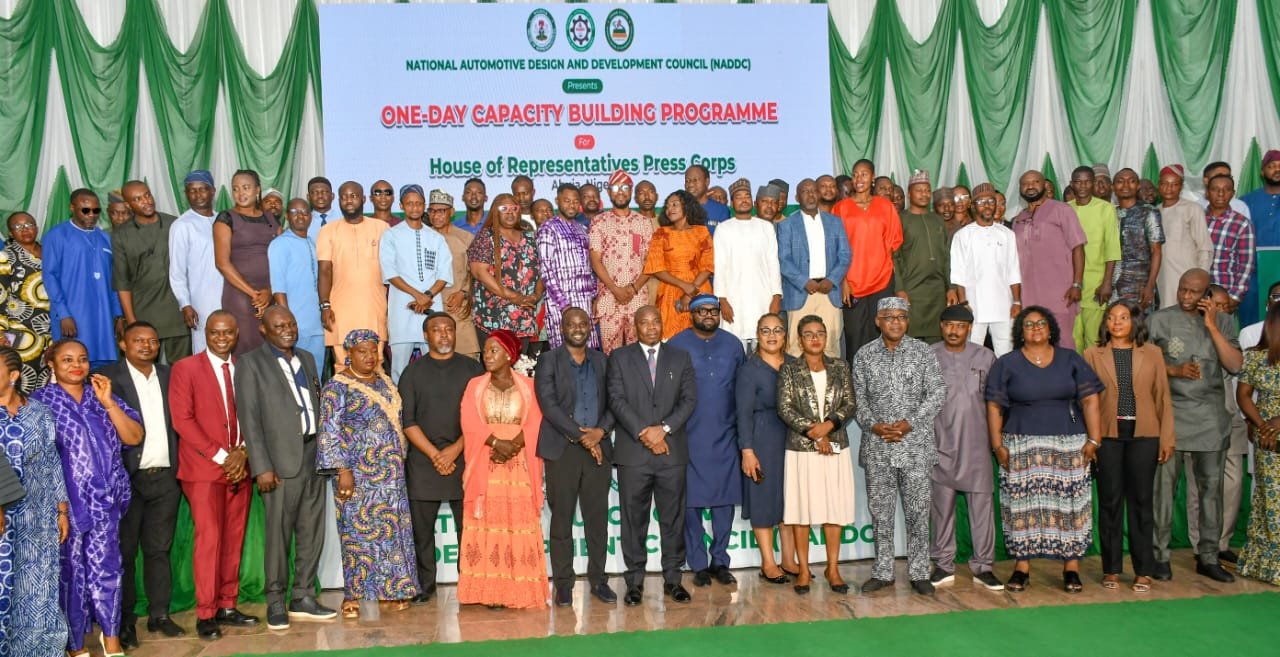
This “bomb” was dropped recently by Professor Oscar Odiboh, a renowned don from Delta State University, Abraka, during a high-level training for journalists in Abuja. Speaking at an event organized by the National Automotive Design and Development Council (NADDC), the Professor of Marketology didn’t mince words about what he calls being “underserved.”
According to him, this massive group of 104 million people isn’t just a random crowd; it’s made up of the urban poor, the unemployed in our semi-urban areas, rural dwellers who are cut off from civilization, and workers who are so underpaid that buying a “pure water” car is now a distant dream.
The Professor pointed out that the daily mobility value in Nigeria is a whopping N122.60 billion. Yet, with about five million companies desperately in need of transport solutions, the system is failing to bridge the gap.
It’s a classic case of “money dey, but road clear,” but for the wrong reasons—high costs, policy flip-flops, and a market that seems to favor those at the very top while leaving the rest of us behind.
Comparing Nigeria’s automotive output with Morocco’s success
To understand why we are in this “soup,” we only need to look at how our neighbors are doing it. During the same session, industry experts drew a painful comparison between Nigeria and Morocco. It’s enough to make any patriotic Nigerian “cold.” While Morocco has transformed itself into a global hub, producing 700,000 cars a year and netting $17 billion in exports, Nigeria is struggling to produce a measly 10,000 units.

Instead of making cars, we are spending about $4.5 billion every year just to import them. This “import-heavy” lifestyle is exactly why the lack of vehicle access in Nigeria continues to bite harder. We are exporting jobs and wealth while importing “tokunbo” problems.
Chinedu Oguegbu, a local automotive firm boss, even suggested that we should “shine our eye” and look towards Compressed Natural Gas (CNG) as a cheaper, more sustainable alternative to petrol, which has become gold in the eyes of many.
The urgent need for legislative action and local manufacturing
The “real koko” of the matter is that we cannot continue to run an automotive industry on “executive promises” alone. The Director General of the NADDC, Joseph Osanipin, made a passionate plea to the National Assembly to finally pass the automotive-related bills that have been gathering dust.
Investors are not “mumu”; they won’t put their hard-earned money into a sector where the rules can change “sharperly” with a new administration. We need a legal framework that makes “Made-in-Nigeria” more than just a sticker on a bumper.
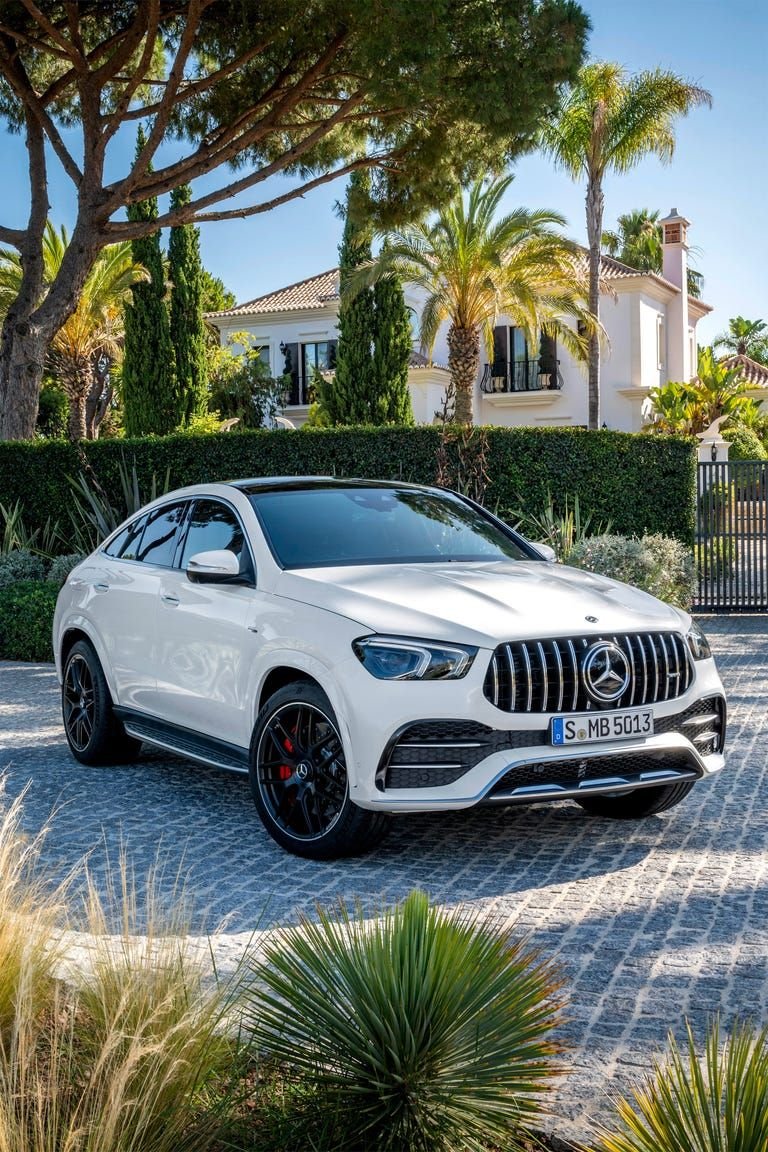
We need cars that are truly manufactured here, using our own materials and our own brilliant technicians. Until we get our legislative act together and support local assemblers in scaling up, that $ 104 million figure will only continue to grow. It is time to move from being a nation of “pedestrians” to a nation that actually builds the vehicles that drive its own economy.
Join Our Social Media Channels: