At the heart of Barcelona this week, where global tech leaders gather for one of the year’s most important industry events, Nigeria-born and African-grown innovations and ambitions took centre stage. The spotlight was firmly on MTN Group and its renewed vision for how the continent embraces digital technologies, especially artificial intelligence and connectivity for economic transformation. Thousands of delegates, investors, policymakers, and tech innovators came together at Mobile World Congress 2026, and from conversations to strategy sessions, Africa’s digital story resonated throughout the halls of the Fira Gran Via, according to itweb.africa.
A Grand Stage for a Continental Vision
MTN Group, Africa’s largest mobile network operator with nearly 300 million customers, used this year’s show to redefine its role in the continent’s digital future. What once was a traditional telecom provider is evolving into a technology-first platform that aims to enable connectivity, financial inclusion, and data-driven services across borders and borders of opportunity. At the core of this strategy is a focus on artificial intelligence as a tool for better customer service, operational efficiency, and expanding digital ecosystems.
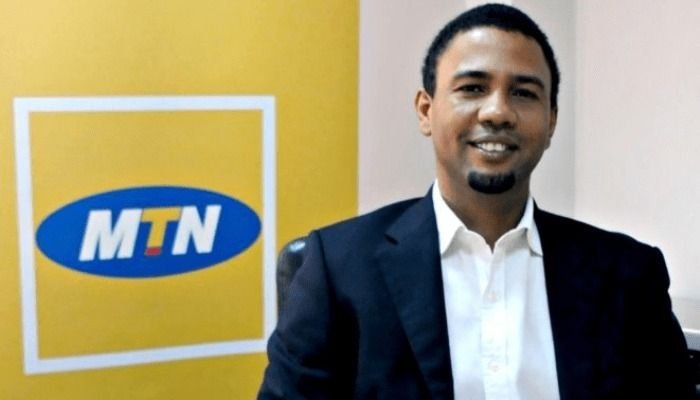
The company’s President and Chief Executive Officer, Ralph Mupita, shared insights on this shift during keynotes and media engagements. He told global audiences that while the foundation laid under the previous strategy, known as Ambition 2025, remains sound, the next chapter is about growth through innovation and smarter connectivity. This means bringing more Africans online with robust networks, scaling MTN’s fintech services, and investing in the physical infrastructure that supports digital access from cities to rural communities.
To underline its commitment, MTN stood for the first time with its own dedicated exhibition space at the congress, signalling not just participation but leadership in shaping digital policies, partnerships, and progress for the continent.
Connectivity and Digital Infrastructure for Africa’s Growth
Broadband expansion in Africa remains uneven, but MTN’s strategy places connectivity at the centre of its growth ambitions. With millions of people still unable to access affordable internet services, Mupita emphasised that connectivity is more than a service; it is foundational infrastructure for socio-economic development. Investments in fibre networks, data centres, and even the acquisition of strategic tower assets are part of a broader plan to strengthen essential digital pathways that businesses, governments, and individuals depend on.
In practical terms, this means accelerating access to 4G and 5G services in markets where many consumers are still transitioning from basic voice services to full internet usage. For MTN, bridging this digital divide is both a business opportunity and a socio-economic imperative. The expansion of digital infrastructure will support more reliable connectivity, encourage local innovation, and build the backbone needed for future technologies like edge computing and AI-enhanced services.
Importantly, MTN’s connectivity ambitions align with broader industry efforts to leverage technology as a catalyst for economic growth across Africa, including talent development, rural network access, and inclusive services that help communities participate in the digital economy.
AI: Beyond Buzzwords and Into Real Impact
Artificial intelligence was a defining thread at MWC 2026, with global discussions highlighting its potential to reshape industries. For MTN, AI is not just a trend but a practical tool already improving network operations, customer engagement, and efficiency. Mupita described AI as still “early” for the group, but emphasised that the company is already using it to streamline processes and deliver better outcomes for millions of users.
While global tech circles debated future generations like 6G and other advanced technologies, MTN’s approach was grounded in current realities and opportunities. For the millions of people across Africa who are yet to experience the full benefits of the internet, practical AI use cases such as predictive network maintenance, fraud detection, and customer service automation present immediate advantages.
By focusing on meaningful applications rather than abstract technological milestones, MTN is positioning itself to deliver tangible value for everyday consumers and enterprises. This client-centric view of AI is a significant shift from discussions that often prioritise futuristic visions over the needs of emerging markets.
Financial technologies built on digital platforms also feature prominently in MTN’s strategy. Through MTN MoMo, the company is expanding interoperability across wallets, banks, merchants, and payment systems in multiple markets. This means connecting consumers to essential financial services across borders, enhancing convenience and inclusion in everyday transactions.
Partnerships, Policy, and Pan-African Progress
A recurring theme throughout the congress was collaboration. Technology ecosystems cannot thrive in isolation, and MTN has been active in building alliances with governments, industry bodies, and global organisations. At MWC, Mupita represented the operator not just as a corporate leader, but also as deputy chair of the GSM Association, a role that enables him to influence broader policy and strategy in telecom and digital technology sectors.
His participation in high-level discussions with international dignitaries, including leaders from Europe, highlighted the importance of cooperation between Africa and global partners in achieving digital transformation. These conversations help open doors for investments, technology transfers, and frameworks that support sustainable growth across the continent.
The influence of partnerships extends beyond boardrooms into communities. Collaborative efforts in digital skills training, infrastructure projects, and inclusive access programmes are part of a larger movement to ensure that the benefits of digital transformation reach everyone, including young people, women, and underserved populations.
This ecosystem-wide focus reflects an understanding that Africa’s digital future depends not just on technology deployment but on an inclusive environment where people are equipped to participate and thrive.
The Road Ahead
As Mobile World Congress 2026 concludes, MTN’s presence and messaging have made it clear that the company sees its role as bigger than delivering telecom services. It is now actively shaping how connectivity, digital services, and innovation can work together to unlock economic opportunities across the African continent.
From expanding reliable networks to integrating AI into practical operations, from deepening fintech ecosystems to influencing policy conversations, MTN’s actions at MWC reflect a strategic commitment to Africa’s digital transformation. If successful, this journey will not just change the fortunes of one company but could uplift millions of lives through improved access to information, markets, education, and financial tools.
In an era where digital connectivity defines opportunity, MTN’s leadership at global forums like MWC signals an important moment for Africa’s technology narrative. The challenge now is execution, collaboration, and making sure the promise of digital growth translates into real impact for communities across the continent.
Join Our Social Media Channels:
WhatsApp: NaijaEyes
Facebook: NaijaEyes
Twitter: NaijaEyes
Instagram: NaijaEyes
TikTok: NaijaEyes