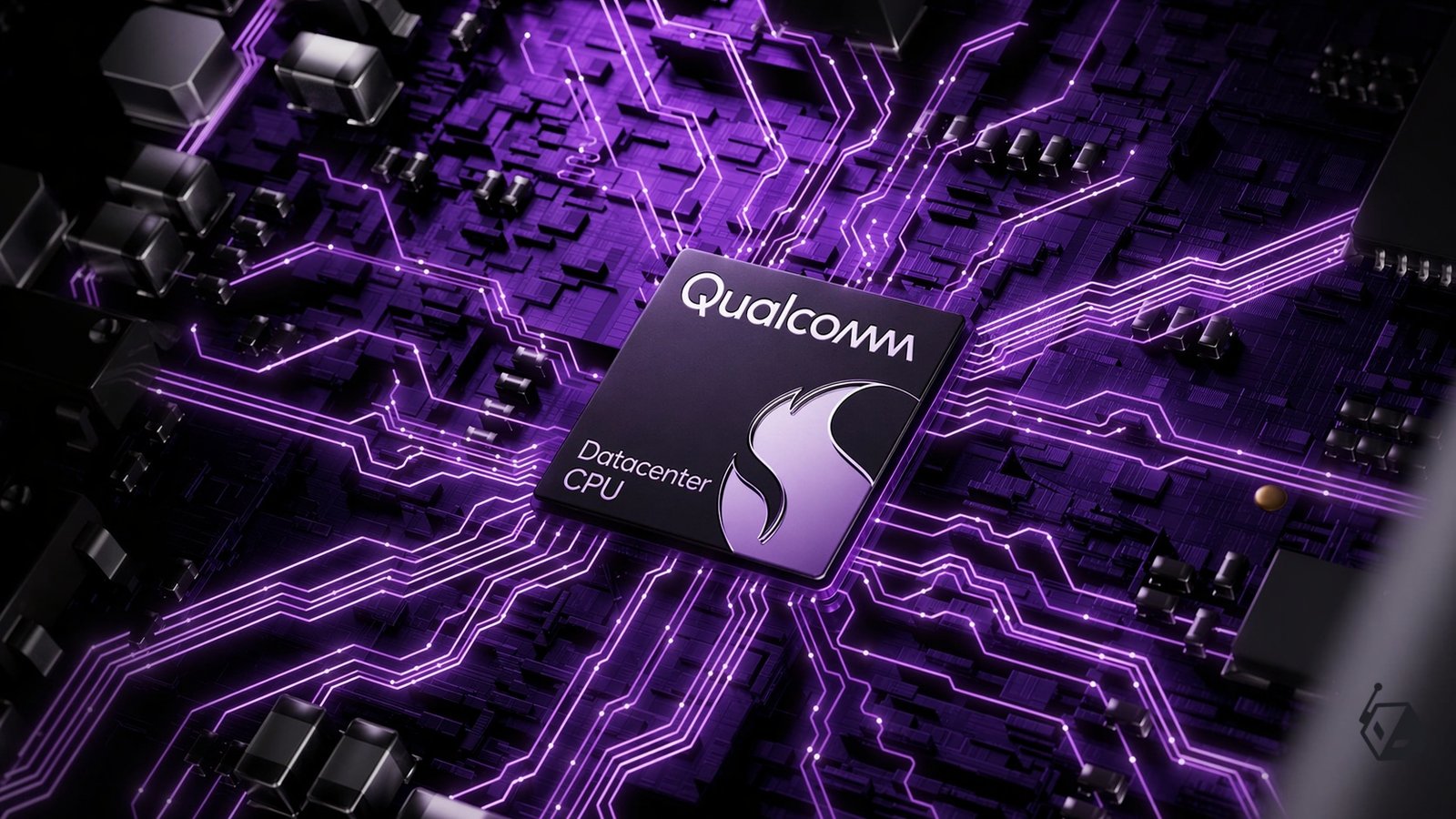

Shares of Qualcomm surged sharply in early trading on Monday after reports emerged that OpenAI is working with the chipmaker to develop advanced processors for a new generation of artificial intelligence-focused smartphones. The development, which also involves MediaTek, signals a possible shift in how mobile devices are designed and used in the coming years.
According to industry analyst Ming-Chi Kuo, the collaboration centres on building what is being described as an AI-first smartphone, a device designed from the ground up to prioritise artificial intelligence capabilities rather than traditional app-based experiences. Qualcomm’s stock reportedly jumped by more than 10 percent in premarket trading following the news, reflecting strong investor confidence in the potential of the project.
Although the companies involved have not officially confirmed the partnership, the market reaction highlights growing belief that artificial intelligence will define the next major upgrade cycle in the global smartphone industry.
Inside the reported partnership and 2028 production plan
Details from supply chain checks suggest that the collaboration is still in its early stages but already has a structured framework. OpenAI is said to be leading the product vision, while Qualcomm and MediaTek are handling chip development. Meanwhile, China-based Luxshare has reportedly been selected as the exclusive partner for system design and manufacturing.
The timeline is ambitious but not immediate. Analysts expect key specifications for the device to be finalised between late 2026 and early 2027, with mass production targeted for 2028.
This long lead time reflects the complexity of integrating advanced AI capabilities directly into mobile hardware. Unlike current smartphones that rely heavily on cloud processing, the proposed device is expected to handle more tasks on-device, enabling faster responses, better privacy and real-time intelligence.
There are also indications that the device could be built around so-called AI agents, software systems that can perform tasks autonomously on behalf of users. This would represent a major departure from today’s app-driven smartphone model and could redefine how people interact with technology daily.

Why this move matters for the global smartphone market
The reported collaboration underscores a broader industry trend: the race to embed artificial intelligence deeply into consumer hardware. Smartphones remain the most widely used personal computing devices globally, making them a natural battleground for AI innovation.
For Qualcomm, the partnership could mark a turning point. The company has faced increasing competition and shifting demand in recent years, particularly as major players like Apple and Samsung develop more of their own chip technologies. A strong position in AI-driven mobile processors could help Qualcomm regain strategic relevance.
Analysts also note that AI-focused chips could be significantly more valuable than traditional processors. In some projections, a single advanced AI chip could generate revenue comparable to dozens of conventional smartphone chips, highlighting the commercial potential of this shift.
For OpenAI, the move represents a bold expansion beyond software into hardware. The company has already shown interest in consumer devices, including previous collaborations and acquisitions aimed at building AI-native products. Entering the smartphone space, however, would place it in direct competition with some of the world’s most dominant tech firms.
What it means for Nigeria and emerging markets
While the proposed AI smartphone is still years away, its potential impact on markets like Nigeria could be significant. Smartphones are already the primary gateway to the internet for millions of Nigerians, and any major shift in mobile technology tends to have a ripple effect across communication, business and education.
An AI-first smartphone could improve everyday experiences such as voice assistance, language translation, personalised learning and mobile banking. For a country with a growing digital economy, this kind of innovation could unlock new opportunities for entrepreneurs, developers and content creators.
However, affordability and accessibility will remain key concerns. High-end AI devices may initially be priced beyond the reach of many users in emerging markets. Over time, as the technology matures and becomes more widespread, it is expected that more affordable versions will enter the market, similar to previous smartphone trends.
There is also the question of data privacy and infrastructure. AI-powered devices rely heavily on data to function effectively, which raises concerns about how user information is collected, stored and used. For Nigeria, this could bring renewed attention to digital regulation and the need for stronger data protection frameworks.
In the bigger picture, the reported collaboration between OpenAI, Qualcomm and MediaTek is more than just another tech partnership. It points to a future where artificial intelligence is not just an app or a feature, but the foundation of the devices people use every day. If successful, this shift could redefine the smartphone as we know it.
Join Our Social Media Channels:
WhatsApp: NaijaEyes
Facebook: NaijaEyes
Twitter: NaijaEyes
Instagram: NaijaEyes
TikTok: NaijaEyes