The global race for technological supremacy is intensifying, and China has made it clear that it intends to be at the very centre of it. In a bold policy direction tied to its upcoming national development strategy, the Chinese leadership has reaffirmed a strong commitment to becoming a global powerhouse in artificial intelligence, quantum science and other advanced technologies.
This renewed ambition forms part of the country’s long-term planning framework, which outlines priorities for scientific development and economic transformation. Officials say the strategy will involve stronger support for original scientific research, expanded investment in cutting-edge laboratories and policies aimed at strengthening domestic innovation.
At its core, the message is simple. China wants to reduce its reliance on foreign technology while positioning itself as a leader in shaping the future of science and innovation worldwide. The approach reflects not only economic ambition but also the growing recognition that advanced technologies are becoming central to national security, global influence and economic competitiveness.
The announcement has already sparked conversations among scientists, economists and policy experts around the world. Many see it as another sign that technological competition between global powers is entering a new and more intense phase.
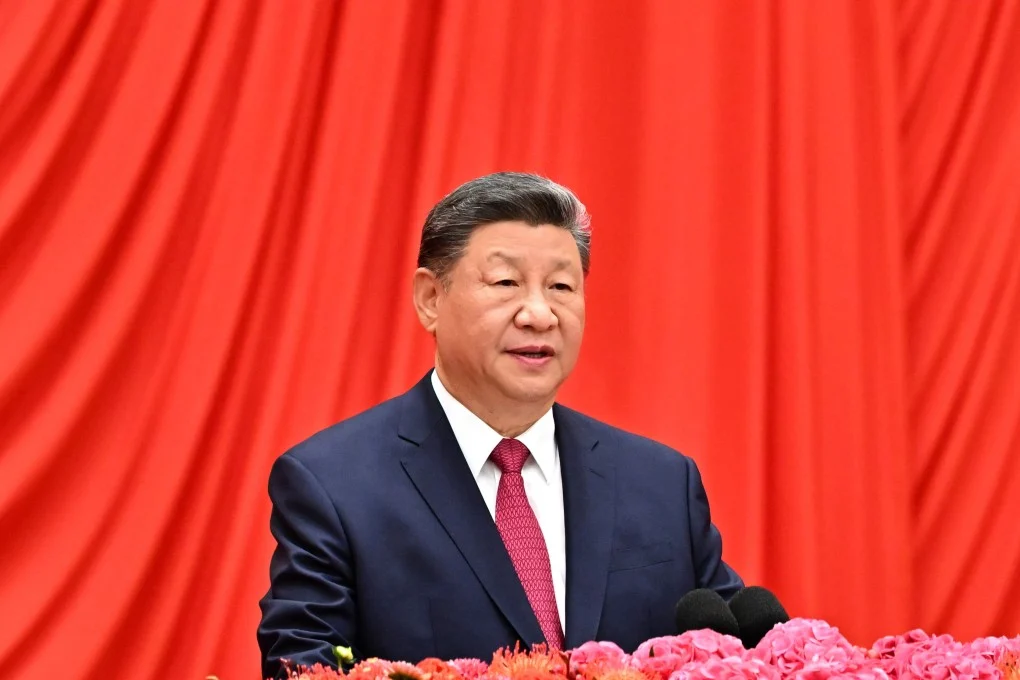
China’s Five-Year Plan Signals a New Innovation Push
The policy direction comes as Chinese policymakers prepare their fifteenth five-year development plan. These national plans play a major role in shaping the country’s economic priorities, guiding everything from industrial policy to research funding.
According to reports, the new plan highlights science and technology as central pillars of national development. Authorities are calling for what they describe as extraordinary measures to strengthen China’s capabilities in fields such as artificial intelligence, quantum computing and semiconductor technology.
One key focus is increasing investment in original research. For years, critics have argued that China’s scientific progress relied heavily on adapting existing technologies developed elsewhere. The new strategy attempts to change that perception by encouraging homegrown discoveries and breakthrough innovations.
Government leaders believe that strengthening fundamental research will help the country achieve technological self-reliance. In practice, this means building stronger links between universities, research institutes and industry while providing long-term funding for ambitious scientific projects.
Experts say this shift could reshape the global innovation landscape. When a country with the scale of China invests heavily in research infrastructure and talent development, the ripple effects are felt across industries from computing to biotechnology.
Artificial Intelligence at the Centre of China’s Global Strategy
Artificial intelligence sits at the heart of China’s technology ambitions. Over the past decade, the country has poured billions of dollars into AI development, building large research ecosystems that include universities, government laboratories and private technology companies.
The new policy signals that this investment will continue and likely accelerate. Officials see AI as a foundational technology that will influence almost every sector of the economy, from manufacturing and healthcare to transportation and national defence.
Chinese leaders have repeatedly emphasised that artificial intelligence will shape the next phase of economic growth. By combining massive datasets, advanced computing infrastructure and strong government support, the country hopes to create a competitive advantage in the global AI market.
Supporters of the strategy say China has several structural strengths in this area. The country has a large population of engineers and computer scientists, a rapidly expanding digital infrastructure and strong government coordination across industries.
At the same time, policymakers recognise that global leadership in AI requires more than simply deploying existing tools. It requires breakthroughs in algorithms, computing chips and data processing techniques. That is why the new strategy places a strong emphasis on basic research and long-term innovation.
For scientists, this could mean increased funding opportunities and expanded international collaboration in emerging fields such as machine learning, robotics and intelligent systems.
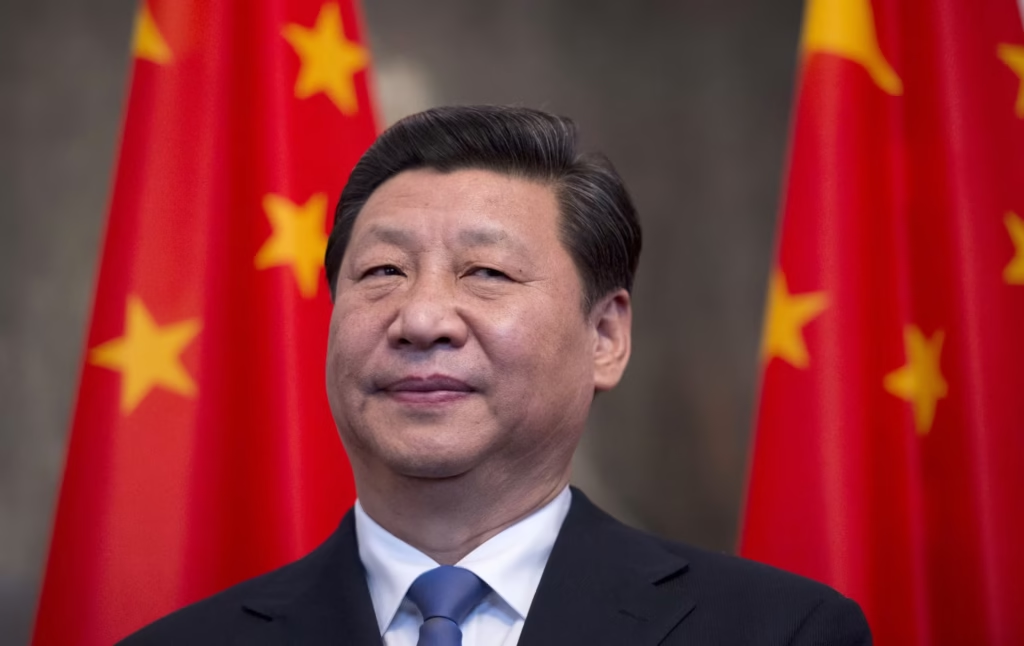
The Broader Technology Race Reshaping the World
China’s renewed technology push does not exist in isolation. It is unfolding at a time when many countries are strengthening their own scientific capabilities in response to growing global competition.
Governments across the world are investing heavily in strategic technologies, including artificial intelligence, quantum computing and advanced materials. These fields are increasingly seen as essential for economic growth and geopolitical influence.
In recent years, tensions between major economies have also highlighted the importance of technological independence. Restrictions on semiconductor exports and disputes over intellectual property have pushed countries to invest more aggressively in domestic innovation.
For China, achieving self-reliance in key technologies is viewed as a matter of national resilience. Leaders argue that relying too heavily on foreign technology could leave the country vulnerable to external pressures.
This context explains why the new development plan focuses not only on innovation but also on building complete technology ecosystems. That includes developing domestic chip manufacturing, strengthening research universities and encouraging private companies to invest in cutting-edge science.
Analysts say the result could be a more fragmented global technology landscape. Instead of a single interconnected innovation system, the world may see multiple technological ecosystems developing in parallel.
What China’s Strategy Means for the Future of Science
The implications of China’s technology ambitions extend far beyond its borders. If the country succeeds in accelerating innovation in fields such as artificial intelligence and quantum computing, it could reshape the global balance of scientific leadership.
Many researchers believe increased competition could actually benefit science. Greater investment in research often leads to faster discoveries, improved technologies and new opportunities for collaboration.
However, the shift also raises questions about how scientific knowledge will be shared across borders. In an environment where technology is increasingly tied to national interests, international research partnerships could become more complex.
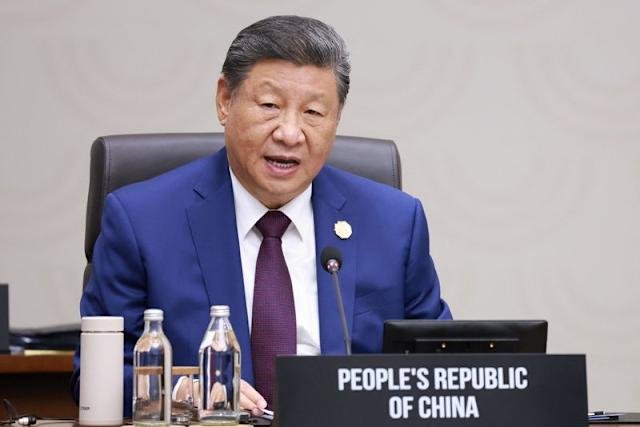
For developing regions, including many African countries, the outcome of this global technology race may carry important lessons. Nations seeking to build their own innovation ecosystems may look closely at how countries like China use long-term planning, public investment and education to drive scientific growth.
The situation also highlights the importance of investing in research and development. Countries that prioritise science and technology today are likely to shape the industries and economies of tomorrow.
As China pushes forward with its strategy, the world will be watching closely. The next decade may reveal whether the country can translate its ambitious plans into the kind of breakthrough innovations that redefine global technology leadership.
For now, one thing is clear. The competition to lead the next wave of scientific discovery has entered a new stage, and China intends to be one of the dominant forces shaping that future.
Join Our Social Media Channels:
WhatsApp: NaijaEyes
Facebook: NaijaEyes
Twitter: NaijaEyes
Instagram: NaijaEyes
TikTok: NaijaEyes