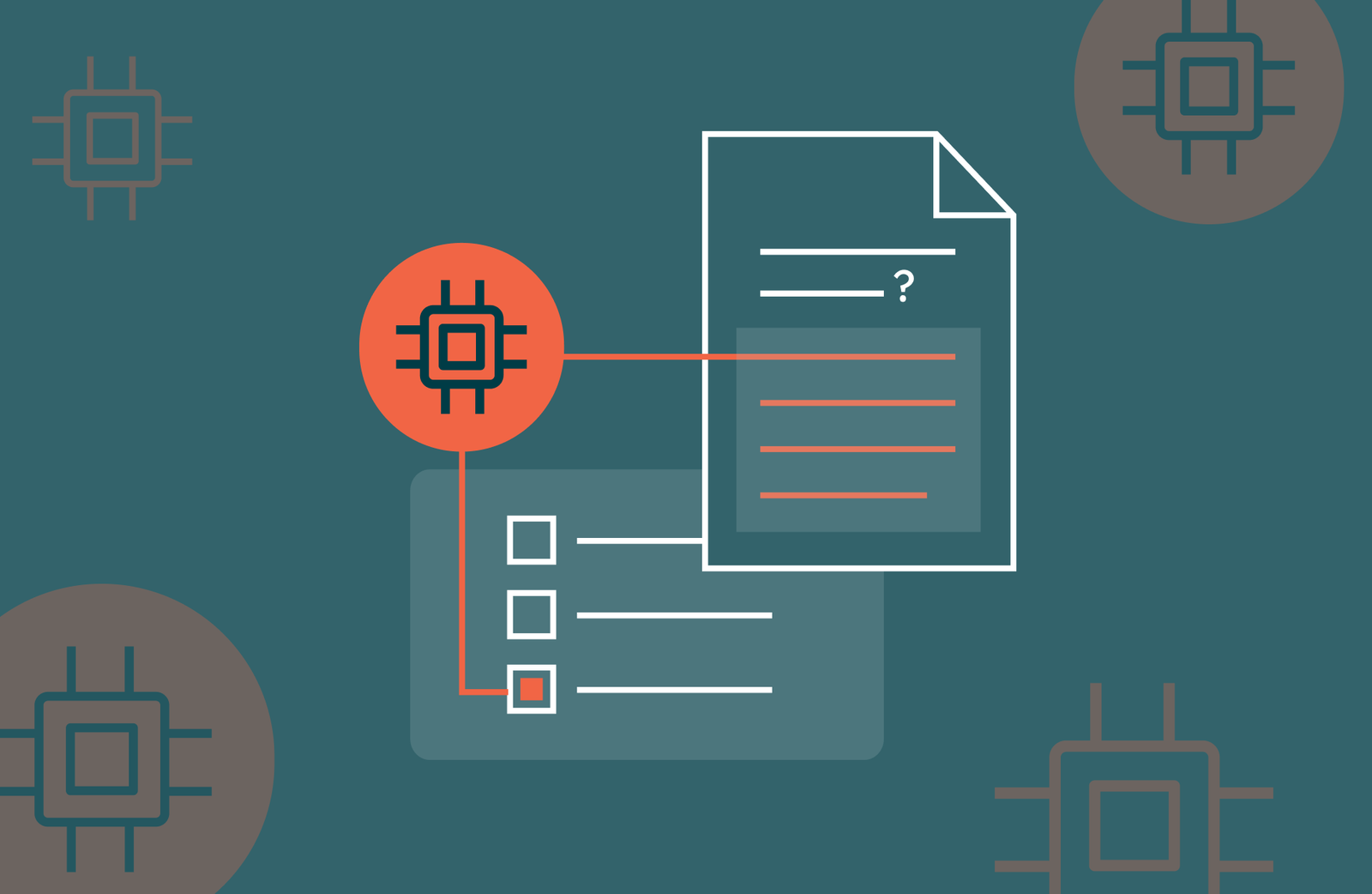

Examination malpractice has long been a persistent challenge within Nigeria’s education system, affecting the credibility of certificates and the integrity of academic institutions. From impersonation to the use of unauthorised materials, the methods have evolved over time, becoming more sophisticated with the rise of digital technologies. In recent years, artificial intelligence has emerged as both a tool for malpractice and a powerful solution to detect and prevent it.
Across secondary schools and tertiary institutions, reports continue to show that malpractice remains widespread. Studies indicate that students increasingly rely on smartphones, internet-enabled devices, and even AI-powered tools to cheat during examinations. These technologies make it easier to access answers within seconds, often without physical interaction, raising serious concerns about academic standards.
However, the same technological wave that has enabled new forms of cheating is also driving innovation in detection. Nigerian educators, policymakers, and examination bodies are gradually turning to AI-based systems to restore credibility and strengthen assessment processes. This shift reflects a broader transformation in how education is managed in a digital-first era.
How AI is Transforming Exam Monitoring and Detection
Artificial intelligence is redefining exam supervision in Nigeria through intelligent monitoring systems that go far beyond traditional invigilation. Unlike human supervisors who may miss subtle signs of malpractice, AI systems can analyse patterns, behaviours, and anomalies in real time.
One of the most significant applications is AI-powered proctoring. These systems use cameras, facial recognition, and behavioural analytics to monitor candidates during examinations. Suspicious actions such as unusual eye movements, multiple faces on screen, or attempts to access external devices can be flagged instantly. Research shows that such systems are capable of detecting irregular activities and preventing cheating attempts before they escalate.
Biometric verification is another critical innovation. By capturing fingerprints, facial data, or other unique identifiers, AI helps eliminate impersonation, a long-standing issue in Nigerian examinations. This ensures that only registered candidates can participate, improving transparency and trust.
Additionally, AI is being used in script analysis and result verification. Algorithms can detect inconsistencies such as identical answer patterns across multiple candidates, unusual handwriting variations, or responses that match marking schemes too perfectly. These insights allow examination bodies to identify malpractice even after exams have been completed.
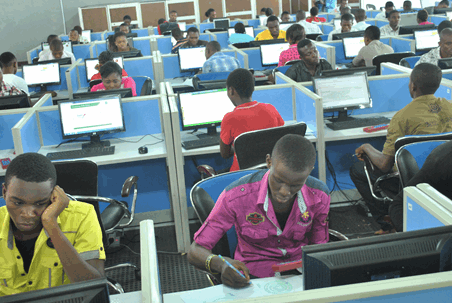
Some Nigerian examination bodies have already begun integrating these technologies. For instance, computer-based testing environments now include automated monitoring tools that track candidate behaviour and flag irregularities. While human invigilators are still present, AI is increasingly acting as a second layer of oversight, improving accuracy and efficiency.

Benefits and Limitations of AI in Nigerian Exams
The adoption of AI in detecting exam malpractice offers several clear advantages. First is accuracy. AI systems can process large volumes of data quickly and identify patterns that may not be visible to human observers. This reduces the likelihood of undetected malpractice and strengthens the credibility of results.
Second is efficiency. Automated systems reduce the workload on invigilators and examination bodies, allowing them to focus on decision-making rather than manual monitoring. This is particularly important in large-scale exams where thousands of candidates are involved.
Third is fairness. AI applies consistent rules across all candidates, minimising bias and ensuring equal treatment. This can help rebuild trust in Nigeria’s examination system, especially among students who feel disadvantaged by widespread malpractice.
Despite these benefits, challenges remain. One major issue is infrastructure. Many schools in Nigeria lack the technological capacity required to implement advanced AI systems effectively. Reliable internet access, stable electricity, and modern hardware are essential, yet not universally available.
Cost is another barrier. Deploying AI solutions can be expensive, making it difficult for public institutions with limited funding to adopt these technologies at scale. Experts have recommended increased government investment and support from private stakeholders to bridge this gap.
There are also concerns about privacy and ethics. AI systems often rely on continuous surveillance, raising questions about data protection and the rights of students. Ensuring transparency and proper regulation will be crucial as adoption grows.
Interestingly, while AI is being used to detect malpractice, it is also being exploited by students to cheat. The same tools that generate answers or assist learning can be misused during exams, creating a continuous cycle of innovation and countermeasures.
The Future of AI-Driven Examination Integrity in Nigeria
Looking ahead, the role of AI in Nigerian examinations is expected to expand significantly. As technology becomes more accessible, more institutions are likely to adopt AI-driven solutions for monitoring, assessment, and evaluation.
Experts believe that a hybrid approach combining AI systems with human oversight will be most effective. While AI can detect patterns and flag anomalies, human judgment remains essential for interpreting results and making final decisions. This balance ensures both efficiency and fairness.
There is also a growing call for policy development and standardisation. For AI to be successfully integrated into Nigeria’s education system, clear guidelines must be established regarding its use, data handling, and ethical considerations. Training for educators and administrators will also be necessary to maximise the benefits of these technologies.
Furthermore, collaboration between the government, private sector players, and educational institutions will play a key role. Investments in infrastructure, research, and capacity building will determine how quickly and effectively AI can transform exam integrity in Nigeria.
Ultimately, artificial intelligence represents a powerful tool in the fight against examination malpractice. While challenges remain, its potential to enhance transparency, improve accuracy, and restore trust in the education system cannot be ignored. As Nigeria continues to embrace digital transformation, AI may well become the cornerstone of a more credible and secure examination process.
Join Our Social Media Channels:
WhatsApp: NaijaEyes
Facebook: NaijaEyes
Twitter: NaijaEyes
Instagram: NaijaEyes
TikTok: NaijaEyes
READ THE LATEST EDUCATION NEWS