
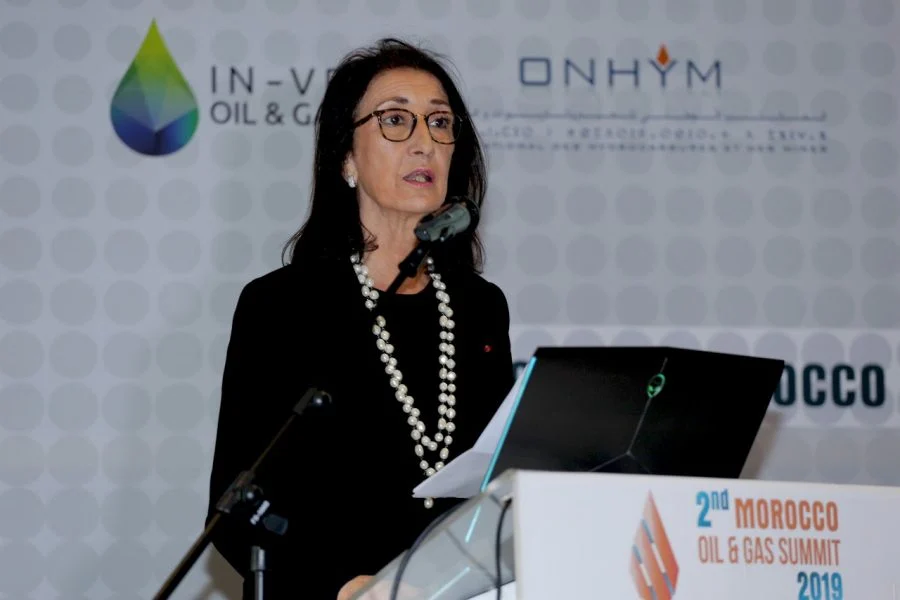
Amina Benkhadra, head of Morocco’s National Office of Hydrocarbons and Mines (ONHYM), said the two countries will sign an intergovernmental agreement (IGA) on the planned $25 billion Nigeria-Morocco gas pipeline this year.
Benkhadra stated in a Reuters report on Monday that Nigeria will establish an authority for the pipeline following the intergovernmental agreement.
Benkhadra also said the authority will provide political and regulatory coordination and will be made up of ministerial representatives from 13 member nations.
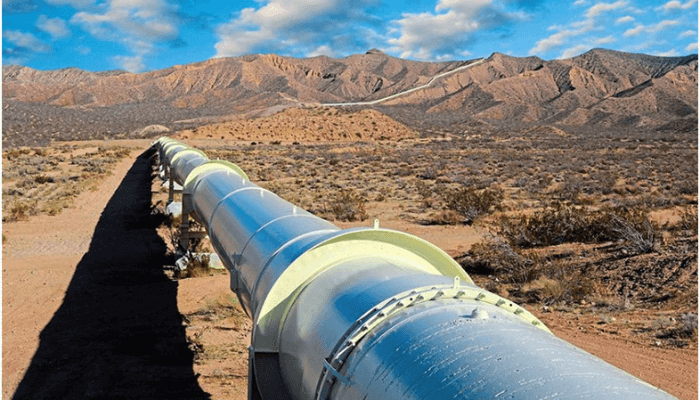
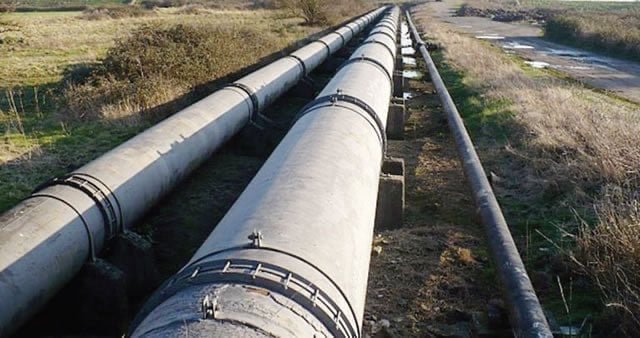
She explained that the Nigeria-Morocco gas pipeline, also known as the African Atlantic Gas Pipeline (AAGP), is a 6,900-kilometre (km) hybrid offshore-onshore route with a maximum capacity of 30 billion cubic metres (bcm), including 15 bcm, which supplies Morocco and supports exports to Europe.
The publication claims that the pipeline has the support of the Economic Community of West African States (ECOWAS) and that front-end engineering design (FEED) and feasibility studies have been finished.
According to Benkhadra, ONHYM and the Nigerian National Petroleum firm (NNPC) would establish a project firm in Morocco as a joint venture to oversee the building, financing, and execution stages.
She also added that the pipeline would encourage economic integration across West Africa by expanding electricity generation and facilitating industrial and mining development.
The agency’s chief added that since the pipeline’s first sections would connect Morocco to gas fields in Senegal and Mauritania and link Ghana to Cote d’Ivoire farther south, it will help Morocco establish itself as an energy bridge between Africa and Europe.
The first gas from the earliest phases is anticipated in 2031, she added, adding that the project’s ultimate section will link Ghana to Nigeria’s gas reserves.
Additionally, she clarified that in order to enable early value build-up, each part is intended to be constructed as a “standalone system.”
Benkhadra added that as final funding pledges have not yet been obtained, the project firm would lead the financing structure and deploy a combination of loan and equity.
“The project is attracting strong interest due to its scale, its phased structure, and its strategic positioning,” Benkhadra added.
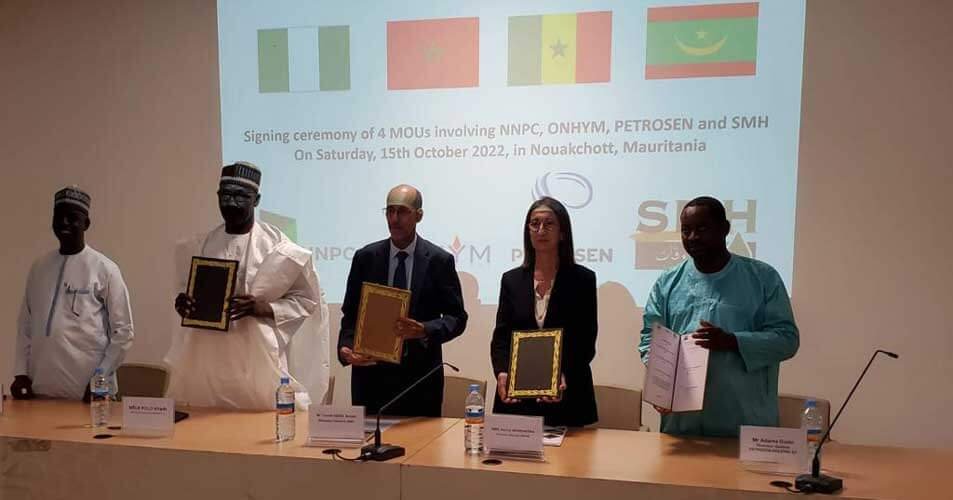
Recall that in October of 2022, NNPC, Morocco, Senegal, and Mauritania signed the project’s memoranda of understanding (MoU).
The TSGP is a projected 4,128 km pipeline that would carry up to 30 billion cubic meters of natural gas per year from Nigeria to markets in Europe via Niger and Algeria.
Join Our Social Media Channels:
WhatsApp: NaijaEyes