Tensions around internet access and national security in Iran have taken a fresh turn after authorities arrested two foreign nationals linked to the importation of satellite internet equipment. The development, reported on April 19, 2026, reflects the country’s growing clampdown on alternative communication channels at a time of prolonged digital blackout and rising geopolitical strain.
According to Iranian media reports cited by international outlets, four individuals were detained in the northwestern region of the country, including two foreigners whose identities and nationalities have not been made public. Authorities allege that the suspects were involved in bringing in devices connected to Starlink, a satellite-based internet system that has become both a lifeline and a flashpoint in Iran’s ongoing information control battle, as reported by Reuters.

A Crackdown Driven by Security Concerns and Digital Control
Iranian officials have framed the arrests within a broader national security context. Reports suggest the detained individuals may be linked to what authorities described as a “US-Israel-linked espionage network,” though concrete evidence has not been publicly disclosed.
The arrest is not an isolated incident. Over the past months, Iran has intensified surveillance and enforcement actions against individuals accused of collaborating with foreign entities or bypassing state-imposed internet restrictions. Hundreds of people have reportedly been detained under similar allegations since the escalation of tensions involving Iran, the United States, and Israel.
At the heart of this crackdown is the government’s concern over uncontrolled access to information. Satellite internet devices such as Starlink terminals allow users to bypass national censorship systems, making them particularly sensitive tools in countries where information flow is tightly regulated. In Iran, possession or use of such devices has been criminalised, with severe penalties attached.
For Iranian authorities, this is not just about technology. It is about sovereignty, control, and the prevention of what they perceive as foreign interference in domestic affairs.
Starlink and the Battle for Internet Freedom
To understand the significance of these arrests, it is important to look at the role Starlink has come to play in Iran’s digital landscape. Developed by SpaceX, Starlink provides internet connectivity via satellites orbiting the Earth, allowing users to connect even in areas where traditional infrastructure is restricted or unavailable.
In recent years, especially during periods of protests and unrest, Starlink has emerged as a critical tool for Iranians seeking access to uncensored global information. Reports indicate that thousands of terminals have been smuggled into the country despite official bans, creating an underground network of connectivity.
However, the Iranian government has responded aggressively. Measures include signal jamming, confiscation of equipment, and strict legal consequences for those caught using or distributing the devices. The state has also invested heavily in building a controlled domestic internet system, often referred to as the National Information Network, which limits access to approved platforms and services.
The result is a digital tug of war. On one side are citizens and activists seeking open access to information. On the other is a government determined to maintain control over its information space.
Internet Blackout, Geopolitics, and the Bigger Picture
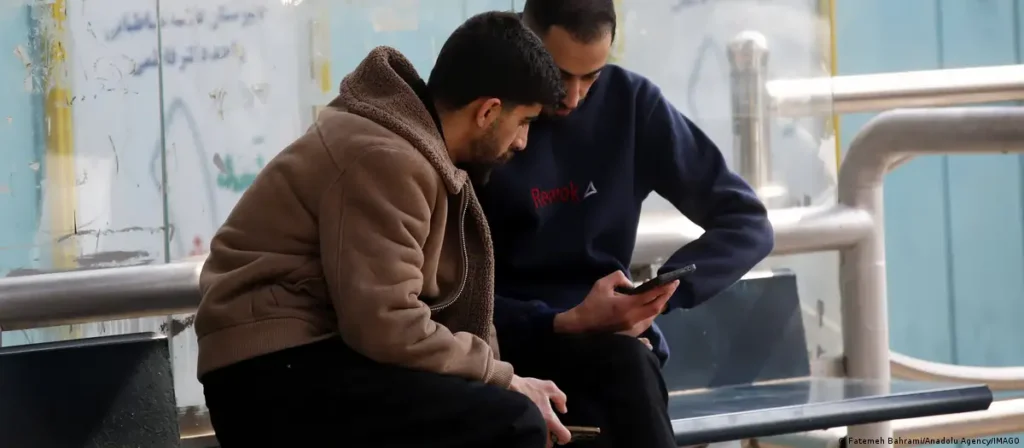
The arrests come against the backdrop of one of the longest internet shutdowns in modern history. Since early 2026, Iran has experienced a near-total disruption of global internet connectivity, with traffic levels dropping drastically and remaining severely restricted for weeks.
This blackout has had far-reaching consequences. Businesses have struggled, communication with the outside world has been limited, and ordinary citizens have found themselves increasingly cut off from global platforms. The economic impact alone has been significant, with millions of dollars reportedly lost daily during earlier phases of the shutdown.
At the same time, geopolitical tensions have heightened the stakes. The ongoing confrontation involving Iran, the United States, and Israel has created an atmosphere of suspicion and urgency. Iranian authorities have repeatedly warned of foreign plots to destabilise the country, often linking such threats to technological tools like satellite internet systems.
This context helps explain why something as seemingly technical as importing internet equipment can be treated as a national security issue.
For observers outside Iran, the situation raises important questions about digital rights, state control, and the future of global connectivity. While governments have legitimate security concerns, critics argue that prolonged internet shutdowns and harsh penalties for accessing information undermine fundamental freedoms.

What This Means for the World and Nigeria
Although the incident is unfolding thousands of kilometres away, its implications are global, including for countries like Nigeria.
First, it highlights the growing importance of satellite internet technologies. As traditional internet infrastructure becomes more vulnerable to disruption, satellite-based systems are emerging as alternative lifelines. For Nigeria and other African nations, this presents both opportunities and challenges. On one hand, such technologies can expand connectivity in underserved areas. On the other, they raise regulatory and security questions that governments will need to address carefully.
Second, the situation underscores the delicate balance between national security and digital freedom. As more countries invest in digital infrastructure and cybersecurity, debates around censorship, surveillance, and access to information are likely to intensify.
Finally, the arrests serve as a reminder that technology is no longer neutral. Tools like Starlink are not just communication platforms. They are now part of a broader geopolitical landscape where information, access, and control can influence power dynamics between nations.
For young Nigerians, tech professionals, and policymakers, this is a moment to pay attention. The future of the internet will not just be shaped by innovation, but also by how societies choose to regulate and protect it.
Join Our Social Media Channels:
WhatsApp: NaijaEyes
Facebook: NaijaEyes
Twitter: NaijaEyes
Instagram: NaijaEyes
TikTok: NaijaEyes