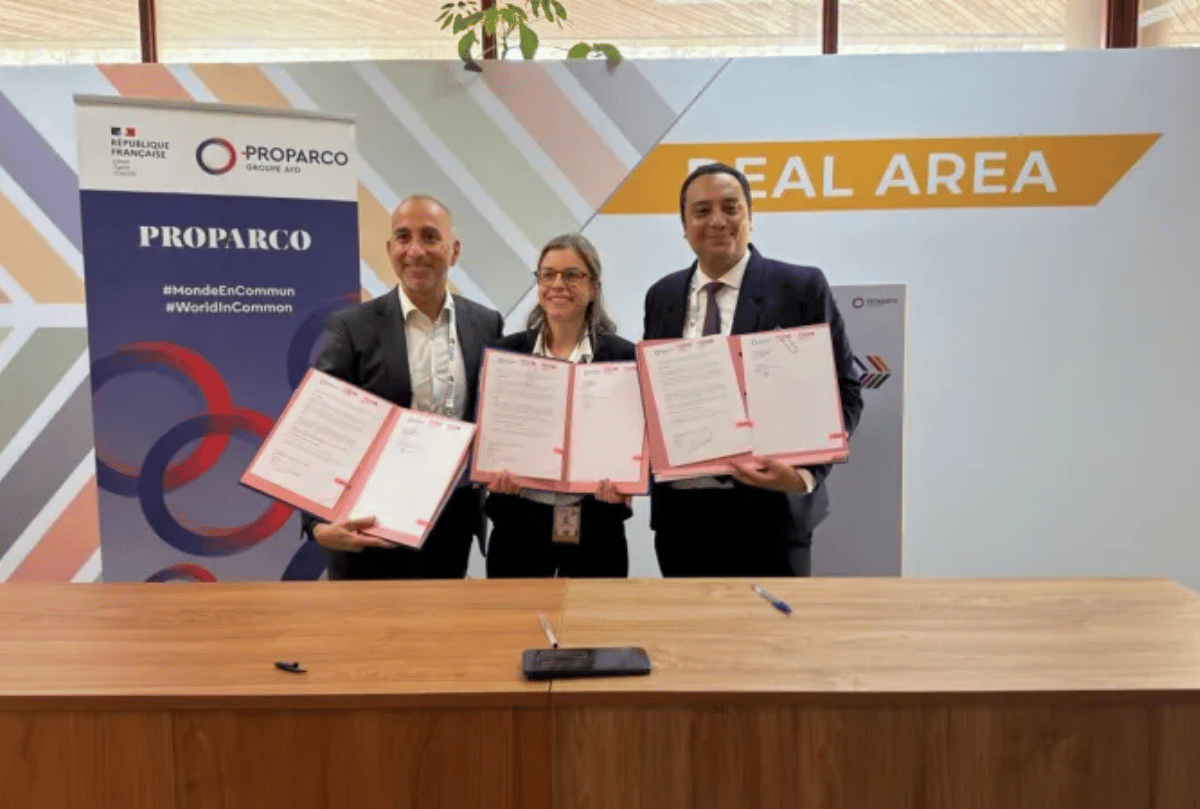

French development finance institution Proparco has entered a major partnership with Yas and AXIAN Energy in a move that could significantly reshape digital connectivity and renewable energy infrastructure across Africa.
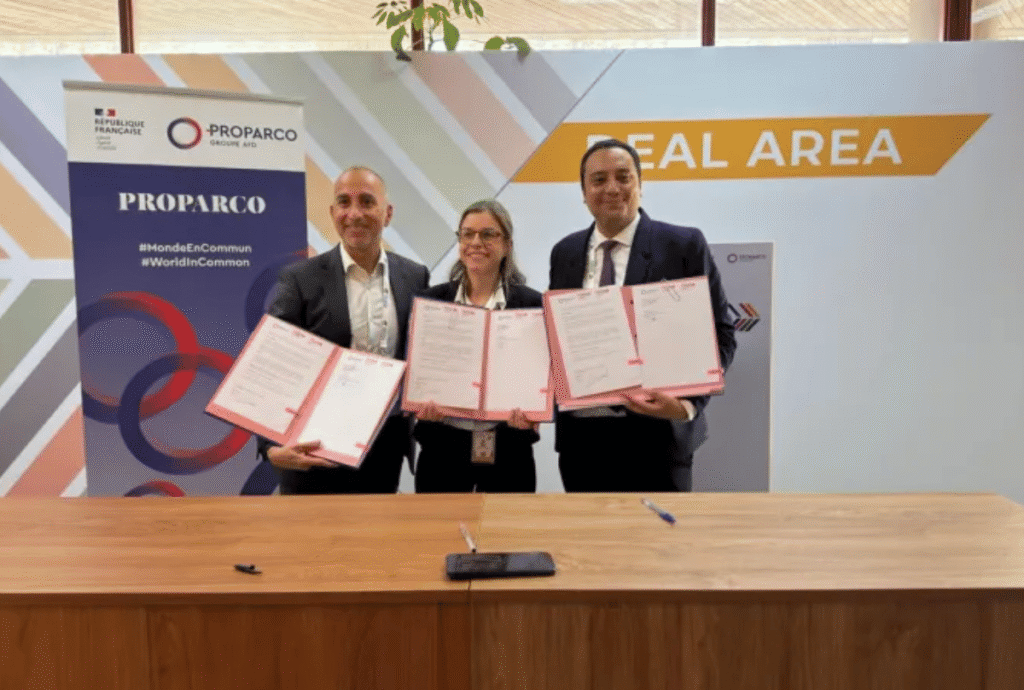
The three organisations signed a Memorandum of Understanding aimed at supporting broadband expansion, renewable energy projects, financial inclusion and digital innovation across several African countries. Under the agreement, Proparco plans to commit up to €300 million over the next three years to support the expansion of AXIAN’s operations and long-term infrastructure investments on the continent.
The announcement comes at a time when African governments, telecom operators and investors are under increasing pressure to close the continent’s connectivity gap while also accelerating the transition to cleaner and more reliable energy systems. Millions of people across rural and underserved communities still lack stable electricity and affordable internet access, two challenges that continue to slow economic growth and digital inclusion.
According to the partners, the agreement will focus heavily on scaling fixed and mobile networks, improving rural connectivity and strengthening digital affordability. The collaboration will also target the development of data centres to support local cloud infrastructure, artificial intelligence services and digital storage capacity across African markets.
Executives involved in the deal say the partnership reflects a broader recognition that Africa’s digital future cannot succeed without parallel investments in energy infrastructure. Telecom networks, data centres and financial technology platforms all depend on a stable and sustainable electricity supply, especially as demand for digital services continues to rise.
Françoise Lombard, Chief Executive Officer of Proparco, described access to energy and digital services as critical pillars of sustainable development across the continent. She said the partnership is expected to accelerate investments in resilient infrastructure capable of delivering measurable impact for African communities.
Hassanein Hiridjee, Chief Executive Officer of AXIAN Group, also stressed that digital access and energy access are deeply connected in Africa’s development journey. He noted that the collaboration would help scale solutions already serving millions of Africans while extending services to communities still lacking basic infrastructure.

Renewable Energy, Telecom Infrastructure and Financial Inclusion at the Centre
One of the biggest highlights of the agreement is the focus on renewable energy generation and energy-efficient telecom infrastructure.
The partners plan to collaborate on solar, wind and hydropower projects while also investing in battery storage systems and electricity transmission networks. The deal further includes plans to support decentralised energy systems such as mini grids, which are increasingly seen as one of the fastest ways to electrify rural communities across Africa.
Electric mobility infrastructure and charging systems also form part of the agreement, signalling growing investor interest in Africa’s emerging clean transport sector.
Industry observers say the timing is important. Energy demand across Africa is growing rapidly alongside increasing internet usage, smartphone adoption and digital financial services. Telecom towers and data centres require enormous amounts of electricity, creating stronger demand for cleaner and more efficient power systems.
The agreement also includes support for Telecom Energy Service Companies, commonly known as T ESCOs, which help telecom operators improve energy efficiency and reduce dependence on diesel-powered infrastructure. This could lower operational costs while helping operators meet sustainability targets.
Beyond infrastructure, the partnership aims to deepen financial inclusion through digital finance platforms, including mobile money, insurance, savings products and microcredit services. Africa’s fintech sector has expanded rapidly over the last decade, but millions of people across rural communities remain outside the formal financial system.
By combining telecom expansion with digital financial services, the partners believe they can help unlock greater economic participation for underserved populations.
The agreement will also support African startups and innovative businesses through improved access to financing and ecosystem development. Analysts say this could create fresh opportunities for technology entrepreneurs working in sectors such as fintech, clean energy, artificial intelligence and digital commerce.
Back Story: AXIAN’s Growing Influence Across Africa
The new agreement builds on a period of aggressive expansion for AXIAN Group and its telecom operations across Africa.
AXIAN Telecom has steadily expanded its footprint in telecoms, fintech and infrastructure over the years, growing into one of Africa’s fastest rising digital infrastructure groups. The company operates across multiple African markets, including Tanzania, Senegal, Togo, Madagascar and Uganda.
In recent years, the company has repositioned many of its telecom operations under the Yas brand as part of a broader pan-African strategy focused on digital inclusion and youth-driven connectivity.
Earlier in 2025, the African Development Bank approved a $160 million loan to support AXIAN Telecom’s expansion plans across several African countries. That funding was targeted at accelerating 4G and 5G rollout, strengthening financial inclusion and improving digital access for underserved communities.
The company has also pursued strategic partnerships with global technology firms. In February 2026, AXIAN Telecom signed another Memorandum of Understanding with Huawei to modernise telecom infrastructure, expand cloud-based networks and deploy next-generation digital services across Africa.
At the same time, AXIAN Energy has been increasing its investments in renewable energy projects across the continent, particularly in solar infrastructure and energy transition initiatives. The group has expanded into several African markets with the aim of supporting cleaner electricity generation and improving energy access.
The latest agreement with Proparco, therefore, represents more than just another financing deal. It reflects a wider continental trend where telecom growth, renewable energy investment and financial technology are becoming increasingly interconnected.
Why the Deal Matters for Africa’s Economic Future
For many analysts, the significance of this partnership goes beyond the headline €300 million financing figure.
Africa remains one of the least connected regions globally despite rapid mobile adoption and increasing internet penetration. Large parts of rural Africa still experience weak network coverage, high internet costs and unreliable electricity supply. These gaps continue to affect education, healthcare delivery, business growth and digital innovation.
Infrastructure financing has also remained one of the continent’s biggest challenges. Many governments face rising debt pressures, making private sector partnerships increasingly important for long-term infrastructure development.
By combining development finance with private sector telecom and energy expertise, the Proparco, Yas and AXIAN Energy partnership could provide a model for future infrastructure investment across Africa.
The focus on local data centres is also drawing attention. As African countries generate more digital traffic, demand for local storage and processing capacity continues to rise. Data localisation, cloud computing and artificial intelligence are becoming central to economic competitiveness, making digital infrastructure investment increasingly strategic.
Experts believe investments in local data centres could reduce latency, improve digital sovereignty and support African startups building AI-powered services and digital platforms.
Renewable energy development could also have far-reaching economic effects. Stable electricity supply remains one of the biggest obstacles facing businesses across several African countries. Increased investment in solar, wind and mini grid solutions could help reduce dependence on unstable national grids while improving business productivity and household energy access.
The partnership further highlights the growing role of blended finance in Africa’s development landscape, where public development finance institutions collaborate with private companies to fund high-impact infrastructure projects.
For Nigeria and other African economies pushing digital transformation agendas, the agreement sends a strong signal that international investors continue to see major long-term opportunities in Africa’s digital economy despite ongoing economic uncertainty.
As competition intensifies among telecom operators, fintech firms and renewable energy providers, partnerships like this may increasingly define how Africa builds the infrastructure needed for its next phase of economic growth.
Join Our Social Media Channels:
WhatsApp: NaijaEyes
Facebook: NaijaEyes
Twitter: NaijaEyes
Instagram: NaijaEyes
TikTok: NaijaEyes