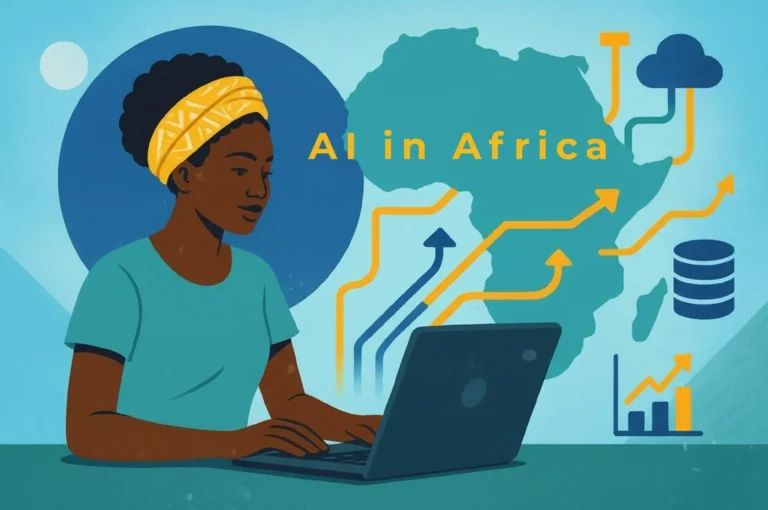

Kenya is stepping up efforts to position its young people at the centre of Africa’s fast-growing digital economy with a new national push for Artificial Intelligence and robotics education.
The initiative, led by the Communications Authority of Kenya in partnership with the International Telecommunication Union, Kenya’s Ministry of Information, Communications and the Digital Economy, and the Ministry of Education, is focused on helping students develop practical technology skills that can prepare them for future jobs and innovation opportunities.
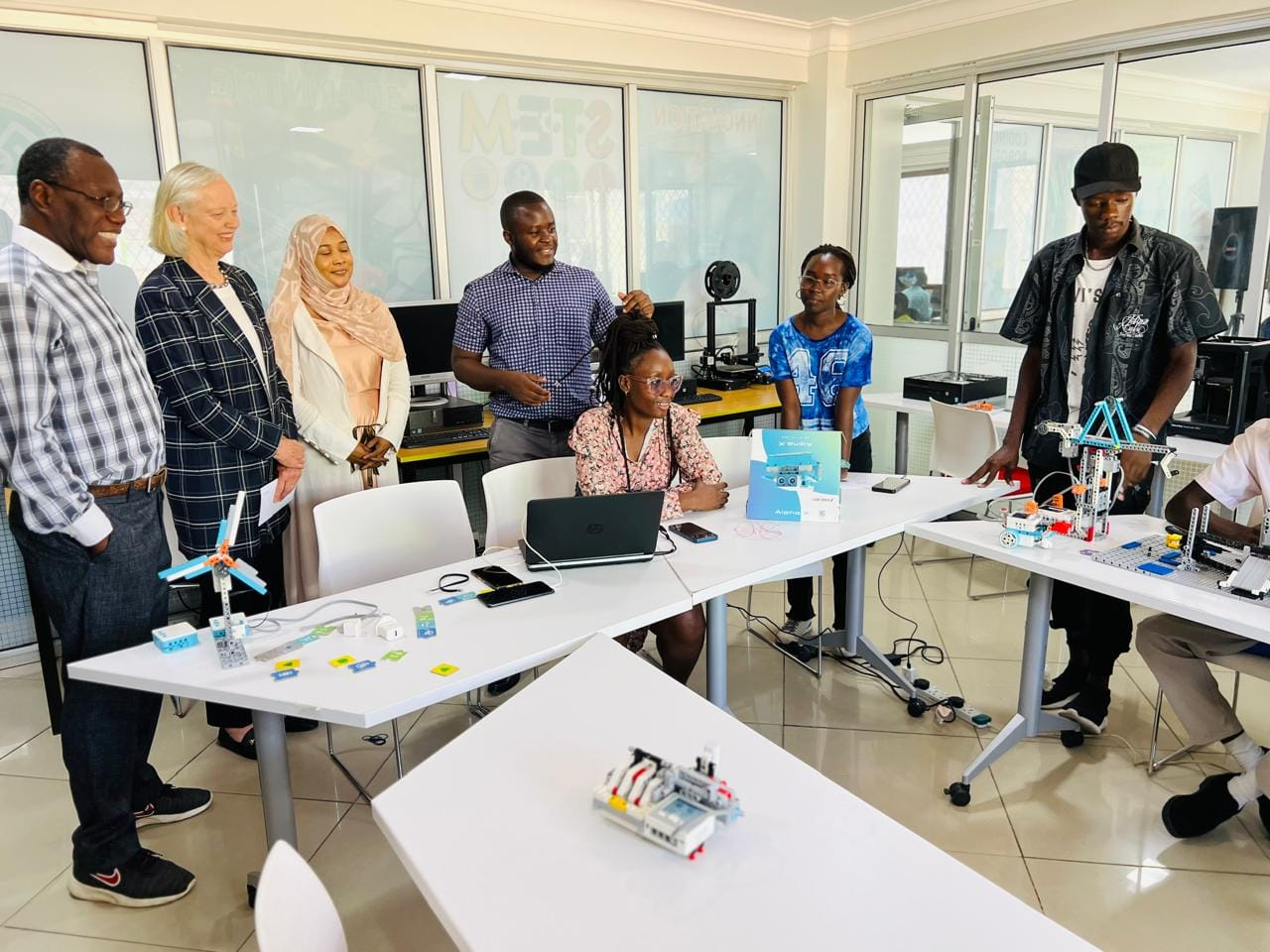
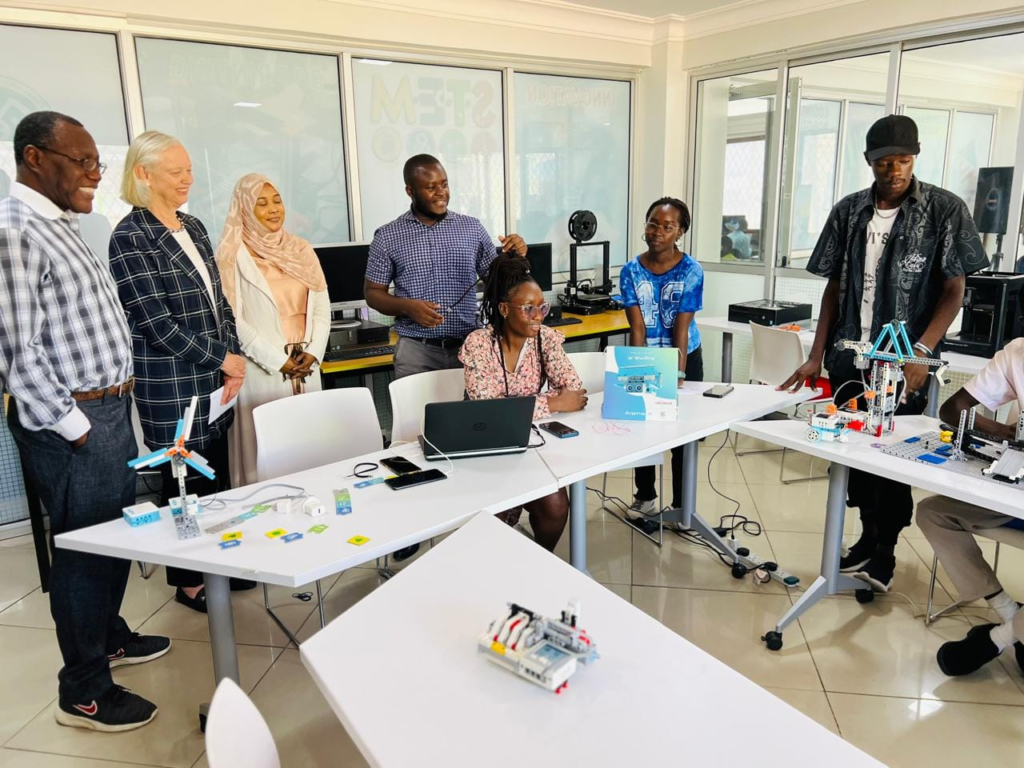
The programme recently took centre stage during a national innovation exhibition and workshop held at the Centre for Mathematics, Science and Technology Education in Africa, where students from schools across Kenya showcased AI-powered and robotics-driven projects designed to solve real-life challenges.
For many observers, the event was more than just another school competition. It reflected a wider shift happening across Africa as governments increasingly recognise that AI literacy, robotics training and digital innovation could shape the continent’s economic future.
Kenya’s authorities say the programme aims to build a pipeline of young innovators capable of creating technology solutions for sectors such as healthcare, agriculture, education, manufacturing and climate resilience. The initiative includes robotics competitions, innovation hubs, mentorship programmes and practical digital training sessions for learners.
Across Africa, conversations around AI are no longer limited to big tech companies and university researchers. Schools are becoming the new battleground for digital competitiveness as countries race to prepare students for an economy increasingly shaped by automation and intelligent systems.

Kenya Positions Itself as a Regional AI Innovation Hub
Kenya has steadily built a reputation as one of Africa’s most active technology ecosystems, with Nairobi often referred to as East Africa’s Silicon Savannah. The country has become known for digital finance innovation, startup development and growing investments in emerging technologies.
Recent reports suggest Kenya is also making deliberate moves to strengthen its AI capacity through policy, education and infrastructure investments.
The latest youth-focused robotics and AI initiative appears to fit into that broader national ambition.
Officials involved in the programme say innovation and digital skills are becoming critical for economic growth and job creation. They believe exposing students to AI and robotics early could help produce a generation capable of competing globally while also solving uniquely African problems.
That approach mirrors what many countries around the world are already doing. From China to parts of Europe and North America, governments are integrating AI learning into school systems as demand for digital talent continues to rise.
For African countries, however, the stakes may be even higher.
The continent has one of the world’s youngest populations, with millions of young people expected to enter the workforce over the next decade. Experts have repeatedly warned that without aggressive investment in digital skills and STEM education, many countries could struggle to keep pace with changes driven by AI and automation.
Research into AI education across African countries has also highlighted major challenges including infrastructure gaps, limited funding, poor access to training opportunities and uneven technology access between urban and rural communities.
Despite those obstacles, momentum around AI learning in Africa continues to grow.
Institutions across the continent are expanding training programmes as businesses and governments search for professionals who understand how to apply AI responsibly and effectively.

Why Africa’s Youth Could Shape the Future of AI Innovation
One of the strongest messages emerging from Kenya’s initiative is that young Africans should not only consume technology developed elsewhere but also create solutions tailored to local realities.
That vision is already beginning to take shape across several sectors.
In agriculture, Kenyan innovators are experimenting with AI-powered systems that provide farmers with weather updates, crop advice and multilingual support tools.
In healthcare and education, researchers are exploring AI systems that improve access to learning materials and medical study resources, particularly in low-resource environments where internet connectivity and infrastructure remain inconsistent.
Kenyan innovators are also building AI tools for environmental protection, sign language translation and climate monitoring, demonstrating how local innovation can address African challenges directly.
Nigeria is also seeing growing interest in AI-driven youth innovation.
Projects linked to smart cities, digital infrastructure and creative technology continue to expand, especially in Lagos where public and private sector investments in technology ecosystems are accelerating.
At the same time, African storytelling around technology is becoming more visible. Productions such as Makemation have highlighted how young Africans, especially girls, can use AI and STEM skills to transform their communities and tackle social challenges.
For educators and policymakers, initiatives like Kenya’s robotics programme represent more than technical training. They are increasingly viewed as long-term economic strategies.
The future workforce may require young people who can work alongside AI systems, understand automation tools and adapt to rapidly changing industries. Governments that fail to prepare students for that future risk widening unemployment gaps and missing opportunities in the global digital economy.
Back Story: Africa’s Growing Race to Build AI Talent
The latest initiative in Kenya did not emerge in isolation. It is part of a broader continental movement focused on AI readiness and digital transformation.
Over the last few years, African governments, universities, startups and international organisations have intensified efforts to expand AI training and innovation ecosystems.
The International Telecommunication Union has already launched several AI and robotics education projects aimed at young people across Africa, including programmes that provide robotics kits, teacher training and AI learning resources for students aged 10 to 18.
Countries such as Rwanda, Ghana, South Africa and Ethiopia are also pushing national AI strategies, while universities and innovation hubs continue to emerge across the continent.
Industry analysts believe Africa’s youthful population could become one of its greatest advantages if governments invest early in technology education and digital infrastructure.
Still, experts caution that enthusiasm alone will not solve the problem. Access to electricity, affordable internet, qualified teachers and modern equipment remains uneven across many African countries.
There are also growing concerns about responsible AI use, ethics, data governance and ensuring that African communities are not left behind as global AI adoption accelerates.
Even so, Kenya’s latest move signals that African countries are no longer waiting on the sidelines of the AI conversation.
Instead, they are increasingly trying to shape what that future looks like by investing in classrooms, innovation hubs and the next generation of young creators.
Join Our Social Media Channels:
WhatsApp: NaijaEyes
Facebook: NaijaEyes
Twitter: NaijaEyes
Instagram: NaijaEyes
TikTok: NaijaEyes