
Africa’s digital future depends not only on faster internet or smarter artificial intelligence but also on whether technology can understand the way Africans naturally communicate. Across the continent, millions of people effortlessly switch between languages in everyday conversations, yet most voice AI systems still struggle to keep up.
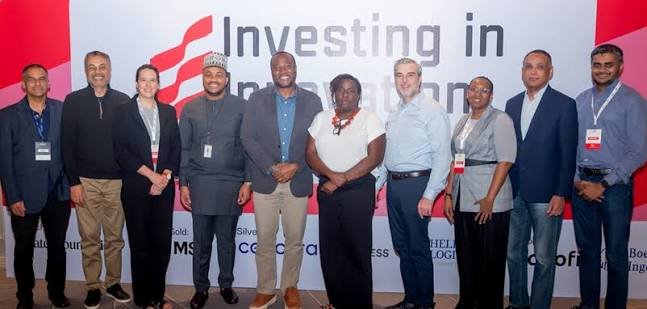
According to Techcabal, recognising this gap, African voice technology company Intron has unveiled the Sahara CodeSwitch Africa Challenge, a new competition aimed at helping developers create voice applications that reflect Africa’s multilingual reality. The initiative was launched during the 2026 Deep Learning Indaba in Lagos and immediately attracted widespread interest, with 97 teams from 19 countries signing up on the first day.
The competition invites developers, researchers, startups, students and multidisciplinary teams to build voice-powered solutions for sectors such as healthcare, financial services, customer support, education and agriculture. Beyond creating functional applications, participants are expected to evaluate how different speech recognition models perform when faced with the language mixing that is common across African communities.
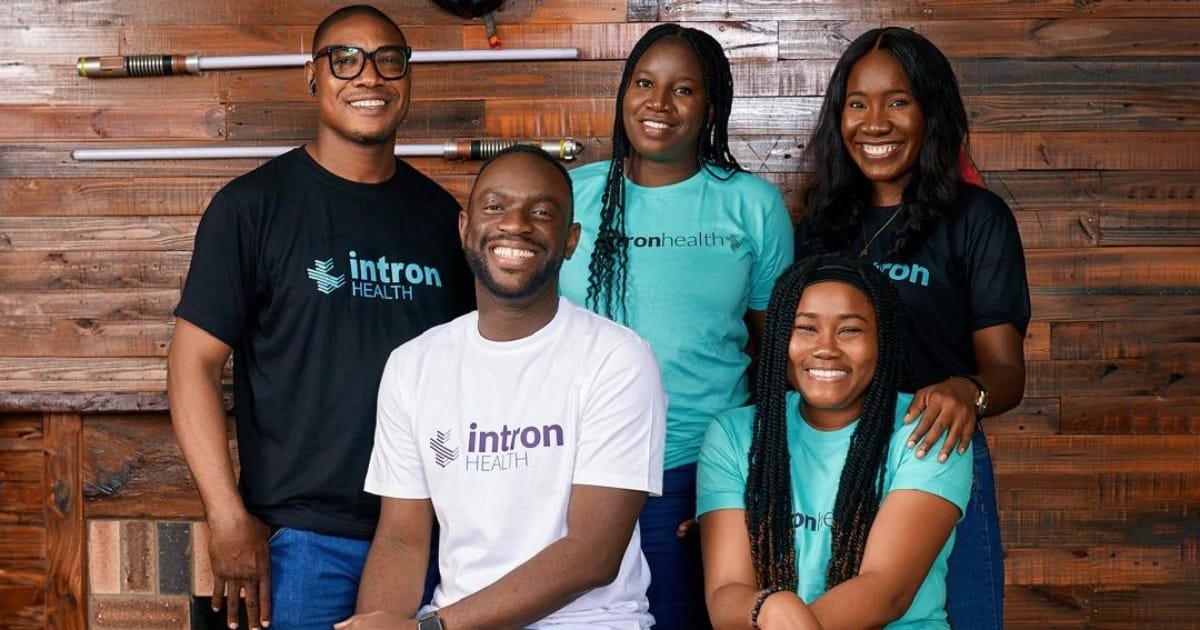
According to Intron Founder and Chief Executive Officer, Tobi Olatunji, language mixing remains one of the biggest obstacles preventing voice AI from performing effectively in real African environments.
He explained that millions of Africans naturally combine English with indigenous languages or switch between local languages during conversations, yet many existing speech models were never designed for that reality. The competition, he said, is intended to encourage the wider AI community to develop solutions that better represent how Africans actually speak while identifying areas where current voice technologies still fall short.
Also Read: Why Schools Should Lead AI Education Instead of Banning Technology
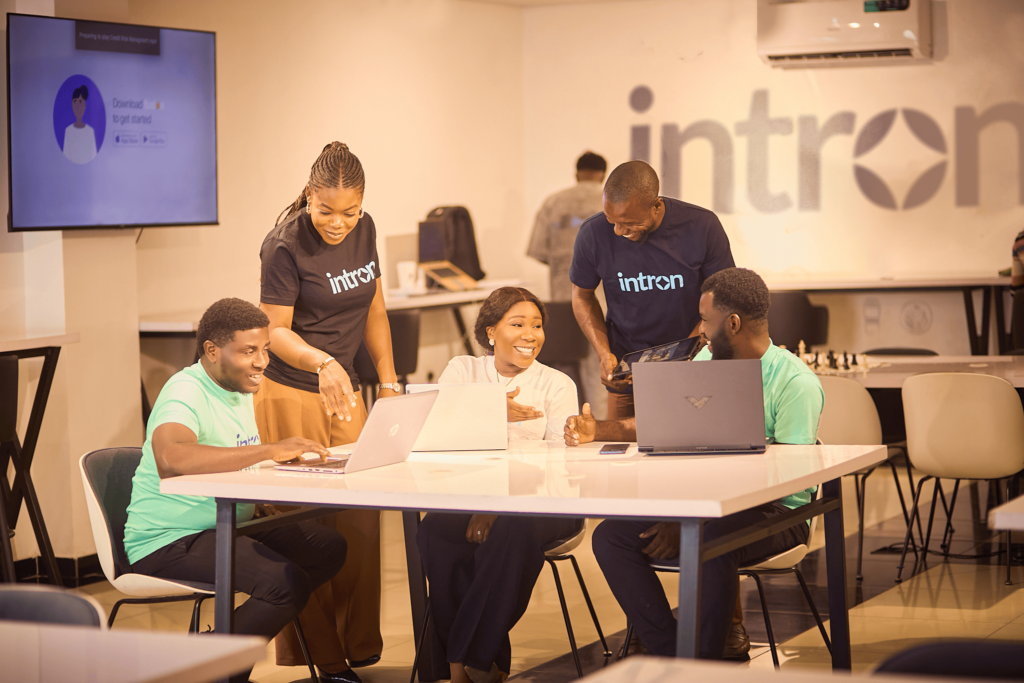
Competition encourages practical AI solutions for real-world challenges
Unlike many AI competitions that focus only on improving speech recognition accuracy, the Sahara CodeSwitch Africa Challenge places greater emphasis on building complete products capable of solving everyday problems.
Participants are required to develop applications that use voice technology to perform meaningful tasks rather than simply converting speech into text. Their solutions must also compare the performance of multiple speech models, including Intron’s Sahara platform alongside other commercial and open source systems.
The evaluation reports produced during the challenge are expected to highlight where current voice AI performs well, where it struggles and what improvements are needed across industries such as healthcare, customer service, legal services and financial technology.
To support participants, Intron is providing early beta access to Sahara version 2.5, featuring bilingual speech-to-text and text-to-speech capabilities covering 12 African language combinations.
Teams will also receive access to AfriSwitch, an open benchmark dataset containing naturally spoken African multilingual conversations across 14 language pairs. Another resource, AfriSwitchCare, focuses specifically on medical conversations and includes code-switched speech data covering 10 languages.
Participants will also benefit from technical guidance, onboarding resources and the opportunity to qualify for the NVIDIA Nemotron ASR Masterclass, giving developers additional exposure to advanced speech AI technologies.
Also Read: Africa’s Growing Investment in AI Research and Innovation Is Shaping the Continent’s Digital Future
Back story
Voice AI has made significant progress globally, but most commercial systems have been developed using datasets dominated by English and a handful of other major international languages. As a result, they often struggle to understand conversations where speakers frequently alternate between different languages.
This challenge is particularly evident across Africa, home to more than 2,000 languages and countless multilingual communities. In countries such as Nigeria, Kenya, Ghana and South Africa, switching between English, indigenous languages and local dialects within a single conversation is common practice.
Intron has focused on addressing this challenge by building speech recognition and text-to-speech technologies specifically designed for African languages, accents and multilingual communication. Its platforms are already being applied in healthcare, financial services, customer experience, legal operations and public sector services where accurate voice recognition can improve efficiency and accessibility.
The Sahara CodeSwitch Africa Challenge is being organised in collaboration with the MLC Africa Agentic AI Workshop and forms part of wider efforts to strengthen African AI research while encouraging locally relevant innovation.
From Deep Learning Indaba to a continent-wide innovation movement
The competition begins with the MLC Africa and Intron Agentic Voice AI Hackathon, taking place from August 3 to August 7 during the Deep Learning Indaba. Project submissions close on August 6, with winners scheduled to be announced the following day.
Successful teams will then advance to the main Sahara CodeSwitch Africa Challenge, which runs from August 15 to September 15, 2026.
The organisers have announced a total prize pool of 10,000 US dollars, with awards distributed across five categories including healthcare, fintech and telecommunications, legal and public services, agriculture and education, as well as other high-impact applications.
Finalists will present their solutions during a virtual Partner Demo Day, where they will pitch directly to judges, technology partners and organisations interested in deploying innovative voice AI solutions.
The initiative has attracted support from several leading organisations working across technology, research, healthcare and financial services, including NVIDIA, Masakhane African Languages Hub, CLEAR Global, Wema Bank, PATH, Gooey.ai, CcHUB and Turn.io.
As artificial intelligence becomes increasingly integrated into everyday life, initiatives such as the Sahara CodeSwitch Africa Challenge highlight a growing determination among African innovators to build technologies that understand the continent’s unique linguistic diversity instead of forcing users to adapt to systems designed for entirely different environments.