
Africa’s health technology space received a fresh boost after Investing in Innovation Africa, known as i3, announced four new partnerships designed to tackle practical healthcare challenges across the continent.
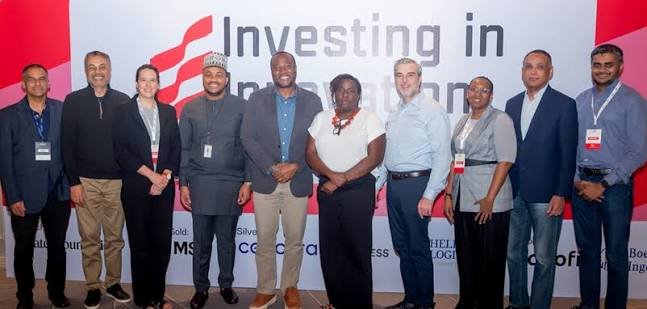
The deals, unveiled at i3’s fourth annual Access to Markets event in Kigali, Rwanda, on September 29, 2026, bring together African healthtech companies, financial institutions, pharmaceutical players and regulators. The focus is not simply on creating digital tools, but on helping existing solutions reach more patients, pharmacies and health facilities.
According to i3’s official announcement, the collaborations cover pharmacy financing in Tanzania, chronic disease management in East Africa, pharmaceutical supply chains across Sub-Saharan Africa and digital regulation of pharmacy services in Nigeria.

Four deals target financing, chronic care and medicine safety
One agreement connects Tanzanian healthtech company Dawa Mkononi with NMB Bank. The partnership will expand interest-free working capital for pharmacies, drug shops and health facilities. Financing will be delivered through Dawa Mkononi’s digital platform and credit-scoring system, which the company says has already supported more than US$6 million in financing to frontline facilities, with a reported 0.3 per cent non-performing rate.
The importance of this arrangement is easy to understand. A pharmacy can have customers and still struggle when cash is tied up in medicine stock. By connecting digital ordering and financing, the partnership aims to help eligible healthcare businesses keep essential products available.
In Kenya, digital pharmacy company MYDAWA is partnering with Endless Health to design, test and document a digital-first approach to hypertension and diabetes care for low and middle-income patients. Developed with Ariadne Labs, the project is expected to build evidence around private pharmacies as a channel for chronic disease services in East Africa.
The third agreement involves Meditect and Boehringer Ingelheim. Meditect will receive debt financing to support expansion into new and existing Sub-Saharan African markets, while also advancing the digitisation of pharmaceutical supply chains. The partnership is tied to the broader need for reliable access to affordable, authentic and quality medicines.
Nigeria takes centre stage with AI regulation partnership
For Nigeria, the partnership between Sproxil and the Pharmacy Council of Nigeria, PCN, is particularly significant. The two organisations signed a Memorandum of Collaboration focused on using digital technology and artificial intelligence in pharmacy regulation.
The collaboration will support work around the National Electronic Pharmacy Platform, oversight of online pharmaceutical sales, digitisation of PCN field audit processes and expanded delivery of Mandatory Continuing Professional Development for pharmacists. Importantly, PCN will retain its regulatory authority, while Sproxil is expected to provide technology and data infrastructure.
The agreement was formalised in Kigali during the i3 event and comes as pharmacy services increasingly move into digital channels. Pharmanews reported that the collaboration is focused on the responsible use of agentic AI for pharmacists and e-pharmacies, alongside Nigeria’s changing regulatory environment for electronic pharmacy practice.
Also Read: Africa’s Education Funding Crisis Is Pushing Governments to Seek More Support From Philanthropists
Back story: i3 is building a bridge between healthtech and the market
The latest agreements form part of a wider strategy i3 has pursued since its launch in 2022. Rather than only supporting startups at the innovation stage, the programme connects African healthtech businesses with governments, donors, healthcare organisations and private-sector partners that can help them commercialise and scale.
i3 says its Access to Markets programme has facilitated more than 760 tailored introductions, producing 165 partnerships, pilots and memorandums of understanding valued at more than US$19 million. As of April 2026, participating innovators had reached more than 6.85 million patients and tracked, protected or distributed more than 209 million health products.
The 2026 Access to Markets gathering brought together more than 20 African innovators and 57 global and regional industry players. i3 said the participating companies collectively support patient access and medicine safety through about 3,500 health facilities across 19 African countries.
That makes the latest deals worth watching beyond the announcements themselves. Their real significance will depend on execution: whether pharmacies gain easier access to stock, whether patients with chronic illnesses receive better support, whether medicine supply chains become more transparent and whether Nigeria’s digital pharmacy ecosystem can adopt AI while maintaining effective regulation.
For African healthtech, partnerships such as these move from announcements into measurable impact.
Also Read: Africa’s Education Funding Gap Is Driving Governments Towards Philanthropic Support