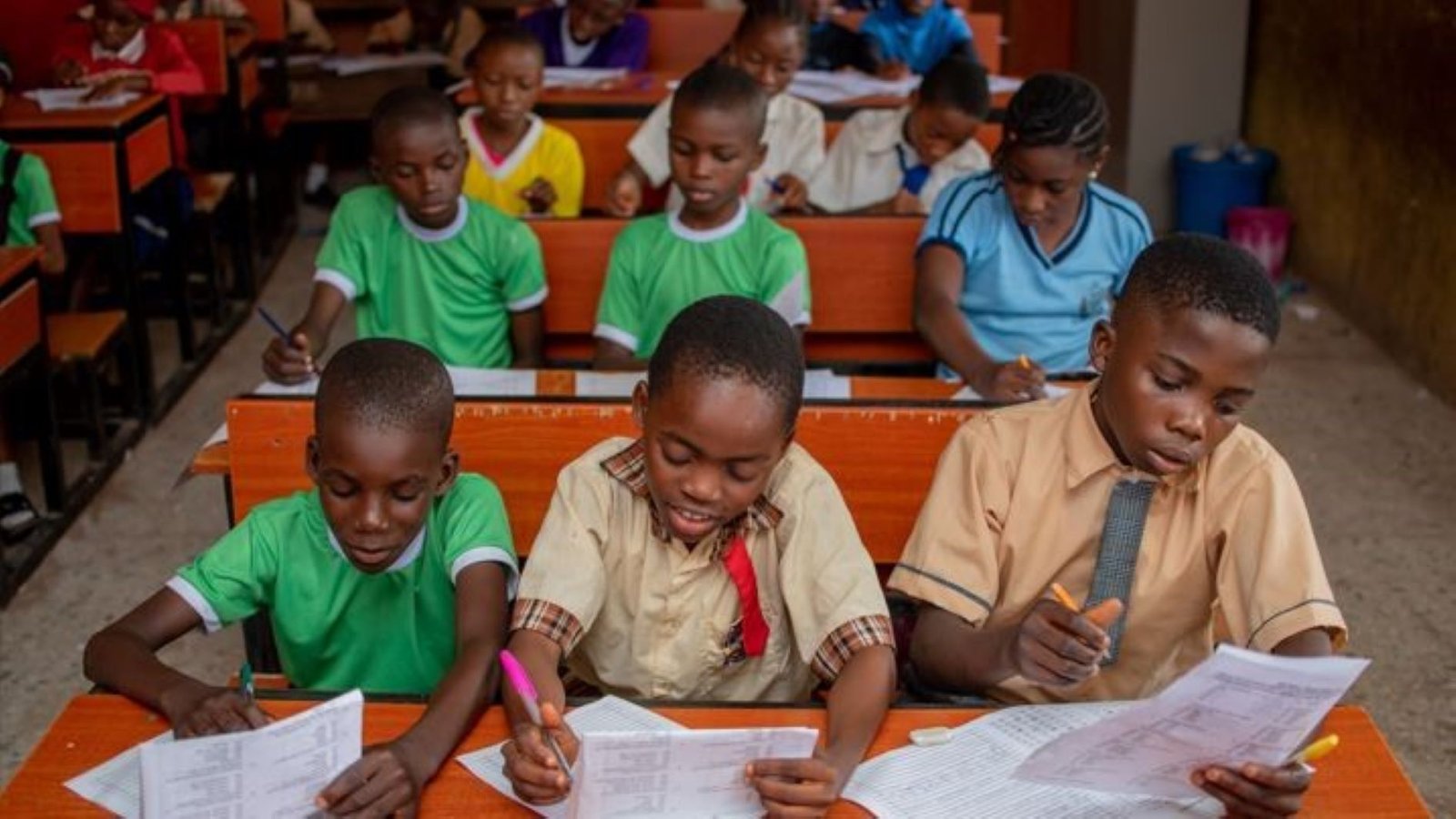

Africa’s education sector is facing a difficult financial reality as governments struggle to fund growing demands for schools, teachers, infrastructure and digital learning. With public finances under pressure and international development assistance declining, philanthropy and private capital are increasingly being considered as important partners in closing the continent’s education funding gap.
The pressure is not limited to Africa. UNESCO estimates that low and lower-middle-income countries face an annual education financing gap of about $97 billion if they are to meet their Sustainable Development Goal 4 targets by 2030. At the same time, governments in many developing countries are dealing with high debt costs, limiting the amount of money available for social services such as education.
For African countries, the situation is particularly important because the continent has one of the world’s youngest populations. More children and young people are entering the education system, but available resources are not increasing at the same pace.
This is pushing governments, development organisations and education advocates to look beyond traditional public funding. Philanthropic foundations, businesses and innovative financing institutions are now being encouraged to contribute more strategically to education.
The shift, however, raises an important question: should philanthropy simply fill holes in government education budgets, or should it help governments build stronger systems that can eventually stand on their own?
Also Read: Africa’s Education Funding Gap Is Driving Governments Towards Philanthropic Support
Why Africa’s Education Funding Gap Is Getting Harder to Ignore
Education financing has become more difficult because several pressures are occurring at the same time. Governments need to spend more on education while also dealing with debt repayments, inflation, infrastructure needs and other competing priorities.
UNESCO says debt levels in the Global South have reached their highest level in more than 25 years, while in some countries debt servicing now exceeds spending on education. In low-income countries, annual public spending per learner averages only about $55, compared with more than $8,500 in high-income countries.
The decline in international aid is adding another layer of pressure. UNESCO has warned that international aid to education could fall by more than a quarter between 2023 and 2027, creating further difficulties for countries that depend significantly on external financing.
For African governments, this means education planning can no longer depend entirely on annual budget allocations or foreign development assistance.
Nigeria provides a useful example of the scale of the challenge. In July 2026, the Federal Government launched the $552 million HOPE-EDU programme, supported by the World Bank and the Global Partnership for Education. The initiative is designed to reach millions of children, teachers and public schools while improving learning outcomes and education infrastructure.
Such programmes demonstrate that international partnerships remain important. But they also show how large the resources required to transform education have become.
Philanthropy Is Becoming a Bigger Part of the Education Conversation
As traditional funding sources come under pressure, philanthropic organisations are being asked to play a more strategic role.
A 2026 analysis by McKinsey argued that philanthropy could help attract additional capital into education as official development assistance declines. Rather than simply providing grants for individual projects, philanthropic organisations can potentially help test new approaches, support innovation and make it easier for other investors to participate.
This is already visible in Africa.
The Airtel Africa Foundation, for example, has identified education and digital inclusion among its priorities. Its partnership with UNICEF supports digital learning initiatives, while its fellowship programme is helping students develop advanced technology skills.
These interventions matter because Africa’s education challenge is changing. It is no longer only about getting children into classrooms. Governments also have to provide relevant skills, digital access, teacher development and pathways into employment.
Philanthropic funding can be useful in these areas because foundations and corporate organisations can sometimes move faster than large public institutions. They can pilot new programmes, support underserved communities and invest in ideas that governments may initially consider too risky.
But philanthropy cannot become a substitute for government responsibility. Education remains a public obligation, and long-term systems cannot depend entirely on donations.
Also Read: Governments Increase STEM Investment to Prepare Workforce for Future Skills Demand
Back Story: Why Governments Need More Than Donor Money
Africa’s reliance on external support for education is not new. For decades, international organisations, foundations and development agencies have helped governments build schools, train teachers, provide learning materials and expand access to education.
The difference today is the scale of the financing challenge and the changing global funding environment.
UNESCO’s latest analysis makes it clear that closing the education gap will require more than simply increasing traditional aid. Countries need stronger domestic revenue systems, better public financial management and more effective use of existing education budgets. UNESCO also points to innovative financing and closer coordination between public, private and philanthropic resources.
This distinction is especially important for Africa. Philanthropy can help governments experiment and expand successful programmes, but public institutions must remain responsible for building sustainable education systems.
The future may therefore depend on a partnership model rather than a replacement model. Governments provide leadership and long-term funding, while philanthropists, businesses and development partners bring additional resources, expertise and innovation.
For Nigeria and other African countries, the message is becoming increasingly difficult to ignore. The education crisis cannot be solved by government budgets alone, but neither can governments afford to hand responsibility for education to philanthropists.
The real opportunity is to make every source of funding work together, transparently and around clearly defined national education priorities. If that happens, philanthropy could become more than emergency support. It could help African countries build education systems capable of preparing their young populations for the future.