
Nigeria’s ambition to become Africa’s biggest source of artificial intelligence talent by 2030 is no longer a distant dream. It is a goal that is increasingly shaping conversations across government, universities, technology companies and the startup ecosystem. With one of the world’s youngest populations and a growing reputation for producing highly skilled software developers, the country appears well positioned to lead the continent’s AI workforce revolution.
However, ambition alone will not deliver that future.
Artificial intelligence is rapidly changing industries around the world, creating demand for specialists in machine learning, data science, AI engineering, robotics, natural language processing and automation. Countries that can develop and retain these skills stand to benefit from new investments, better jobs and stronger digital economies.
For Nigeria, the opportunity is enormous. The country has millions of young people eager to build careers in technology, yet experts argue that the education system, digital infrastructure and industry collaboration must improve significantly if Nigeria hopes to become Africa’s leading AI talent powerhouse by the end of the decade.
Also Read: From Lagos to Nairobi: Africa’s Digital Skills Economy Creates New Jobs and Opportunities
Nigeria Has the Ingredients but Needs Faster Action
Nigeria already enjoys several advantages that few African countries can match. It has a large youth population, an expanding technology ecosystem, globally recognised software developers and one of Africa’s most active startup communities. Lagos, Abuja and other technology hubs continue to attract innovation, while Nigerian professionals are increasingly contributing to global AI projects remotely.
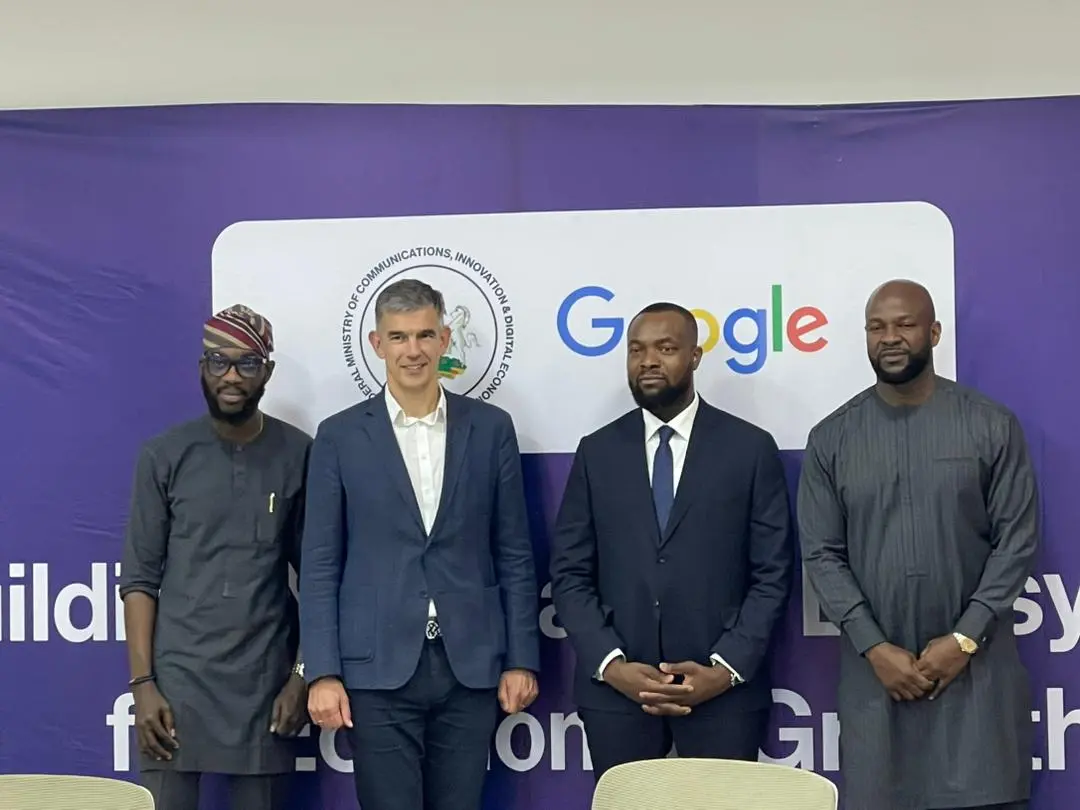
The Federal Government has also taken steps to strengthen the country’s AI ecosystem. Through partnerships with organisations such as Google, investments have been announced to support AI education, digital skills and research. Government officials have repeatedly stated that Nigeria should move beyond simply consuming foreign technologies to becoming a creator of innovative AI solutions.
Yet industry leaders believe the current pace is still too slow.
Many university graduates leave school without practical AI experience because curricula often fail to keep up with industry needs. Access to high-performance computing resources remains limited, while unreliable electricity and internet connectivity continue to slow innovation. Experts also warn that talented Nigerians frequently relocate abroad in search of better research opportunities and higher-paying jobs, creating a persistent brain drain.
Beyond infrastructure, there is also a growing need for stronger collaboration between universities, technology companies and policymakers. Employers increasingly want graduates who can solve real-world problems using AI rather than relying only on theoretical knowledge.
Back Story
The conversation around Nigeria’s AI future has gained momentum over the past few years as governments, global technology companies and development organisations recognise artificial intelligence as one of the defining technologies of this generation.
In 2024, Google.org committed funding to support AI talent development in Nigeria through programmes coordinated with the Federal Ministry of Communications, Innovation and Digital Economy. Since then, discussions around AI education, responsible governance and workforce development have intensified across the country.
Throughout 2025 and 2026, several reports and industry analyses argued that Africa’s biggest AI challenge is not a shortage of intelligent young people but a shortage of structured learning pathways, investment and infrastructure. Technology experts have repeatedly stressed that Africa must become a producer of AI solutions rather than remaining a consumer of technologies developed elsewhere.
According to Reuters, the International Monetary Fund has also projected that artificial intelligence could significantly boost Sub-Saharan Africa’s economy if countries improve electricity, internet access and digital skills. Without those investments, however, the region risks missing much of the economic value AI could generate over the next decade.
Also Read: Why Artificial Intelligence Is Making This One of the Most Important Eras for Teachers
What Nigeria Must Do Before 2030
If Nigeria truly wants to become Africa’s largest producer of AI talent, experts say several priorities cannot be ignored.
Education must evolve quickly. Artificial intelligence should become a practical component of secondary schools, universities and technical institutions, with greater emphasis on hands-on learning, research and industry partnerships.
Infrastructure also remains critical. Reliable electricity, affordable broadband, cloud computing resources and access to advanced computing equipment are essential for AI development. Without these foundations, many aspiring professionals will struggle to compete globally.
Equally important is retaining talent. Creating attractive career opportunities within Nigeria could reduce the loss of skilled professionals to foreign markets. Competitive salaries, research funding and stronger startup support could encourage more AI experts to build their careers at home.
Nigeria also has a unique opportunity to develop AI systems that understand African languages, cultures and local business challenges. Rather than simply adapting foreign technologies, local researchers and startups can create solutions tailored to agriculture, healthcare, education, financial services and governance across the continent.
The race to dominate artificial intelligence is no longer limited to countries with the biggest technology companies. It increasingly depends on who can develop, train and empower the largest pool of skilled professionals.
Nigeria already has many of the building blocks needed to lead Africa’s AI talent revolution. The coming years will determine whether the country transforms its youthful population into a globally competitive AI workforce or watches other nations seize the opportunity first. Success will depend less on bold promises and more on consistent investment in education, infrastructure, innovation and policies that allow Nigerian talent to thrive both locally and on the global stage.